


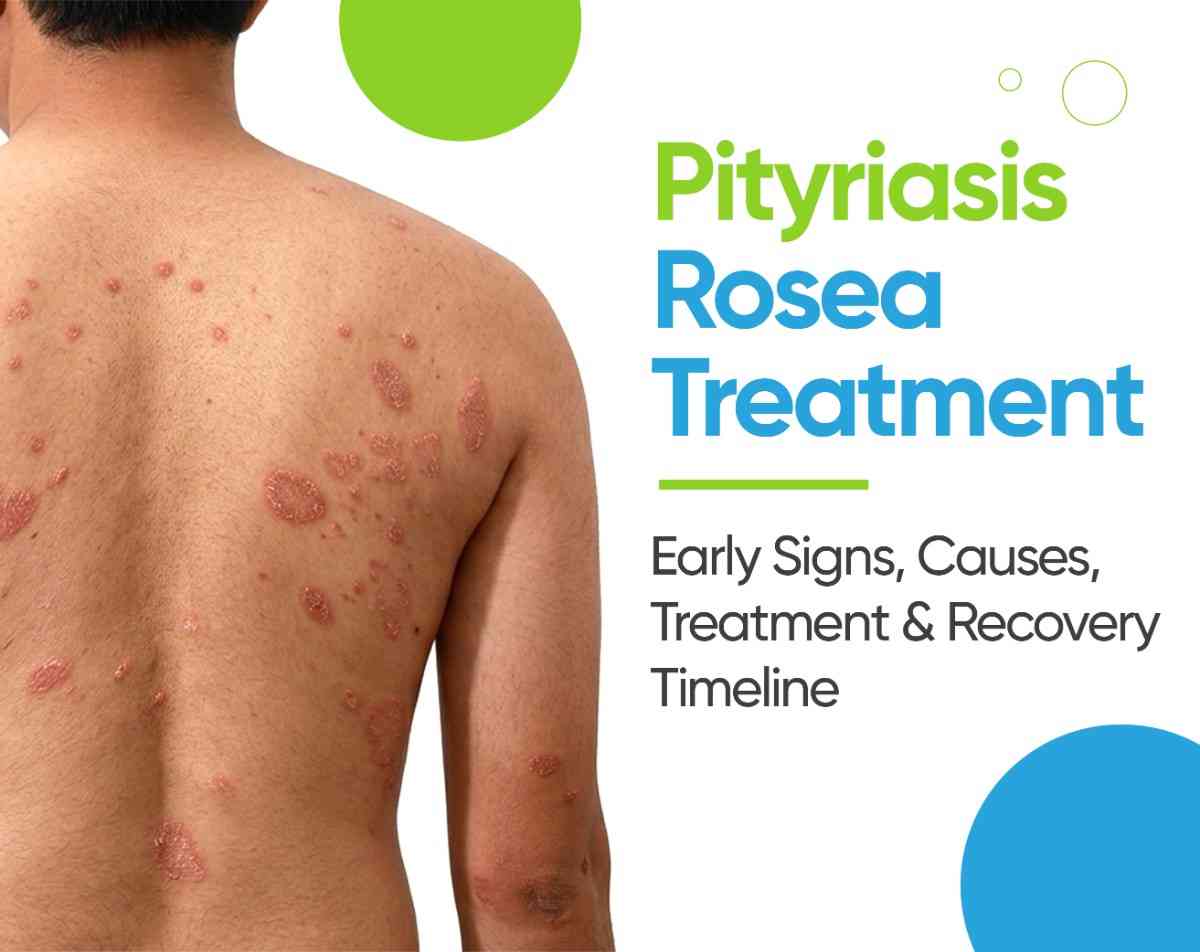
Waking up to an unexplained rash across your torso can be concerning. When a single oval patch appears on the skin, followed a week or two later by a widespread breakout across the chest, back, or abdomen, clinicians frequently diagnose pityriasis rosea.
This acute, self-limiting skin condition mainly affects adolescents and young adults between the ages of 10 and 35. While the sudden emergence of widespread spots can look dramatic, the condition is benign and typically resolves on its own without leaving long-term marks. Understanding the typical lifecycle of the rash, knowing how to soothe stubborn itching, and distinguishing it from other dermatological conditions can help you manage your recovery comfortably.
What Triggers Pityriasis Rosea and How Does It Progress?
While the precise cause of the eruption is still being studied, clinical evidence strongly points to a viral reactivation of human herpesviruses 6 and 7 (HHV-6 and HHV-7). It is important to note that despite its viral associations, the rash is not considered contagious and rarely spreads among household members or classmates.
Clinical Progression:
[Mild Prodromal Symptoms] ➔ [Herald Patch Appears] ➔ (7–14 Days) ➔ [Widespread Oval Exanthem] ➔ (4–10 Weeks) ➔ [Complete Resolution]
1. The Herald Patch
In most cases (60% to 80%), the condition starts with a single, prominent lesion called the herald patch.
- Appearance: A slightly elevated, round or oval patch measuring 2 to 10 centimeters across.
- Features: It usually has a salmon-pink or reddish center with a delicate, scaly inner border (a “collarette” scale). On darker skin tones, the patch may appear hyperpigmented, dark brown, or grayish.
- Common Sites: Usually found on the trunk, neck, or upper arms.
Mild systemic symptoms such as low-grade fever, fatigue, joint pain, or a sore throat may occur shortly before or during the herald patch stage.
2. The Secondary Exanthem (“Christmas Tree” Pattern)
Within 7 to 14 days following the initial patch, a broader crop of smaller oval spots breaks out across the torso, neck, and limbs. On the back, these lesions tend to align along natural skin cleavage lines (Langer’s lines), forming a distinct V-shaped or “Christmas tree” distribution.
Evidence-Based Management and Symptom Relief
Because pityriasis rosea is a self-limiting condition, medical treatment focuses on symptom management primarily controlling pruritus (itching) and preventing secondary epidermal irritation while the immune system naturally clears the rash. For most people, the rash clears within 4 to 10 weeks.
At-Home Soothing Measures
- Cool or Lukewarm Baths: Hot water dilates blood vessels in the skin, which can significantly intensify itching and redness. Stick to lukewarm water and consider adding colloidal oatmeal to soothe inflamed skin.
- Fragrance-Free Emollients: Applying plain, hypoallergenic moisturizers helps restore the skin barrier and reduces surface scaling.
- Gentle Skin Cleansers: Avoid harsh soaps or exfoliating scrubs that strip protective skin oils.
Over-the-Counter Options
- Topical Corticosteroids: Mild, low-potency hydrocortisone cream (1%) applied twice daily to itchy areas can help suppress local inflammation.
- Oral Antihistamines: Non-drowsy daytime antihistamines or sedating nighttime options (such as diphenhydramine) can assist if severe itching interferes with sleep.
- Calamine Lotion: Applying classic calamine or mentholated cooling lotions offers temporary localized relief.
Clinical and Prescription Interventions
When itching is intense or the rash persists longer than usual, a medical practitioner or dermatologist may consider targeted clinical therapies:
- Phototherapy (Narrowband UVB): Controlled light therapy administered in a clinic during the first week of the eruption can help lessen the intensity of the rash and reduce pruritus.
- Prescription Topical or Oral Therapies: In widespread or highly severe cases, short courses of mid-potency topical steroids or off-label oral acyclovir may be evaluated early in the disease course.
For a comprehensive clinical overview of diagnostic criteria and treatment pathways, patients can consult the guide on pityriasis rosea treatment by Dermpro to better understand individual care options.
Everyday Care: Best Practices vs. Pitfalls
Making smart skin-care choices during the active phase helps prevent flare-ups and secondary bacterial skin infections from scratching.
Recommended Actions:
- Wear Soft, Loose Clothing: Choose breathable, natural fabrics like cotton to minimize friction against hyper-reactive skin.
- Pat Dry Gently: After bathing, gently pat skin dry with a towel rather than rubbing vigorously.
- Keep Fingernails Trimmed: Keeping nails short prevents accidental skin breaks if you scratch during sleep.
Things to Avoid:
- Avoid Vigorous Exercise and Overheating: Strenuous workouts that cause heavy sweating often cause temporary itching flare-ups.
- Avoid Unverified Topical Remedies: Applying undiluted essential oils, tea tree oil, rubbing alcohol, or harsh astringents can burn the compromised skin barrier.
- Avoid Direct Sunburn: While mild, indirect sunlight can sometimes help fade lesions, getting a sunburn will aggravate skin inflammation.
Frequently Asked Questions
Is pityriasis rosea contagious?
No. The condition is not easily passed between individuals. Isolation, staying home from work, or keeping children out of school is not necessary.
Will the rash leave permanent marks or scarring?
In almost all cases, the rash resolves without scarring. However, individuals with deeper skin tones may experience temporary post-inflammatory hyperpigmentation (dark spots) or hypopigmentation (light spots), which typically fade gradually over several months.
Can pityriasis rosea recur?
Recurrence is rare. More than 95% of individuals who experience an episode develop lasting immunity and will never have the rash again. If similar symptoms recur, consult a doctor to evaluate alternative diagnoses.
When should I seek a medical evaluation?
You should see a doctor or dermatologist if the rash lasts longer than 12 weeks, if the itching is unmanageable with over-the-counter care, if lesions spread to your palms or soles, or if you notice signs of secondary infection such as pus, increased warmth, or severe pain.
Summary
Pityriasis rosea is a temporary, non-contagious skin eruption that requires patience as the body naturally clears the underlying viral trigger. By recognizing the initial herald patch, avoiding hot water and abrasive skin products, and using targeted topical soothing agents, you can comfortably manage symptoms until your skin fully restores its normal appearance