






Veterinary surgical procedures often involve delicate tissues and blood vessels that require careful handling. Maintaining a clear surgical field, controlling bleeding, and ensuring sterile instruments are essential elements of a successful procedure. Modern veterinary clinics rely on advanced surgical technologies and efficient sterilization systems to support these goals.
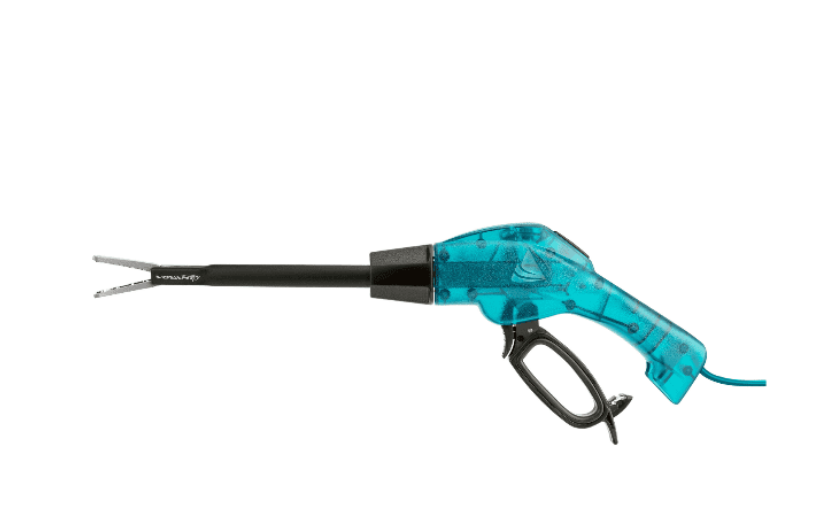
Vessel sealing tools are commonly used in veterinary operations where blood vessels must be closed securely during tissue dissection. These tools allow veterinary surgeons to work with precision while minimizing interruptions during procedures. Technologies such as Voyant open fusion are designed to support effective vessel sealing during open surgical procedures.
Importance of Vessel Sealing in Veterinary Procedures
Many veterinary surgeries require the management of blood vessels during tissue separation. Without proper vessel control, surgical procedures can become more difficult due to bleeding that may obstruct visibility.
Vessel sealing technologies help address this challenge by providing a reliable method for closing blood vessels during surgery. These tools apply controlled energy and pressure to seal vessels effectively, allowing surgeons to continue the procedure without frequent interruptions.
In open surgical procedures involving animals, accurate vessel sealing helps reduce complications and supports smoother operations. Advanced technologies such as Voyant open fusion are used to assist surgeons in maintaining precise control over tissue and vessel management.
The Role of Modern Veterinary Surgical Equipment
Veterinary surgical equipment has advanced significantly in recent years. Clinics now use specialized tools designed to support precision and efficiency during operations.
These tools include instruments used for tissue cutting, vessel sealing, visualization, and surgical lighting. Each component plays an important role in ensuring that veterinary procedures are performed safely.
Sterilization as a Core Element of Veterinary Surgery
Sterilization is essential for protecting animal patients during surgery. Surgical instruments must be free from bacteria and contaminants before entering the operating room.
Veterinary clinics use specialized sterilization systems designed to process surgical tools quickly and effectively. These systems help ensure that instruments are safe for use while minimizing delays between procedures.
Compact Sterilization Kits for Single Instruments
Veterinary clinics often require the ability to sterilize a single instrument quickly. Compact sterilization kits are designed specifically for this purpose.
These small kits typically include pouches designed to hold individual surgical tools. The sterilization process for these kits is very short, allowing an instrument to move from the start of sterilization to surgical use within minutes.
Medium Capacity Sterilization for Multiple Instruments
Some procedures require several instruments to be sterilized together. Medium-sized sterilization kits are designed to handle this requirement.
These kits include larger pouches that can hold multiple surgical tools at the same time. The sterilization cycle remains relatively short, allowing veterinary teams to prepare several instruments without extended delays.
Large Sterilization Systems for Full Surgical Equipment Sets
Veterinary surgical centers often rely on complete sets of instruments during operations. Larger sterilization systems are designed to handle entire cases of surgical equipment.
These systems can process multiple tools simultaneously, including vessel sealing instruments, endoscopic scopes, and surgical headlamps. Even with a full equipment case, the sterilization cycle can be completed in a relatively short time.
Advantages of Rapid Sterilization Systems in Veterinary Clinics
Fast sterilization systems provide several benefits for veterinary practices.
Faster Surgical Preparation
Quick sterilization cycles allow veterinary teams to prepare instruments without long waiting periods. Tools can be ready for use within minutes after sterilization begins.
Efficient Equipment Management
When instruments can be sterilized quickly, clinics can reuse them sooner. This reduces the need for large inventories of duplicate equipment.
Reliable Sterility for Surgical Tools
Proper sterilization helps maintain safe operating conditions by preventing contamination of surgical instruments.
Support for Advanced Surgical Devices
Rapid sterilization systems can process specialized equipment such as vessel sealing tools, scopes, and lighting devices. This ensures that all essential surgical tools remain ready for use.
These advantages contribute to a more organized surgical environment and help veterinary teams focus on patient care.
Training and Support for Veterinary Teams
Introducing new surgical or sterilization equipment requires proper training. Veterinary staff must understand how to operate the systems and prepare instruments correctly.
Hands-on training helps ensure that all team members are comfortable using the equipment. Training sessions often include instructions on loading sterilization kits, sealing pouches, and running sterilization cycles.
Improving Surgical Workflow in Veterinary Clinics
Efficient surgical workflows depend on several factors. Reliable equipment, proper sterilization, and well-trained staff all contribute to successful veterinary procedures.
When surgical instruments are sterilized quickly and organized properly, veterinary teams can prepare operating rooms without delays. This allows surgeons to focus on performing procedures with precision.
Conclusion
Veterinary surgery requires attention to detail, reliable tools, and strict hygiene practices. Equipment used in surgical procedures must function accurately while remaining completely sterile.
Advanced vessel sealing technologies assist surgeons in managing tissues and blood vessels during operations. At the same time, modern sterilization systems allow clinics to prepare instruments quickly and maintain consistent surgical readiness.