







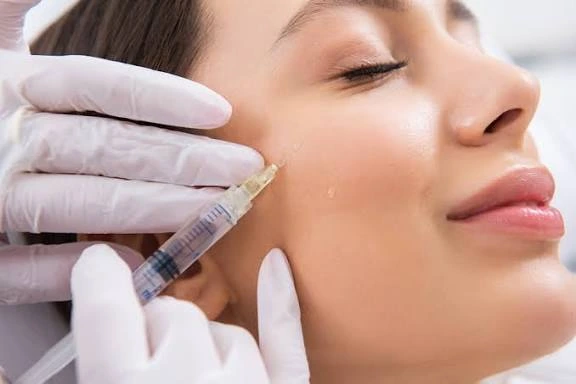
Facial features play an important role in creating a balanced and attractive appearance. However, some individuals naturally have flat cheeks or notice a loss of cheek volume as they age. Flat cheeks can make the middle portion of the face appear less defined, affecting overall facial proportions. Cheek fillers in Abu Dhabi offer a non-surgical aesthetic treatment designed to enhance cheek volume, improve contours, and create a more balanced facial appearance.
Cheek fillers are commonly used to add volume to specific areas of the cheeks. They can help create a fuller appearance while enhancing the natural structure of the face. Understanding how this treatment works, what improvements it can provide, and who may benefit from it can help individuals make informed decisions about their facial aesthetic goals.
Understanding Flat Cheeks and Their Causes
Flat cheeks refer to a facial appearance in which the cheek area lacks noticeable projection or natural fullness. Some people are born with less prominent cheekbones, while others experience changes in facial volume over time.
Genetics is one of the main factors that influence cheek shape. Natural bone structure, fat distribution, and facial proportions all contribute to how prominent or defined the cheeks appear. Individuals with naturally flatter facial structures may want additional cheek definition to create a more sculpted appearance.
Age-related volume changes can also contribute to flatter cheeks. As the face matures, natural fat distribution and skin elasticity change. This can make the cheek area appear less full than before.
Lifestyle factors and individual facial characteristics may also influence the appearance of the midface. Regardless of the underlying reason, cheek enhancement treatments can provide an option for individuals seeking improved facial contours.
How Do Cheek Fillers Work for Flat Cheeks?
Cheek fillers are injectable aesthetic treatments designed to restore or add volume to targeted areas of the cheeks. Most commonly, these treatments use hyaluronic acid-based formulations, which help attract and retain moisture within the treated area.
The treatment focuses on adding volume to selected cheek regions to improve projection and definition. By carefully placing filler in appropriate areas, the cheeks can appear fuller and more prominent.
For individuals with flat cheeks, the objective is generally to enhance the natural cheek structure rather than create an exaggerated appearance. The amount of filler and its placement depend on individual facial anatomy, existing volume, and desired results.
A professional assessment helps determine which areas may benefit from enhancement. This approach allows treatment planning to consider the relationship between the cheeks, jawline, chin, and other facial features.
Restoring Volume to Naturally Flat Cheeks
One of the main benefits of cheek fillers is their ability to add fullness to areas that naturally lack volume. Flat cheeks can sometimes make the face appear narrow or less defined, particularly around the middle facial region.
Cheek fillers can provide additional projection, helping create a fuller cheek appearance. This enhancement may make the facial structure look more balanced without requiring surgical intervention.
Individuals with naturally shallow cheek contours may appreciate the ability to achieve a more noticeable cheek shape through targeted volume enhancement.
The treatment can also be adjusted according to individual preferences. Some people prefer subtle fullness, while others may want more visible cheek definition. A personalized approach helps maintain facial harmony.
Improving Facial Contours and Cheekbone Definition
Well-defined cheekbones contribute to the overall structure of the face. When the cheeks appear flat, the transition between the midface and lower face may look less prominent.
Cheek fillers can help enhance cheekbone projection and create more noticeable contours. Adding volume to selected areas may improve the appearance of the upper cheek region and create a more sculpted facial profile.
This improvement can be particularly appealing to individuals who want their cheekbones to appear more defined while maintaining natural-looking proportions.
The treatment can also complement other facial features. Balanced cheek volume may create a smoother transition between the temples, cheeks, and lower face, contributing to a more harmonious appearance.
Creating a Fuller and More Youthful Appearance
Facial fullness is often associated with youthful-looking features. As natural volume changes occur, the cheeks may gradually lose their rounded appearance.
Cheek fillers can help restore some of this fullness by adding volume to areas that appear hollow or less prominent. For individuals experiencing age-related cheek volume loss, this treatment may create a refreshed facial appearance.
The goal is not necessarily to make the face look significantly different. Instead, carefully planned enhancement can help restore facial proportions and improve the appearance of the midface.
A balanced amount of filler can create subtle improvements while preserving the individual’s natural facial characteristics.
Can Cheek Fillers Improve Facial Symmetry?
Facial symmetry is an important consideration in aesthetic treatments. Although most individuals have some natural differences between the left and right sides of their faces, noticeable variations in cheek volume may affect overall facial balance.
Cheek fillers can help address certain volume-related differences by enhancing specific areas of the cheeks. When one cheek appears flatter or less prominent, carefully planned filler placement may help create a more balanced appearance.
However, facial asymmetry can have different causes, including differences in bone structure and natural muscle activity. Fillers may improve volume-related concerns but cannot correct every type of asymmetry.
An individual assessment helps establish realistic expectations and determine whether cheek enhancement is an appropriate option.
What Happens During Cheek Filler Treatment?
The treatment process generally begins with an assessment of facial structure and aesthetic preferences. The cheek area is examined to understand existing volume, natural contours, and the areas that may benefit from enhancement.
The treatment plan is then developed according to individual requirements. The selected filler is administered through carefully planned injections into targeted cheek areas.
The procedure is generally performed without surgical incisions. Treatment duration can vary depending on the amount of enhancement required and the individual’s treatment plan.
After the procedure, the treated area is assessed to understand how the added volume contributes to overall facial proportions. Following the recommended aftercare instructions and attending any suggested review appointments can help support the treatment process.
How Long Do Cheek Filler Results Last?
The duration of cheek filler results depends on several factors, including the type of filler used, the amount administered, individual metabolism, and the treatment area.
Hyaluronic acid-based fillers are gradually broken down by the body over time. As a result, the enhancement is temporary rather than permanent.
Some individuals may notice that their cheek volume remains visible for several months or longer, depending on their specific treatment. Periodic professional assessments can help determine whether additional treatment is appropriate.
Understanding the temporary nature of fillers helps individuals establish realistic expectations before choosing cheek enhancement.
Who May Consider Cheek Fillers in Abu Dhabi?
Cheek fillers in Abu Dhabi may be considered by adults who want to improve cheek projection, restore lost facial volume, or achieve more defined facial contours.
Individuals with naturally flat cheeks may explore this treatment to create a fuller appearance. Those experiencing age-related volume loss may also consider it to refresh their midface.
People seeking subtle facial enhancement without surgical procedures may find injectable fillers suitable for their aesthetic preferences.
However, suitability depends on individual facial anatomy, medical history, skin condition, and treatment expectations. A qualified professional can assess these factors and recommend an appropriate approach.
Maintaining Natural-Looking Cheek Enhancement
Natural-looking results depend on selecting an appropriate treatment approach and respecting the individual’s facial proportions. Adding excessive volume may create an appearance that does not complement the rest of the face.
A balanced treatment plan focuses on enhancing the existing cheek structure rather than completely changing facial identity.
The relationship between cheek volume, chin projection, jawline definition, and overall facial width should be considered during treatment planning.
Gradual and carefully evaluated enhancement can help achieve a more harmonious result. Clear communication about personal preferences is also important when discussing the desired outcome.
Conclusion
Flat cheeks can influence facial proportions and reduce the natural definition of the midface. Cheek fillers in Abu Dhabi offer a non-surgical option for individuals who want to add volume, enhance cheekbone projection, and create more balanced facial contours.
By targeting specific areas of the cheeks, this treatment can help improve facial fullness, address certain volume-related asymmetries, and create a refreshed appearance. The final outcome depends on individual anatomy, filler selection, placement, and treatment planning.
Understanding the procedure and having realistic expectations are important steps when considering cheek enhancement. With an individualized approach, cheek fillers can help improve facial definition while preserving natural-looking features.
Frequently Asked Questions
Can cheek fillers make naturally flat cheeks look fuller?
Yes, cheek fillers can add volume to naturally flat cheeks. They are designed to enhance cheek projection and create a fuller appearance while maintaining facial proportions.
How do cheek fillers improve facial appearance?
Cheek fillers can improve facial appearance by adding volume, enhancing cheekbone definition, and creating smoother facial contours. They may also help restore fullness in areas affected by age-related volume loss.
Are cheek fillers suitable for people with naturally flat cheekbones?
Yes, individuals with naturally flat cheekbones may consider cheek fillers. A professional assessment helps determine the appropriate placement and amount of filler according to their facial structure.
How long does cheek filler treatment take?
The treatment duration varies depending on the individual’s requirements and the areas being treated. The complete appointment may also include facial assessment and treatment planning.
Do cheek fillers provide immediate volume?
Yes, volume enhancement is generally noticeable immediately after treatment. The appearance may continue to settle as the treated area adjusts over time.
Can cheek fillers improve facial symmetry?
Cheek fillers may help improve certain types of facial asymmetry caused by differences in cheek volume. However, they cannot correct every structural difference.
Are cheek fillers a surgical treatment?
No, cheek fillers are generally non-surgical injectable treatments. They add volume to targeted areas without requiring surgical incisions.
Can cheek fillers create natural-looking cheekbones?
Yes, carefully planned filler placement can enhance cheekbone projection and create more defined contours. The treatment approach should complement the individual’s natural facial features.
How long do cheek fillers last?
Results vary according to the filler formulation, individual metabolism, and treatment area. Many hyaluronic acid cheek fillers can last several months or longer.
What should be considered before getting cheek fillers?
Individuals should consider their facial structure, aesthetic goals, treatment suitability, and desired level of enhancement. A professional consultation helps establish an appropriate treatment plan and realistic expectations.