






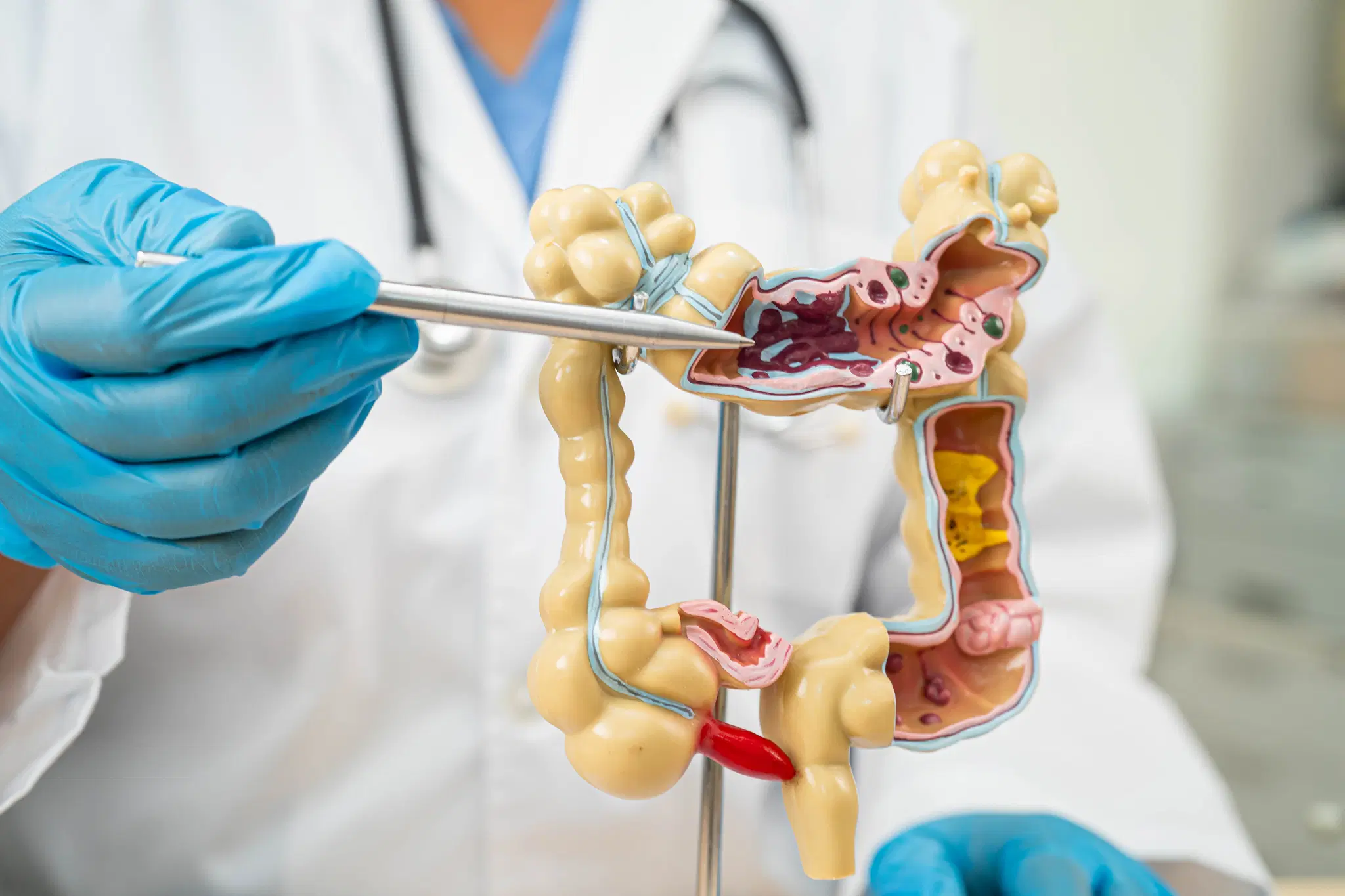
Piles, medically known as haemorrhoids, are a common condition that affects people of different age groups. They develop when the blood vessels in and around the rectum and anus become swollen, sometimes causing discomfort, itching, pain, and bleeding during bowel movements. Although piles are common, many people hesitate to discuss their symptoms or seek medical attention because of embarrassment.
Understanding the available options for piles treatment in Navi Mumbai can help patients take timely steps towards managing the condition. Depending on its severity, treatment may involve dietary changes, medication, minimally invasive procedures, or surgery.
Consulting an experienced general surgeon is important when symptoms persist, become painful, or interfere with daily activities. A proper diagnosis helps determine whether the symptoms are caused by piles or another anorectal condition that requires different treatment.
What Are Piles (Haemorrhoids)?
Piles are swollen and enlarged blood vessels located inside the rectum or around the anus. These blood vessels are part of the normal anatomy, but they can become enlarged due to increased pressure in the lower rectal region.
Piles are generally classified into two main types.
Internal piles: These develop inside the rectum. They are often painless, particularly during the early stages, but may cause bright red bleeding during bowel movements. In more advanced cases, they can protrude through the anal opening.
External piles: These develop beneath the skin around the anus. They may cause itching, swelling, irritation, and discomfort. If a blood clot forms inside an external pile, it can become particularly painful.
The symptoms and treatment requirements vary from person to person. Therefore, an examination by a qualified specialist is important before starting treatment.
Common Causes and Risk Factors of Piles
Piles usually develop due to increased pressure on the blood vessels in the lower rectum. Several lifestyle habits, health conditions, and physical factors can contribute to this pressure.
Chronic constipation: Passing hard stools and repeatedly straining during bowel movements can put pressure on the anal blood vessels.
Low-fibre diet: Insufficient fibre intake may lead to constipation and make bowel movements difficult.
Prolonged sitting: Spending long periods sitting, particularly on the toilet, may increase pressure around the anal region.
Pregnancy: Hormonal changes, increased abdominal pressure, and constipation during pregnancy can contribute to the development of piles.
Obesity: Excess body weight may increase pressure within the abdominal and pelvic regions.
Ageing: The supporting tissues around the rectum and anus can weaken with age, making piles more likely.
Frequent straining: Repeatedly straining during bowel movements or lifting heavy objects while holding one’s breath may contribute to increased pressure.
Identifying these risk factors can help patients make lifestyle changes that support digestive health and reduce the likelihood of recurring symptoms.
Symptoms That May Indicate Piles
The symptoms of piles depend on their type and severity. Some people experience mild irritation, while others may have persistent discomfort or bleeding.
Common symptoms include:
- Bright red blood during or after passing stools.
- Itching or irritation around the anus.
- Pain or discomfort while sitting.
- Swelling or a lump near the anal opening.
- A feeling that the bowel has not emptied completely.
- Mucus discharge or irritation around the anal area.
- Protrusion of tissue through the anus during bowel movements.
Rectal bleeding should never automatically be assumed to be caused by piles. Anal fissures, inflammatory bowel conditions, polyps, and colorectal diseases can also cause bleeding. Anyone experiencing repeated or unexplained bleeding should seek medical assessment.
Different Types and Grades of Piles
Internal piles are commonly classified into four grades according to how much they protrude from the anal opening.
Grade 1: The piles remain inside the rectum and do not protrude. Bleeding may occur, but there is generally no visible prolapse.
Grade 2: The piles protrude during bowel movements but return inside the anus naturally.
Grade 3: The piles protrude during bowel movements and may need to be pushed back manually.
Grade 4: The piles remain outside the anal opening and cannot be pushed back easily. They may cause significant discomfort and require specialist assessment.
Understanding the grade helps a surgeon determine the appropriate treatment. However, treatment decisions also depend on symptoms, the patient’s medical history, and whether other anorectal conditions are present.
How Are Piles Diagnosed?
An accurate diagnosis is the first step towards effective treatment. A general surgeon or proctology specialist may begin by discussing the patient’s symptoms, medical history, bowel habits, and previous treatments.
The examination may include a visual inspection of the anal region and a digital rectal examination, depending on the patient’s condition. An anoscopy may also be recommended to examine the anal canal and identify internal piles.
In certain cases, additional investigations such as a colonoscopy may be necessary, particularly when there is unexplained bleeding, a change in bowel habits, or other concerning symptoms.
The purpose of these assessments is to confirm the diagnosis, determine the severity of the condition, and rule out other possible causes of symptoms.
Piles Treatment Options in Navi Mumbai
Treatment for piles depends on the type, grade, severity, and symptoms. Not every patient requires surgery. Many mild cases can improve with lifestyle modifications and medical management, while persistent or advanced piles may require a procedure.
1. Dietary and Lifestyle Changes
Lifestyle changes are often recommended as an initial approach, particularly for mild piles and constipation-related symptoms.
Eating fibre-rich foods such as fruits, vegetables, whole grains, and pulses can help soften stools and make bowel movements easier. Drinking adequate water throughout the day also supports regular bowel movements.
Patients should avoid excessive straining and should not spend unnecessary time sitting on the toilet. Regular physical activity can help support digestive health and reduce constipation.
Warm sitz baths may provide temporary relief from irritation and discomfort around the anal region.
2. Medication and Non-Surgical Management
Depending on the symptoms, a doctor may recommend medications to manage pain, itching, swelling, or constipation. Stool softeners and fibre supplements may also be advised when necessary.
Certain topical preparations can provide temporary symptom relief. However, they do not necessarily eliminate the underlying piles.
Patients should avoid prolonged self-medication, particularly with steroid-containing creams, without medical advice. Persistent bleeding, pain, or swelling requires professional evaluation.
3. Minimally Invasive Procedures
When lifestyle changes and medication do not provide sufficient relief, certain minimally invasive procedures may be considered.
Rubber band ligation is one option for selected internal piles. It involves placing a small band around the base of the haemorrhoid to restrict its blood supply, causing the treated tissue to shrink and fall away.
Sclerotherapy involves injecting a specialised solution into the haemorrhoidal tissue to reduce its size. Other office-based procedures may also be suitable depending on the condition.
The choice of procedure depends on the grade of piles, symptoms, and the specialist’s assessment.
4. Surgical Treatment for Advanced Piles
Surgery may be recommended when piles are severe, repeatedly symptomatic, or do not respond adequately to other treatments.
Haemorrhoidectomy is a surgical procedure in which the affected haemorrhoidal tissue is removed. It may be considered for selected patients with advanced or complicated piles.
Other surgical approaches may be suitable depending on the patient’s condition and the surgeon’s evaluation. Patients should discuss the expected recovery period, possible complications, and long-term outcomes before choosing a procedure.
5. Laser Treatment for Piles
Laser-based techniques are available for selected patients with haemorrhoids. Depending on the procedure, laser energy may be used to treat the affected tissue or reduce its blood supply.
Some laser procedures may involve less tissue disruption and offer certain recovery advantages in suitable cases. However, laser treatment is not automatically the best option for everyone.
The appropriate approach depends on the type and grade of piles, associated conditions, clinical findings, and the surgeon’s experience. Patients should understand the benefits, limitations, costs, and possible risks before deciding on treatment.
When Should You Consult a General Surgeon?
Occasional discomfort may improve with dietary and lifestyle changes, but certain symptoms should not be ignored.
Patients should consult a specialist if they experience repeated rectal bleeding, persistent itching, painful swelling, a lump around the anus, difficulty passing stools, or symptoms that continue despite initial treatment.
Severe anal pain, heavy bleeding, dizziness, fever, or rapidly worsening swelling requires prompt medical attention.
Early consultation can help identify the underlying condition and prevent patients from relying on unsuitable home remedies or repeated self-medication.
Choosing the Right Specialist for Piles Treatment in Navi Mumbai
Selecting an experienced specialist is an important part of managing piles. Patients should look for a qualified general surgeon with relevant experience in proctology and anorectal conditions.
A specialist should be able to explain the diagnosis, discuss available treatment options, and recommend an approach based on the patient’s individual needs. It is also useful to understand the surgeon’s experience with non-surgical procedures, minimally invasive techniques, and surgical management.
Patients should feel comfortable discussing symptoms that may otherwise seem embarrassing. Clear communication about treatment, recovery, follow-up appointments, and possible complications helps them make informed decisions.
When searching for the best piles doctor in Navi Mumbai, it is important to consider professional qualifications, relevant experience, and the ability to provide appropriate treatment guidance rather than relying only on online reviews.
Recommended Specialist for Piles Treatment in Navi Mumbai – Dr. Abhijit Bagul
Dr. Abhijit Bagul is a general, gastrointestinal, and laparoscopic surgeon in Navi Mumbai with over 20 years of experience in surgical care. His areas of expertise include general surgery, laparoscopic procedures, hernia treatment, gastrointestinal conditions, and proctology.
Patients looking for piles treatment in Navi Mumbai may consider consulting Dr. Abhijit Bagul for an assessment of their symptoms and guidance regarding suitable treatment options. His proctology experience also includes the evaluation and management of conditions such as piles, anal fissures, and fistulas.
Treatment recommendations depend on the patient’s diagnosis and the severity of the condition. During a consultation, patients can discuss their symptoms, understand whether they have internal or external piles, and explore appropriate medical or surgical management.
For individuals experiencing recurring bleeding, discomfort, or other anorectal symptoms, consulting an experienced general surgeon can help clarify the cause and identify the next steps.
To learn more about his surgical services and consultation details, visit the official website:
https://www.drabhijitbagul.com/
Conclusion
Piles are a common anorectal condition, but persistent symptoms should not be ignored. Early diagnosis can help patients understand the severity of the problem and explore appropriate treatment options, ranging from dietary changes and medication to minimally invasive procedures and surgery.
The most suitable treatment depends on the patient’s symptoms, type and grade of piles, medical history, and overall health. Consulting an experienced specialist can help ensure that the diagnosis is accurate and the treatment plan is appropriate.
For people exploring piles treatment in Navi Mumbai, Dr. Abhijit Bagul is one specialist they can consider for professional evaluation and guidance. Seeking timely medical advice can help patients manage symptoms and make informed decisions about their health.
Frequently Asked Questions
1. Which doctor should I consult for piles treatment in Navi Mumbai?
You should consult a qualified general surgeon or proctology specialist who has experience evaluating and treating anorectal conditions. The specialist can confirm whether your symptoms are caused by piles and recommend suitable treatment.
2. Can piles be treated without surgery?
Yes. Many mild cases can be managed through dietary changes, increased fibre intake, adequate hydration, medication, and other conservative measures. Some patients may also benefit from minimally invasive procedures. Surgery is generally considered when symptoms are advanced or persistent.
3. Is laser treatment effective for piles?
Laser-based procedures may be suitable for selected patients, depending on the type and severity of haemorrhoids. The procedure’s benefits and limitations should be discussed with an experienced surgeon before making a decision.
4. What are the early symptoms of piles?
Early symptoms may include itching around the anus, mild discomfort during bowel movements, bright red bleeding, and swelling near the anal opening. However, these symptoms can also occur with other conditions, so proper diagnosis is important.
5. Can piles return after treatment?
Yes. Piles can recur after treatment, particularly if constipation, straining, and other contributing factors continue. Maintaining a fibre-rich diet, drinking enough water, exercising regularly, and avoiding excessive straining can help reduce the risk of recurrence.
6. When should I seek medical attention for piles?
Consult a doctor if you experience repeated bleeding, persistent pain, swelling, or symptoms that do not improve. Heavy bleeding, severe pain, dizziness, or fever requires prompt medical attention.