





Introduction
Maintaining a youthful and refreshed facial appearance is a common aesthetic goal, particularly when the skin begins to lose firmness and definition. Changes in skin elasticity, reduced collagen production, and gradual tissue relaxation can contribute to sagging around the cheeks, jawline, chin, and neck. HIFU treatment in Abu Dhabi has gained attention as a non-surgical facial lifting approach that uses focused ultrasound energy to target deeper layers of the skin. Understanding how this treatment works, what improvements it may offer, and who may benefit from it can help individuals decide whether it is worth considering for their facial rejuvenation goals.
Understanding HIFU Treatment for Facial Lifting
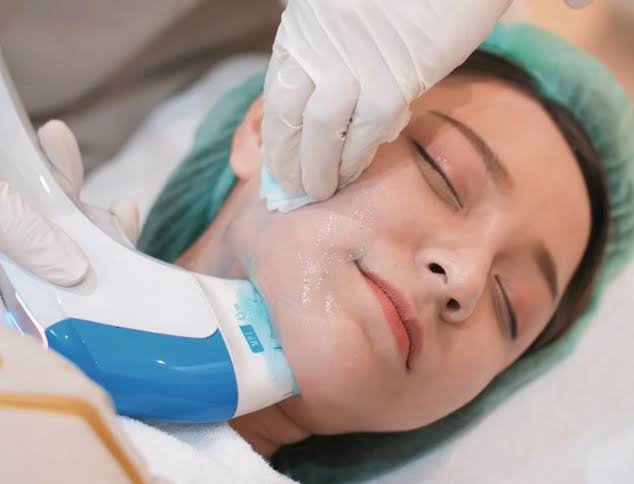
High-Intensity Focused Ultrasound, commonly known as HIFU, is a non-surgical aesthetic treatment designed to support skin tightening and facial lifting. It uses concentrated ultrasound energy to reach selected layers beneath the skin’s surface. The energy creates controlled thermal stimulation in targeted tissues, encouraging the body’s natural collagen production process.
Collagen is an important structural protein that helps maintain skin firmness, elasticity, and support. As collagen levels gradually change with age, the skin may become less firm and facial contours can appear softer. HIFU aims to stimulate collagen-related responses that may improve the appearance of skin firmness over time.
How HIFU Supports Facial Lifting
One of the main reasons people consider HIFU is its ability to target deeper tissue layers without requiring surgical incisions. The focused ultrasound energy is delivered to specific depths, allowing the treatment to address areas associated with facial support and skin firmness.
This process may encourage gradual tightening and create a more lifted appearance. Rather than producing an immediate surgical-style change, improvements generally develop as collagen remodeling takes place. The gradual nature of these changes can be appealing to individuals seeking subtle facial rejuvenation.
Improving Skin Firmness and Elasticity
Skin firmness plays an important role in maintaining a youthful facial appearance. When collagen production decreases, the skin may lose some of its natural support, resulting in a softer or less defined appearance.
HIFU treatment is designed to stimulate collagen activity in targeted areas. As the skin’s supporting structure responds over time, some individuals may notice improvements in firmness and elasticity. These changes can contribute to a smoother and more refreshed facial appearance.
Enhancing Jawline Definition
The jawline is an important feature of overall facial balance. With gradual skin laxity, the lower face may appear less defined, and the transition between the jawline and neck can become softer.
HIFU can target selected areas around the lower face to support skin tightening. Improved firmness may help create a more defined appearance along the jawline. The degree of visible improvement depends on the individual’s skin condition, facial structure, and the extent of existing laxity.
Addressing Sagging Cheeks
Changes in cheek firmness can influence the appearance of the entire face. When the supporting tissues become less firm, the cheeks may appear lower, contributing to a tired or aged appearance.
HIFU may help improve the appearance of mild cheek laxity by stimulating collagen production in targeted tissue layers. This can support a firmer-looking facial contour while maintaining the individual’s natural features.
Supporting Chin and Neck Contours
The chin and neck areas contribute significantly to the overall facial profile. Loose skin beneath the chin or along the upper neck can make the lower face appear less defined.
Depending on the treatment plan and individual suitability, HIFU may be used to target selected areas around the chin and neck. The aim is to encourage tissue firmness and improve the appearance of the transition between the lower face and neck.
Why Collagen Stimulation Matters
Collagen provides structural support to the skin and contributes to its firmness and flexibility. Natural collagen production changes with age, which can gradually affect facial contours and skin texture.
HIFU uses focused ultrasound energy to create controlled thermal stimulation at selected depths. This process is intended to activate the body’s natural collagen response. Over time, collagen remodeling may contribute to improvements in skin firmness and the overall appearance of facial lifting.
What Makes HIFU Different from Surgical Facelifting?
HIFU and surgical facelifting are different approaches to facial rejuvenation. HIFU is a non-surgical treatment that uses focused ultrasound energy to support gradual skin tightening. Surgical facelifting involves repositioning and adjusting facial tissues through a surgical procedure.
HIFU may be considered by individuals with mild to moderate skin laxity who prefer a non-surgical approach. However, it does not provide the same level of tissue repositioning as surgery. Understanding this distinction helps establish realistic expectations about the potential results.
Who May Consider HIFU Treatment?
HIFU may be suitable for individuals experiencing early signs of facial ageing, including mild skin laxity, reduced jawline definition, and less firm cheek contours. People who prefer a non-surgical approach to facial rejuvenation may also consider this option.
Individual suitability depends on skin condition, facial anatomy, treatment goals, and the degree of tissue laxity. A professional assessment can help determine whether HIFU is appropriate or whether another approach may better address specific concerns.
When Can Facial Lifting Results Become Noticeable?
HIFU is generally associated with gradual rather than immediate improvements. Some individuals may notice an initial feeling of firmness, while more visible changes can develop over the following weeks and months as collagen remodeling progresses.
The timeline varies according to individual collagen activity, skin characteristics, and the treatment approach. Patience is important because the intended improvement develops naturally rather than appearing as an instant transformation.
Factors That Influence HIFU Results
Several factors can influence the outcome of HIFU treatment. Skin elasticity, age-related changes, the amount of facial laxity, and the condition of underlying tissues all play a role.
The treatment area and depth of ultrasound energy are also important considerations. A personalized approach helps ensure that the selected areas correspond with the individual’s facial structure and aesthetic goals.
Is HIFU Worth Considering for Facial Rejuvenation?
HIFU may be worth considering for individuals who want to improve mild skin laxity, support collagen production, and achieve a firmer-looking facial appearance without undergoing surgery. Its ability to target selected tissue layers makes it an option for people interested in gradual facial contour refinement.
However, the treatment is not equally suitable for every concern. Individuals with significant sagging or extensive tissue changes may require a different approach to achieve their desired appearance. Understanding the treatment’s capabilities and limitations is essential when making an informed decision.
Maintaining Natural Facial Features
A successful facial rejuvenation approach should complement natural facial proportions rather than create an artificial appearance. HIFU focuses on supporting the skin’s existing structure through targeted ultrasound stimulation.
The objective is generally to improve firmness and definition while preserving the individual’s natural facial characteristics. Treatment planning should consider the cheeks, jawline, chin, and neck as connected areas that contribute to overall facial balance.
Conclusion
HIFU treatment is worth considering for individuals seeking a non-surgical approach to facial lifting and skin tightening. By delivering focused ultrasound energy into selected tissue layers, it aims to stimulate collagen production and gradually improve skin firmness. Potential improvements include better jawline definition, firmer-looking cheeks, and smoother facial contours. The suitability and extent of results depend on individual skin characteristics, facial anatomy, and the degree of skin laxity. A professional assessment can help determine whether HIFU aligns with personal facial rejuvenation goals.
Frequently Asked Questions
Is HIFU treatment effective for facial lifting?
HIFU may improve mild to moderate skin laxity by stimulating collagen production in targeted tissue layers, supporting a firmer and more lifted facial appearance.
Can HIFU improve jawline definition?
Yes, HIFU may help improve the appearance of jawline definition by targeting selected areas around the lower face and supporting skin tightening.
Does HIFU help with sagging cheeks?
HIFU may support improved cheek firmness by encouraging collagen production, particularly when the concern involves mild skin laxity.
How long does it take to see HIFU facial lifting results?
Results generally develop gradually over several weeks and months as collagen remodeling takes place. The timeline varies between individuals.
Is HIFU a non-surgical facial lifting treatment?
Yes, HIFU is a non-surgical approach that uses focused ultrasound energy to target deeper tissue layers without surgical incisions.
Can HIFU treatment improve the appearance of the neck?
HIFU may help improve the appearance of mild neck skin laxity by targeting selected areas and supporting collagen-related tightening.
Is HIFU suitable for everyone?
No, suitability depends on skin elasticity, facial anatomy, the degree of skin laxity, and individual aesthetic goals.
Does HIFU provide the same results as a surgical facelift?
No, HIFU supports gradual skin tightening, while surgical facelifting involves repositioning facial tissues. The extent of improvement differs between the two approaches.