





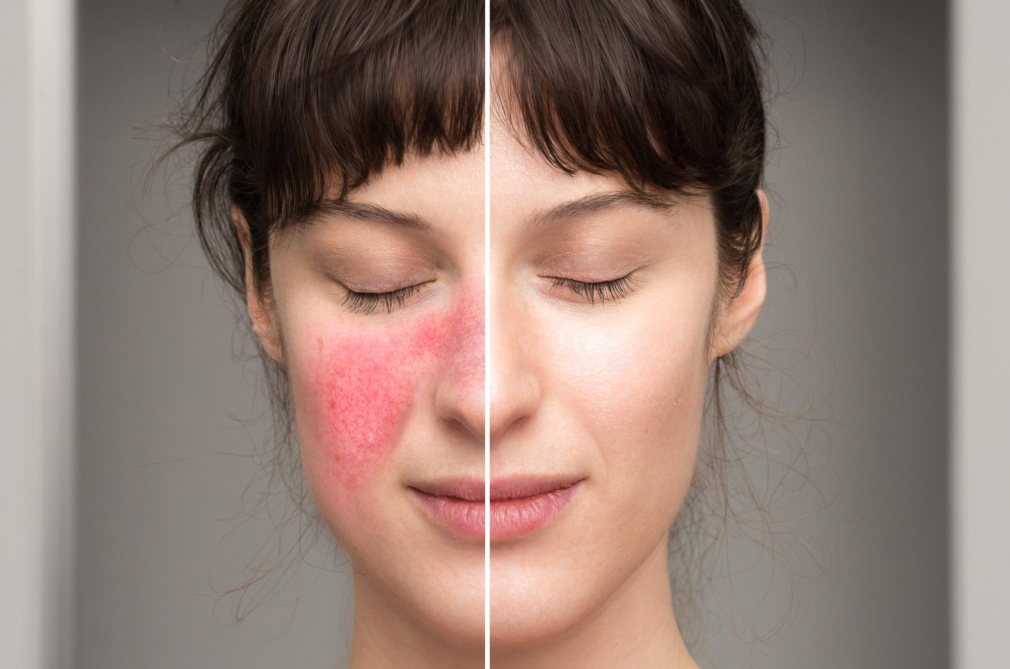
Rosacea is a common skin condition that can affect the appearance of the face, often causing persistent redness, visible blood vessels, and a tendency towards flushing. For some individuals, it may also involve small bumps, uneven skin texture, or increased skin sensitivity. These changes can affect confidence and make choosing suitable skincare products more challenging.
Rosacea In Manchester is an important consideration for people looking for professional guidance and personalised skincare approaches to help manage facial redness and support a calmer-looking complexion. With an appropriate treatment plan, individuals can learn more about their skin, identify potential triggers, and explore suitable options for improving its overall appearance.
At SLA Medical Clinic, individuals can discuss their skin concerns and explore a personalised approach to rosacea management. Understanding the type of symptoms, the condition of the skin, and individual treatment goals can help guide decisions about professional skincare and suitable treatment options.
What Is Rosacea?
Understanding Rosacea and Its Effects on the Skin
Rosacea is a chronic inflammatory skin condition that primarily affects the central areas of the face, including the cheeks, nose, forehead, and chin. Its appearance varies from person to person, and symptoms may become more or less noticeable over time.
Common characteristics include persistent facial redness, episodes of flushing, visible small blood vessels, and acne-like bumps. Some people also experience dryness, sensitivity, or a sensation of warmth in the affected areas.
Rosacea is not simply ordinary skin redness. It is a condition that may require ongoing management tailored to an individual’s symptoms and skin characteristics.
Different Types of Rosacea
Rosacea can present in several different ways. Recognising the main features can help individuals understand their skin concerns and discuss suitable management options with a professional.
- Erythematotelangiectatic rosacea: Commonly associated with persistent redness, flushing, and visible small blood vessels.
- Papulopustular rosacea: Characterised by inflammatory bumps and spots that may resemble acne.
- Phymatous rosacea: Associated with thickening and changes in skin texture, sometimes affecting the nose.
- Ocular rosacea: Involves the eyes and eyelids, potentially causing irritation, dryness, or redness.
These features can overlap, so a professional assessment is useful for understanding the individual’s presentation and identifying appropriate care.
What Causes Rosacea?
Factors That Influence Facial Redness
The exact cause of rosacea is not fully understood. Research suggests that several factors may contribute, including inflammatory responses, changes in blood vessel activity, skin barrier function, and individual susceptibility.
Rosacea can occur in different skin types and may become more noticeable at certain times. Identifying patterns in symptoms can help individuals understand their condition and develop a more consistent skincare routine.
Common Rosacea Triggers
Certain environmental and lifestyle factors may contribute to temporary flushing or increased redness. These triggers vary between individuals.
Common examples include:
- Exposure to strong sunlight
- Hot weather or sudden temperature changes
- Hot drinks
- Spicy foods
- Alcohol
- Stress or intense emotions
- Hot baths and showers
- Strenuous exercise
- Certain skincare products
Not everyone experiences the same triggers. Keeping a simple record of flare-ups may help identify patterns and support a more personalised management plan.
The Importance of the Skin Barrier
The skin barrier helps retain moisture and protect the skin from external irritants. People with rosacea may experience increased sensitivity, dryness, or discomfort when using products that are too harsh.
A gentle skincare routine can help support the skin barrier and improve comfort. Choosing suitable products is an important part of maintaining a calmer-looking complexion.
Rosacea In Manchester: Professional Skincare and Treatment Options
Personalised Skin Assessment
Effective rosacea management begins with understanding the individual’s symptoms and skin characteristics. Persistent redness, flushing, visible blood vessels, and inflammatory bumps may require different approaches.
At SLA Medical Clinic, a consultation can provide an opportunity to discuss the appearance of your skin, the frequency of flare-ups, your current skincare routine, and your desired outcome.
This information can help determine whether professional skincare, a medical assessment, or a specific aesthetic treatment may be appropriate.
Professional Skincare Guidance
Professional skincare guidance can help individuals establish a routine that supports hydration, comfort, and a healthier-looking skin barrier.
A suitable routine may include a gentle cleanser, a moisturiser formulated for sensitive skin, and daily sun protection. Products should be selected according to the individual’s skin condition rather than relying on multiple active ingredients.
For some people, simplifying their routine and avoiding known irritants can make the skin feel more comfortable and easier to manage.
Topical Treatments for Rosacea
Depending on the type and severity of rosacea, a healthcare professional may recommend topical treatments to address inflammatory bumps or persistent symptoms.
Prescription options may include ingredients such as azelaic acid, ivermectin, or metronidazole. Different products serve different purposes, and the appropriate choice depends on the individual’s presentation and medical assessment.
These treatments are not interchangeable, and they should be used according to professional instructions.
Laser and Light-Based Treatments
Selected laser and light-based procedures may be considered for persistent facial redness and visible small blood vessels associated with rosacea.
Certain technologies target the blood vessels that contribute to visible redness. Treatment suitability depends on skin tone, the type of rosacea, the area being treated, and the technology available.
These procedures may improve the appearance of selected symptoms, but they do not permanently cure rosacea. Ongoing skincare and trigger management may still be needed.
Managing Inflammatory Bumps
Some individuals with rosacea develop small red bumps and pustules in addition to facial redness. These symptoms can resemble acne, but rosacea requires a different management approach.
A professional assessment can help distinguish between rosacea and other skin conditions. Depending on the findings, treatment may involve prescription topical products or other medically recommended options.
Benefits of Professional Rosacea Care
A Calmer-Looking Complexion
One of the main goals of rosacea management is to reduce the visibility of redness and improve the overall appearance of the skin.
Although results vary, an appropriate treatment plan may help make redness less noticeable and support a more even-looking complexion.
Improved Skin Comfort
People with rosacea may experience dryness, sensitivity, or irritation when using unsuitable products. A carefully selected skincare routine can help support hydration and improve the overall comfort of the skin.
Better Understanding of Individual Triggers
Learning which factors contribute to flare-ups can help individuals make informed decisions about their daily routines.
Understanding personal triggers may reduce the frequency of some episodes of flushing and make symptoms easier to manage.
A More Consistent Skincare Routine
A simple, appropriate routine can make daily skincare easier to maintain. Rather than frequently switching products, individuals can focus on gentle cleansing, moisturising, sun protection, and treatments recommended for their specific symptoms.
Who May Benefit From Rosacea Treatment?
Individuals With Persistent Facial Redness
People who regularly experience redness across the cheeks, nose, forehead, or chin may benefit from an assessment to understand the underlying cause.
A professional can help determine whether the symptoms are consistent with rosacea or another skin condition.
People Who Experience Frequent Flushing
Frequent episodes of flushing may be associated with heat, sunlight, stress, or other triggers. Understanding these patterns can help individuals develop a more suitable management strategy.
Individuals With Visible Blood Vessels
Small visible blood vessels may develop alongside persistent redness. Depending on the individual’s skin and the appearance of the vessels, certain light-based procedures may be considered.
People With Sensitive or Easily Irritated Skin
Individuals who experience discomfort with fragranced products, harsh cleansers, or strong exfoliants may benefit from guidance on selecting suitable skincare products.
A personalised approach can help simplify the routine and support the skin barrier.
What Happens During a Rosacea Consultation?
Discussing Your Symptoms
During a consultation, you may be asked about the areas affected, how long the redness has been present, and whether symptoms appear continuously or in episodes.
It can also be useful to discuss changes in weather, skincare products, food, or lifestyle that appear to influence your symptoms.
Assessing Your Skin
The practitioner assesses the appearance of the skin and considers the main symptoms, including redness, visible blood vessels, dryness, and inflammatory bumps.
This helps establish whether the concerns may be consistent with rosacea and whether additional medical assessment is appropriate.
Creating a Personalised Care Plan
Following the assessment, suitable options can be discussed. Depending on the individual’s needs, the plan may involve skincare guidance, medical treatment, or selected procedures for specific symptoms.
At SLA Medical Clinic, discussing your concerns and expectations can help establish a plan that reflects your skin condition and desired outcome.
Rosacea Cost In Manchester
What Influences Rosacea Treatment Prices?
The Rosacea Cost In Manchester depends on the type of care required, the severity of the symptoms, and the treatment options selected.
Rosacea management can involve skincare recommendations, prescription treatments, professional consultations, or selected aesthetic procedures. Each approach has different costs and treatment requirements.
Factors that may influence the overall cost include:
- The type and extent of rosacea symptoms
- The consultation and assessment required
- The treatment method selected
- The number of appointments or sessions needed
- The products recommended for ongoing care
- The need for maintenance treatments
Because rosacea presents differently from person to person, there is no single price that applies to every treatment plan.
Cost of Skincare and Medical Treatments
A skincare-based approach may involve the ongoing cost of cleansers, moisturisers, and sunscreen. Prescription treatments may have separate costs depending on the medication and how it is obtained.
Procedures intended to reduce visible blood vessels or persistent redness may be priced per session or according to a recommended course of treatment.
Understanding the treatment options available can help individuals plan their care according to their needs and budget.
Why a Consultation Helps Determine Cost
A consultation can help clarify the nature of the symptoms and identify appropriate options before treatment begins.
At SLA Medical Clinic, individuals can discuss the Rosacea Cost In Manchester as part of their treatment planning and ask about the expected cost of consultations, procedures, and ongoing care where applicable.
It is helpful to understand which services are included in a quoted price and whether additional appointments or maintenance may be required.
How Long Does Rosacea Treatment Take to Work?
Gradual Improvement in Symptoms
The timeline for improvement depends on the type of rosacea and the treatment being used.
Some people may notice changes in inflammatory bumps after several weeks of appropriate treatment, while persistent redness and visible blood vessels may require a different approach.
Individual responses vary, so it is important to follow the recommended plan and allow sufficient time to assess progress.
The Role of Ongoing Management
Rosacea is generally a long-term condition rather than a temporary skin concern that can be permanently eliminated with one treatment.
Symptoms may fluctuate over time, and maintenance may be necessary to help keep them under control.
An ongoing routine that combines suitable skincare, trigger awareness, and recommended treatment can support longer-term management.
Setting Realistic Expectations
The goal of rosacea care is to improve symptom control and the appearance of the complexion rather than promise a permanent cure.
Understanding the expected results of each treatment helps individuals make informed decisions and recognise when a treatment plan may need to be reviewed.
How to Care for Rosacea-Prone Skin at Home
Use a Gentle Cleanser
A mild, fragrance-free cleanser can help remove dirt, oil, and everyday impurities without unnecessarily irritating the skin.
Avoid harsh scrubs and aggressive cleansing techniques, as these may increase discomfort and make redness more noticeable.
Moisturise Regularly
A suitable moisturiser can help maintain hydration and support the skin barrier. Products formulated for sensitive skin may be helpful for people who experience dryness or tightness.
The best formulation depends on individual skin characteristics and product tolerance.
Apply Sun Protection Daily
Sun exposure is a common trigger for rosacea symptoms. Applying a broad-spectrum sunscreen with SPF 30 or higher every day can help protect the skin from ultraviolet radiation.
Some individuals prefer fragrance-free mineral sunscreens containing zinc oxide or titanium dioxide because they may be more comfortable on sensitive skin.
Reapplying sunscreen as directed and using additional protection, such as a hat and shade, can help support daily skin management.
Avoid Over-Exfoliation
Strong exfoliating acids, abrasive scrubs, and multiple active ingredients may be unsuitable for some people with rosacea.
If a product repeatedly causes stinging, irritation, or increased redness, seek professional advice about whether it should remain part of your routine.
Identify Personal Triggers
Keeping a record of flare-ups may help identify common patterns. For example, some individuals notice that hot drinks, spicy meals, sunlight, or sudden temperature changes are associated with increased redness.
The aim is to identify your own triggers rather than unnecessarily avoiding every possible trigger.
Rosacea and Other Skin Conditions
Rosacea Compared With Acne
Rosacea and acne can both cause red bumps, but they have different characteristics.
Rosacea commonly affects the central face and may involve persistent redness and flushing. Acne can involve blackheads, whiteheads, and inflammatory spots in different areas.
Correctly identifying the condition is important because treatment approaches differ.
Rosacea Compared With General Skin Sensitivity
Sensitive skin is a broad description of skin that reacts easily to products or environmental factors. Rosacea is a recognised inflammatory skin condition that may include redness, flushing, visible vessels, and inflammatory bumps.
A person can have sensitive skin without having rosacea, so persistent symptoms may benefit from professional assessment.
Rosacea Compared With Contact Dermatitis
Contact dermatitis can develop when the skin reacts to an irritating substance or an allergen. It may cause redness, itching, dryness, and inflammation.
Because its symptoms can overlap with those of other skin conditions, persistent or unexplained redness should be assessed by an appropriate healthcare professional.
Why Choose SLA Medical Clinic for Rosacea In Manchester?
A Personalised Approach to Skin Concerns
Rosacea affects individuals differently, which means that treatment should reflect the specific symptoms and skin characteristics involved.
At SLA Medical Clinic, individuals can discuss their concerns and explore options suited to their goals for a calmer-looking complexion.
Understanding Suitable Treatment Options
Different rosacea symptoms may require different management strategies. Persistent redness, visible blood vessels, and inflammatory bumps do not necessarily respond to the same treatment.
A consultation provides an opportunity to discuss these differences and understand which options may be appropriate.
Guidance on Skincare and Maintenance
A consistent skincare routine can play an important role in managing rosacea. Professional guidance may help individuals select suitable products, identify potential triggers, and understand how to maintain their routine over time.
Clear Information About Treatment Expectations
Understanding the expected timeline, treatment requirements, and ongoing maintenance can help individuals make informed choices.
Discussing the Rosacea Cost In Manchester and the details of a proposed treatment plan also helps establish clear expectations before proceeding.
Frequently Asked Questions About Rosacea In Manchester
What is rosacea, and how does it affect the skin?
Rosacea is a chronic inflammatory skin condition that commonly affects the central face. It may cause persistent redness, flushing, visible blood vessels, and acne-like bumps. Symptoms and severity vary between individuals.
Can rosacea be treated permanently?
Rosacea does not currently have a permanent cure, but appropriate management can help control symptoms and improve the appearance of the skin. Ongoing skincare and maintenance may be necessary.
What is the best treatment for rosacea?
The most appropriate treatment depends on the symptoms. Options may include gentle skincare, prescription topical treatments, and selected laser or light-based procedures. A professional assessment can help determine the most suitable approach.
Can skincare products make rosacea better?
Suitable skincare products can help support the skin barrier, maintain hydration, and reduce irritation. A gentle cleanser, moisturiser, and daily sunscreen are common foundations of a rosacea-friendly routine.
Does sunlight make rosacea worse?
Sunlight is a common rosacea trigger. Daily broad-spectrum sunscreen, protective clothing, and seeking shade can help reduce exposure and support symptom management.
How long does rosacea treatment take to show results?
The timeline depends on the treatment and symptoms. Some inflammatory features may improve over several weeks, while persistent redness and visible blood vessels may require different treatment options and ongoing management.
How much does rosacea treatment cost in Manchester?
The Rosacea Cost In Manchester varies according to the type of treatment, number of sessions, and individual requirements. A consultation can help clarify suitable options and their associated costs.
Can rosacea cause bumps that look like acne?
Yes. Some forms of rosacea cause inflammatory bumps and pustules that can resemble acne. A professional assessment helps distinguish between the conditions and guide appropriate treatment.
Is rosacea skincare different from ordinary skincare?
Rosacea-prone skin may be more sensitive to fragrances, harsh cleansers, and strong exfoliating products. A gentle, consistent routine with suitable moisturising and sun protection can help support skin comfort.
Can laser treatment help with rosacea redness?
Certain laser and light-based procedures may improve the appearance of persistent redness and visible blood vessels in suitable individuals. The most appropriate option depends on the skin and the type of rosacea being treated.
Book a Rosacea Consultation In Manchester
Persistent redness, frequent flushing, and sensitive skin can make it challenging to maintain a comfortable and even-looking complexion. Understanding the condition and selecting suitable care can help individuals manage these concerns more effectively.
Rosacea in Manchester offers an opportunity to explore professional skincare guidance and treatment options designed to support a calmer-looking complexion.
At SLA Medical Clinic, a personalised consultation can help you discuss your symptoms, understand suitable approaches, and learn more about the Rosacea Cost In Manchester before deciding on a treatment plan.
With appropriate skincare, awareness of individual triggers, and professional guidance, many people can improve their management of rosacea and work towards a more comfortable, balanced-looking complexion.