


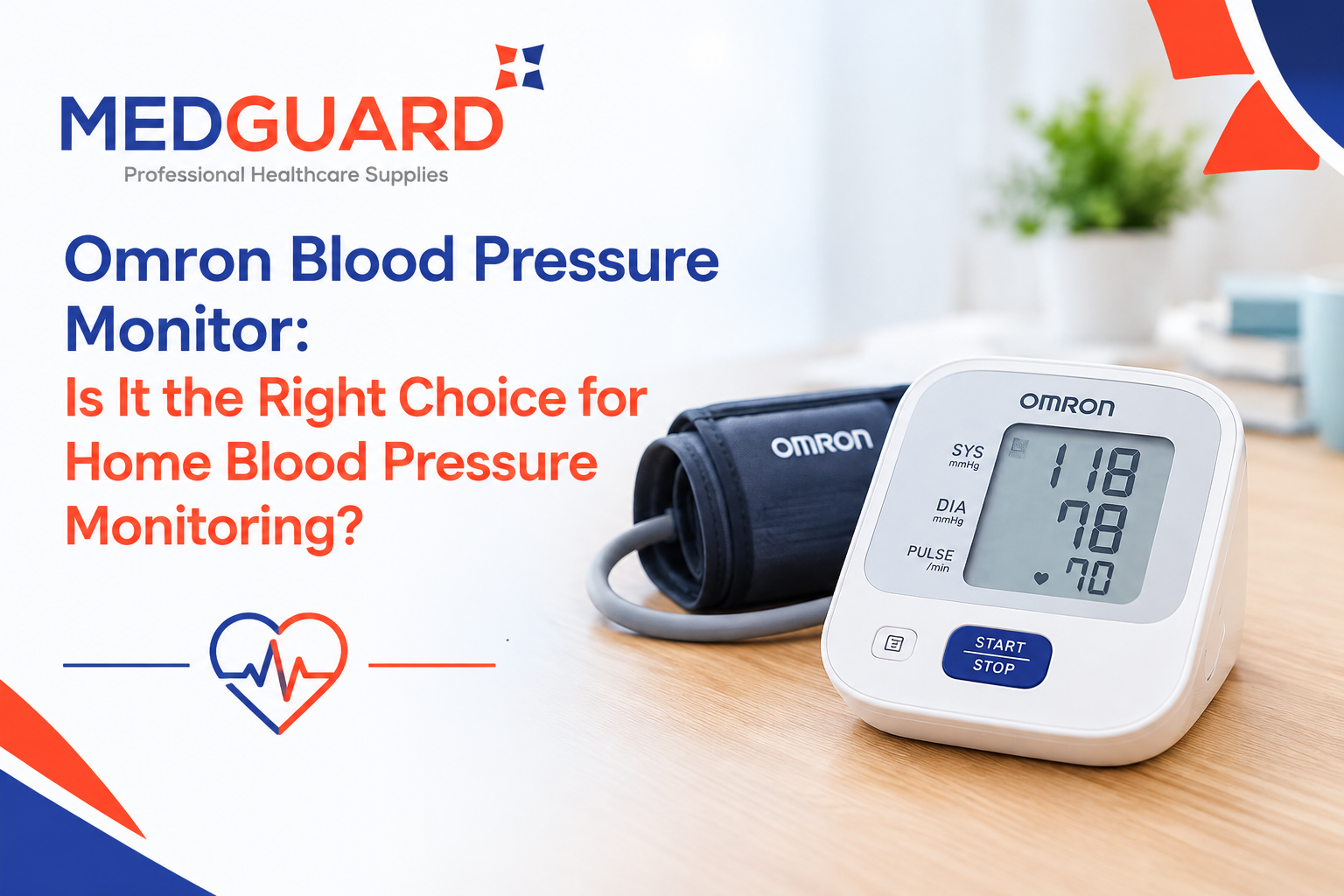
Regular blood pressure checks can help individuals learn about their cardiovascular health and identify any changes that might need medical attention. A good blood pressure monitor is a crucial choice for people who must monitor their blood pressure at home, or for healthcare workers. When looking at home blood pressure monitoring equipment, there are several options to explore and one of them is an Omron blood pressure monitor.
When deciding between blood pressure monitors, the features, accuracy needed and usefulness to healthcare providers and individuals in Ireland can make the process easier.
Why Is It Important to Monitor Your Blood Pressure at Home?
Blood pressure may vary during the day, depending on activity, stress, medication and other factors. Blood pressure readings taken at a doctor’s visit may not be the same as they are at home.
Home monitoring is monitoring done at home. These readings can be used to help healthcare professionals determine whether blood pressure patterns are changing over time and whether, or not, additional evaluations are needed or a treatment plan should be adjusted.
In nursing homes and care in the community, appropriate monitoring equipment can also assist with regular observations and better organised documentation. Readings, however, should always be considered in conjunction with the person’s symptoms, medical history and clinical evaluation.
Why Choose an Omron Blood Pressure Monitor?
Buyers should not only consider the brand name when checking an Omron blood pressure monitor, but should also examine the features it offers that are relevant to their blood pressure monitoring needs.
Some features that are common to multiple models could include:
- Electronic displays: Digital readings allow the reading of the systolic pressure, diastolic pressure and pulse readings.
- Memory functions: Some models have memory capabilities, so users can record past measurements.
- Cuff fit indicators: Some machines will tell you if the cuff is fit correctly or not.
- Irregular heartbeat indicators: These can be found on some models and will alert you to any irregularities in the readings, but will not diagnose the problem.
- Ease of operation: Straightforward controls can be particularly helpful for older adults, carers and people who monitor their blood pressure frequently.
The features differ from model to model, so be sure to review the manufacturer’s specifications before buying.
How to Select the Best Blood Pressure Monitor
The key to choosing the best blood pressure monitor in Ireland is the intended user, ease of use and requirements for blood pressure measurements, not price or brand.
1. Check Clinical Validation
Select a device that is an independent product validated for blood pressure measurements. Comparing available options can be done by healthcare professionals and buyers by referring to recognised resources like a listing of validated devices.
People who use home readings to help maintain their blood pressure should be clinically validated.
2. Make Sure to Choose the Appropriate Cuff Size
Too tight of a cuff or too loose of a cuff can impact the accuracy of the measurement. Before selecting an arm cuff, measure the circumference of the arm and verify it is within the manufacturer’s range.
Having appropriate cuff size available for various patients is a practical consideration for hospitals and nursing homes.
3. Take into Account the Targeted Surroundings
An occasional home gadget might not be suitable at a bustling healthcare centre. Durability, cleaning needs, usability and memory functions, and compatibility with monitoring systems are important factors for consideration by hospitals and nursing homes.
Healthcare teams should also clean, maintain and operate as per the manufacturer’s guidelines.
4. Look at Data Storage and Readability
If reading is required during health care visits, memory functions can be helpful. Displaying a clear picture and having straightforward controls can also help to make routine monitoring easier, especially for those who are not so technologically savvy.
What Can Users Do to Make Blood Pressure Measurement More Accurate?
A good monitor can not provide accurate readings if it is not properly used. Predictability of measurement helps to improve reliability.
Sit quietly for approximately five minutes prior to a reading. Do not smoke, drink coffee or exercise in the 30 minutes leading up to the test. Sit with back supported, feet flat on floor and arm at heart level. Apply the cuff on bare skin and refrain from speaking while taking the measurement.
If two readings are taken one minute apart and recorded in each case, then a more useful picture will be gained than one based on a single measurement. Follow any extra advice that your health care provider gave you.
If repeated readings are above or below normal levels, consult a trained health care professional. If symptoms of chest pain, breathlessness or new neurological symptoms are present, very high readings are a sign of urgent medical assessment.
The Selection of Blood Pressure Monitors for Irish Healthcare Settings
Hospitals, nursing homes, clinics and community care providers will take into account clinical needs, user-friendliness, equipment upkeep and reliable supply when making purchases.
When choosing medical equipment, hospitals should consider if a monitor is appropriate for their patient population and established procedures. Consistency in equipment used and routine equipment checks are also vital to staff training.
Medguard Healthcare provides medical supplies to meet medical requirements in Ireland. Healthcare professionals can take the choice of product specification into account when purchasing monitoring equipment and choose the right equipment for their environment.
Final Thoughts
Depending upon clinical validation, cuff size, usage and ease of use some blood pressure monitors manufactured by Omron might be suitable for some home monitoring needs. These factors can be compared to enable individuals and healthcare organisations to make informed purchasing decisions.
Either for personal monitoring or for finding a healthcare facility using blood pressure monitors, reliability and suitable use are key. Regularly tracking blood pressure and having expert advice can help keep blood pressure in check.