


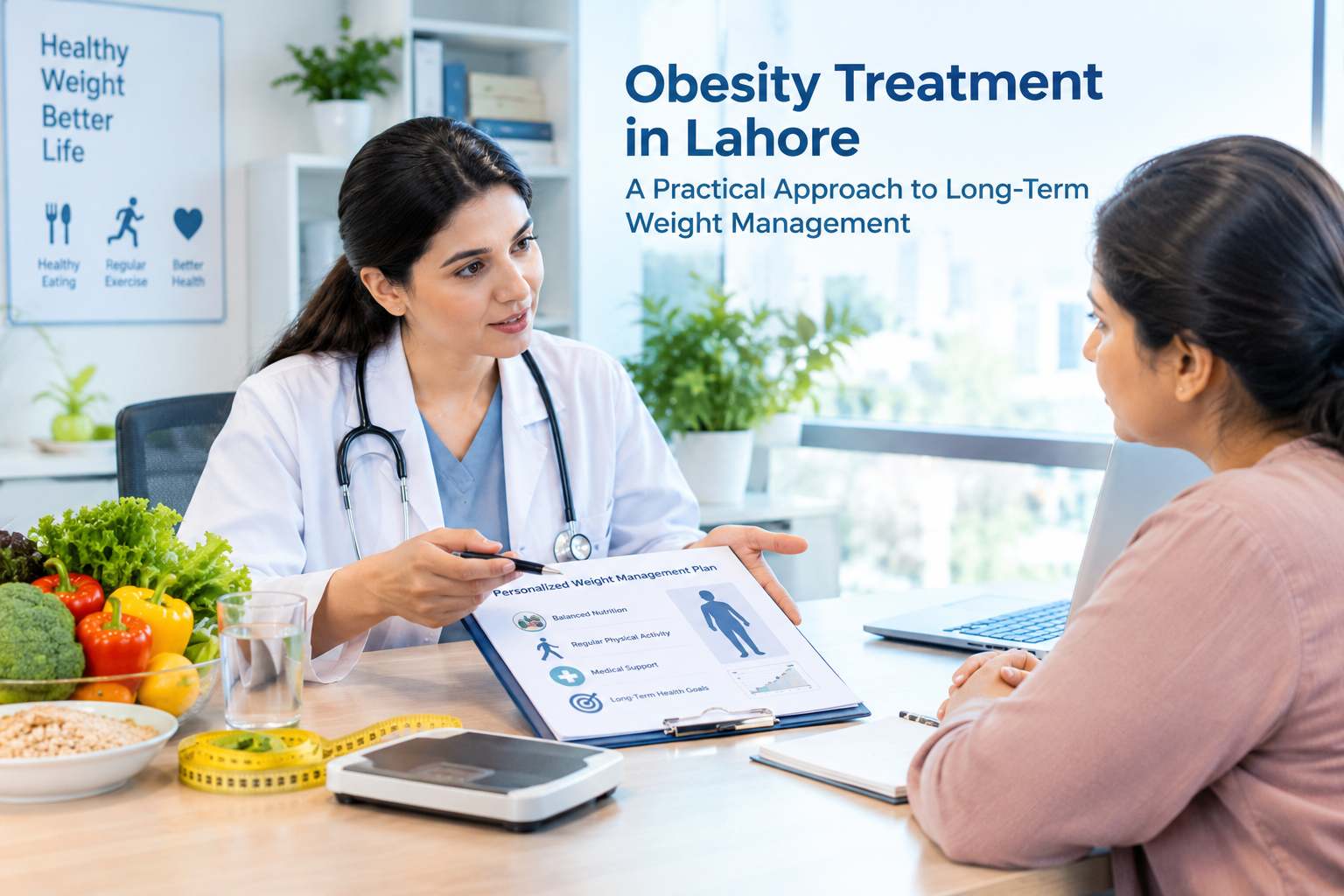
Obesity Treatment in Lahore involves more than reducing numbers on a weighing scale. Effective weight management focuses on improving overall health, understanding the factors behind weight gain, and developing habits that can be maintained over time. For people seeking obesity treatment in Lahore, a personalized approach can help address individual health needs, daily routines, food preferences, and long-term goals.
Obesity is a complex health condition influenced by genetics, eating patterns, physical activity, sleep, stress, certain medications, and other biological factors. It can increase the risk of type 2 diabetes, high blood pressure, cardiovascular disease, and other health complications. Recognizing these factors early can help people make informed decisions about their care.
Understanding the Need for Obesity Treatment in Lahore
Obesity Treatment in Lahore begins with understanding why a person is gaining weight and how excess body fat may be affecting their health. Two people with similar body weights may have different medical needs, activity levels, and risk factors. For this reason, an effective treatment plan should consider the individual rather than rely on a standard weight-loss formula.
A healthcare professional may review weight history, waist circumference, blood pressure, eating habits, physical activity, sleep quality, and relevant medical conditions. Depending on the person’s circumstances, blood tests may be recommended to assess blood glucose, cholesterol, or other health indicators.
Body mass index (BMI) can help classify weight status in adults, but it does not provide a complete picture of health. Waist measurements, medical history, and obesity-related complications can also influence treatment decisions. A thorough assessment provides a more useful starting point than setting an arbitrary target weight.
Identifying Factors Behind Weight Gain
Weight gain rarely has a single explanation. Long working hours, irregular meals, frequent consumption of calorie-dense foods, limited physical activity, and insufficient sleep can all contribute to difficulties with weight management.
In a busy city such as Lahore, daily routines may make consistent healthy habits challenging. People who spend extended periods sitting at work or travelling may find it difficult to include regular exercise. Convenient meals and sugary drinks can also increase daily calorie intake without providing lasting fullness.
Biological factors deserve attention as well. Some medical conditions and medications can influence body weight, while appetite regulation and genetic susceptibility can affect how the body responds to changes in food intake and activity. Emotional stress may also influence eating patterns.
Identifying the factors that apply to each individual helps create realistic goals. Instead of blaming a person for weight gain, effective care focuses on understanding the problem and finding practical ways to manage it.
Building a Sustainable Nutrition Plan
A balanced eating pattern is an important part of obesity management. Rather than following severe restrictions or eliminating entire food groups without medical advice, people can benefit from a nutrition plan that provides adequate nourishment while supporting gradual weight reduction.
Traditional Pakistani meals can be adapted to support healthier eating. Vegetables, lentils, beans, whole grains, fruit, and suitable sources of protein can contribute to a balanced diet. Portion sizes, cooking methods, and the frequency of energy-dense foods are also worth considering.
For example, meals can include vegetables alongside a protein source and a suitable portion of roti or rice. Grilled, baked, or lightly cooked foods may be useful alternatives to meals that contain substantial amounts of added oil. Replacing sugary drinks with water can also help reduce unnecessary calorie intake.
A registered dietitian or qualified nutrition professional can help develop a plan that reflects personal preferences, budget, cultural eating habits, and medical requirements. The goal is to establish an eating pattern that is practical enough to maintain, rather than one that produces short-term results through excessive restriction.
Physical Activity and Daily Movement
Regular movement supports weight management, cardiovascular health, mobility, and emotional well-being. However, the appropriate level of physical activity depends on a person’s current fitness, medical conditions, and physical limitations.
People beginning an obesity treatment plan may benefit from starting with manageable activities such as walking, gentle cycling, or short movement breaks during the day. Activity duration and intensity can gradually increase as fitness improves. Strength-building exercises may also help maintain muscle during weight reduction when performed appropriately.
Consistency is generally more useful than attempting an intense routine that is difficult to sustain. Individuals with significant joint pain, breathing difficulties, cardiovascular concerns, or other health conditions should seek professional advice before beginning a demanding exercise programme.
Everyday movement can contribute to an active lifestyle. Taking brief walking breaks, using stairs when appropriate, and reducing long periods of uninterrupted sitting are practical steps that may fit into a busy schedule.
Medical Options for Obesity Management
Lifestyle changes are central to obesity treatment, but some people may require additional medical support. The most suitable approach depends on factors such as BMI, waist circumference, existing health conditions, previous treatment attempts, potential risks, and personal preferences.
Prescription weight-management medication may be considered when clinically appropriate. Certain medicines influence appetite, feelings of fullness, or other processes involved in weight regulation. Some newer treatments, including GLP-1-based therapies, have expanded medical options for eligible adults. However, these medicines are not suitable for everyone and require assessment by a qualified healthcare professional.
Medication should not be selected solely because it is popular or promoted online. Potential benefits, side effects, contraindications, cost, and the need for continued treatment should be discussed before starting. Unverified weight-loss products and unsupervised medication use can create unnecessary health risks.
For selected individuals with severe obesity or significant obesity-related complications, metabolic or bariatric surgery may also be an option. Eligibility requires specialist assessment, discussion of potential benefits and risks, and an understanding of the long-term nutritional monitoring and follow-up that surgery involves.
Current clinical guidance supports a comprehensive approach that combines appropriate medical treatment with nutrition, physical activity, behavioural support, and ongoing review.
The Role of Sleep, Stress, and Behavioural Support
Weight management involves more than food choices and exercise. Sleep quality, stress, emotional well-being, and established routines can affect appetite, energy, and the ability to follow a treatment plan.
Adults who regularly sleep too little may experience changes in hunger, food preferences, and daytime energy. Establishing a consistent sleep schedule and reducing distractions before bedtime may support healthier routines.
Stress management can also be valuable. Some people respond to stress by eating more frequently, while others struggle to maintain regular meals or physical activity. Identifying these patterns can help individuals develop alternative coping strategies.
Behavioural support may include setting realistic goals, monitoring habits, planning meals, and reviewing progress with a qualified professional. If emotional eating or psychological distress is affecting daily life, appropriate psychological support may form part of the treatment plan.
These strategies help make weight management more manageable without relying entirely on willpower.
Tracking Progress Beyond the Weighing Scale
Progress in obesity treatment should not be judged by body weight alone. Improvements in waist circumference, blood pressure, blood glucose, stamina, mobility, sleep, and daily functioning may also be meaningful.
Weight can fluctuate because of hydration, digestion, hormonal changes, and other normal processes. Frequent reactions to small changes on the scale can make progress feel discouraging, even when beneficial habits are developing.
A structured follow-up plan allows a healthcare professional to assess results, review difficulties, and adjust treatment when necessary. If progress slows, the next step is to evaluate the existing approach rather than immediately adopt a more restrictive diet or unverified product.
Long-term weight maintenance also deserves attention. Changes in appetite, daily routines, and biological responses can make maintaining weight loss challenging. Continued support and a flexible plan can help people respond to setbacks without abandoning their goals.
Choosing a Suitable Obesity Treatment Approach in Lahore
Selecting an obesity treatment service in Lahore requires attention to professional qualifications, the assessment process, treatment options, and follow-up arrangements. A suitable provider should explain the reasoning behind recommendations and discuss realistic outcomes instead of promising rapid or guaranteed weight loss.
People may wish to ask how progress will be monitored, whether nutrition and behavioural support are available, how medical conditions will be considered, and what follow-up is included. If medication or surgery is being considered, the discussion should cover eligibility, possible risks, expected costs, and long-term care.
A personalized plan should also reflect work schedules, food preferences, mobility, and financial circumstances. Treatment is more practical when it can be incorporated into everyday life without unnecessary complexity.
Respectful, non-judgmental care is important. Obesity is a complex chronic condition, and people deserve support based on their health needs rather than assumptions about their habits or motivation.
Conclusion
Obesity Treatment in Lahore can support better health when it is based on an individualized assessment, balanced nutrition, appropriate physical activity, and consistent follow-up. Depending on medical needs, some individuals may also benefit from prescription medication, behavioural support, or specialist evaluation for metabolic and bariatric surgery.
Sustainable progress does not depend on extreme diets or unrealistic promises. It comes from choosing suitable strategies, monitoring meaningful health changes, and adapting the plan when circumstances change. With informed professional guidance and realistic expectations, people can work towards improved weight management, better daily functioning, and long-term well-being.