




Most people don’t get a clear picture of their health until something goes wrong. A routine physical gives you a handful of numbers once a year, and then the data goes quiet.
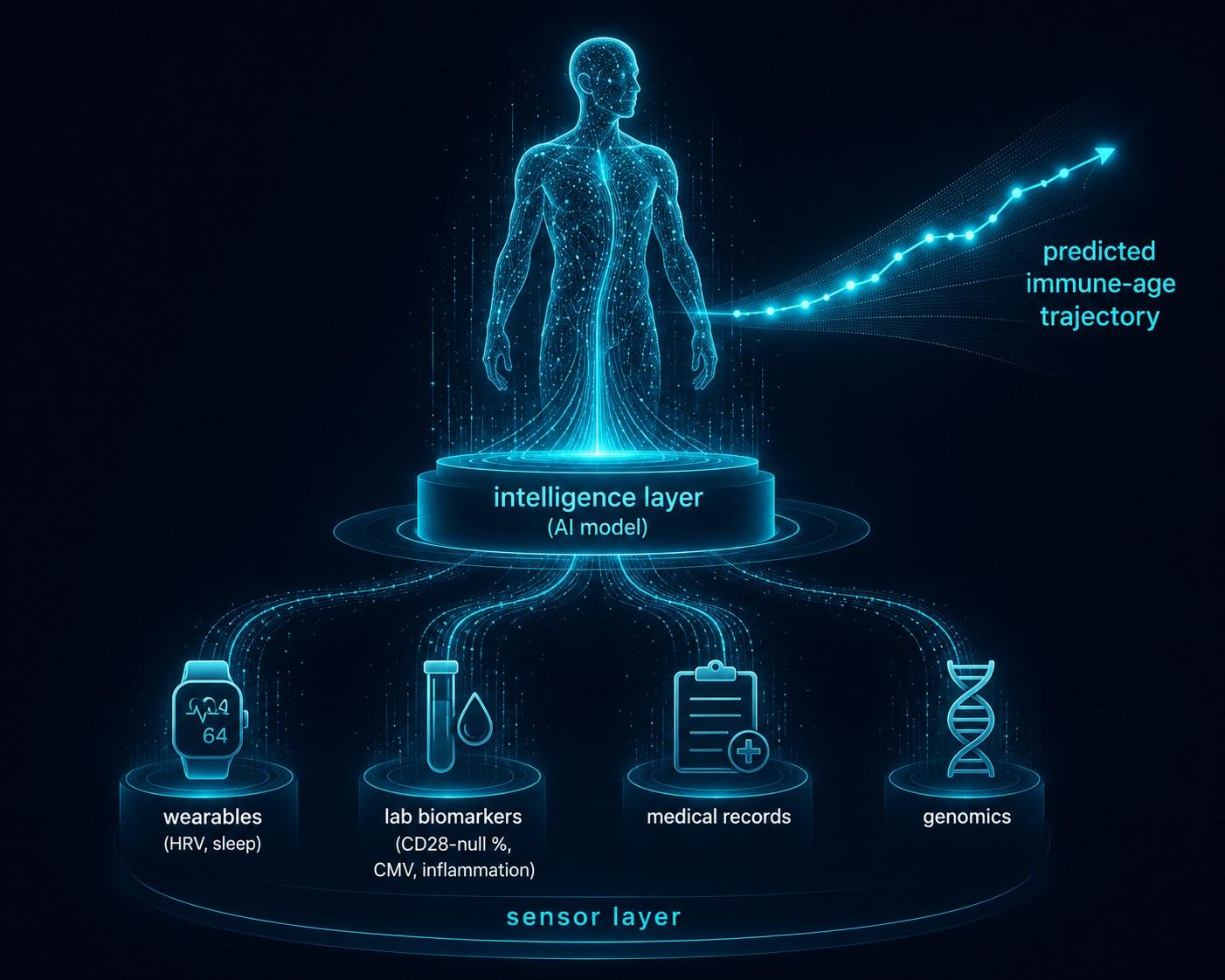
That is changing. A DEXA scan shows how much muscle, fat, and bone you carry. Blood tests reveal metabolic and cardiovascular trends. A wearable records your sleep and heart rate every night. The hard part is making sense of it all, which is where a Dexa Scan AI App can help by turning body composition results into trends you can track and act on.
This article looks at how AI and longevity research fit together, which data matters most, what it costs, and where the risks are.
Why AI and Longevity Are Linked
Longevity science has shifted its focus from lifespan to healthspan, the number of years you stay healthy and independent. Living to 90 matters less if the last 15 years involve chronic illness.
Healthspan depends on many slow-moving factors: muscle mass, blood sugar control, inflammation, cardiovascular fitness, sleep quality, and genetics. No single test captures all of them, and a human clinician can’t realistically cross-reference years of data from five different sources during a 20-minute appointment.
AI is useful here because it handles pattern recognition at scale. It can:
- Combine data from different sources into one view
- Flag gradual changes that are easy to miss
- Compare your numbers against reference ranges for your age and sex
- Estimate how current habits may affect future risk
AI doesn’t replace medical judgment. It organizes information so you and your doctor can have a better conversation.
The Data Types That Matter Most
Body composition (DEXA)
Dual-energy X-ray absorptiometry, or DEXA, measures lean mass, fat mass, visceral fat, and bone density. Weight on a bathroom scale can’t tell you whether you lost fat or muscle. DEXA can.
This matters because muscle and bone loss are central to aging. Low muscle mass and poor grip strength are linked to higher risk of falls, frailty, and loss of independence. Tracking lean mass over time gives you an early warning long before mobility changes.
Bloodwork and biomarkers
A standard panel covers cholesterol and glucose. A longevity-focused panel often goes further:
- ApoB: a count of atherogenic particles, often considered a better cardiovascular risk marker than LDL alone
- HbA1c and fasting insulin: long-term and short-term views of metabolic health
- hs-CRP: a general marker of inflammation
- Vitamin D, ferritin, thyroid markers: common contributors to fatigue and performance changes
- Kidney and liver function: baseline organ health
The value is in the trend. One out-of-range result may be noise. A slow upward drift across three tests is a signal.
Wearable data
Rings and watches track resting heart rate, heart rate variability (HRV), sleep stages, activity, and sometimes skin temperature. Companies like Oura and Whoop built large user bases by making this data easy to read. These devices are not medical-grade, but they are good at showing personal baselines and changes over weeks and months.
One of the better-supported wearable metrics is cardiorespiratory fitness. Research, including a large study published in JAMA Network Open in 2018, found that higher cardiorespiratory fitness was associated with lower all-cause mortality. Many wearables now estimate VO2 max, though estimates vary in accuracy.
DNA and genetic data
Genetic testing can show inherited tendencies, such as higher risk for certain cardiovascular conditions, how you metabolize caffeine, or how you respond to some medications. It doesn’t determine your future. Most common age-related conditions are shaped by genes and lifestyle together, and genetics is rarely the deciding factor on its own.
Biological age
Biological age tries to estimate how fast your body is aging compared to the calendar. Methods include epigenetic clocks such as GrimAge and DunedinPACE, as well as models built from routine blood markers. These tools are still evolving. They are best used as one input among many, not as a verdict.
The Problem: Plenty of Data, Little Clarity
Many health-conscious people now own several data streams and still feel unsure what to do. Common frustrations include:
- Fragmented data. Lab results sit in a patient portal, DEXA reports arrive as PDFs, and wearable stats live in an app.
- No context. A “normal” lab range describes the general population, not necessarily what’s optimal for you.
- Information overload. Fifty biomarkers and no priorities.
- No follow-through. Test once, feel motivated, then lose the thread.
This is the gap that consumer health companies have started targeting. Function Health, for example, built a business around broad lab panels with plain-language results. Oura and Whoop made wearable data a daily habit. InsideTracker built recommendations on top of blood biomarkers. Each addresses part of the problem. The next step is connecting all of it.
How AI Turns Data Into Useful Insight
Good AI-driven health analysis follows a sensible sequence.
- Collect and standardize. Pull lab values, DEXA reports, wearable metrics, and genetic data into one structured record.
- Establish baselines. Learn what is normal for you, not just for a population.
- Detect trends. Highlight meaningful changes, such as rising ApoB, falling lean mass, or declining HRV.
- Prioritize. Rank what deserves attention first.
- Suggest actions. Offer options like resistance training, dietary adjustments, sleep changes, or a conversation with your physician.
- Re-measure. Check whether the changes worked.
Platforms in this space, including Vidaya, are built around this loop: integrate DNA, bloodwork, wearable, and body composition data, track biological age and healthspan indicators over time, and use an AI health assistant to explain results in plain language. The goal is not to produce a single magic score. It is to help people see what is changing and why.
Benefits of Data-Driven Healthy Aging
- Earlier detection. Subtle shifts appear before symptoms do.
- Better conversations with doctors. Organized trend data beats vague recollection.
- Personalization. Guidance reflects your numbers, not generic advice.
- Motivation. Seeing lean mass rise or blood pressure drop is a strong reinforcer.
- Preventive focus. Small corrections made early cost less than treatment later.
Risks and Limitations
A balanced view matters here.
- Overinterpretation. Many biomarkers fluctuate day to day. Reacting to a single reading can cause needless worry.
- False reassurance or false alarm. Consumer tests and algorithms are not diagnostic tools.
- Biological age uncertainty. Different clocks can give different answers for the same person.
- Data privacy. Health and genetic data are sensitive. The 2025 bankruptcy of 23andMe raised public concern about what happens to genetic data when a company changes hands.
- Algorithm bias. Many reference datasets underrepresent certain populations, which can skew interpretations.
- Unsupervised changes. Starting supplements, extreme diets, or medications based on a dashboard, without clinical input, can cause harm.
In the US, most consumer wellness tools are not regulated like medical devices. That puts more responsibility on users to ask how a product handles data and what it claims to do.
What It Costs
Prices vary by region and provider, but typical US ranges look like this:
- DEXA scan: often around $75 to $150 for a body composition scan, with some clinics charging more
- Extended blood panels: roughly $100 to $500 or more, depending on the number of markers
- Genetic testing: from under $100 for basic reports to several hundred dollars for more detailed analysis
- Wearables: a few hundred dollars upfront, sometimes with a monthly or annual subscription
- Software and analysis platforms: usually subscription-based
Insurance generally does not cover wellness-oriented testing, though HSA and FSA funds sometimes apply. Check the specifics before paying.
Best Practices for Using Your Health Data
- Start with a baseline. Get a full blood panel and a DEXA scan, and note your current wearable averages.
- Re-test on a sensible schedule. Bloodwork every 6 to 12 months and DEXA once or twice a year is common. More frequent testing rarely adds value.
- Focus on trends, not single numbers.
- Change one or two things at a time. Otherwise you can’t tell what worked.
- Share results with a clinician, especially anything outside normal range.
- Prioritize the basics. Strength training, aerobic fitness, sleep, and a diet you can maintain still deliver most of the benefit.
- Read the privacy policy. Know who can access your data and whether you can delete it.
Implementation Considerations
If you are choosing a platform, ask a few practical questions. Does it import data from the sources you already use? Does it explain results clearly and cite the reasoning? Can you export or delete your data? Does it encourage working with a physician? And does it avoid promising outcomes it cannot guarantee?
The best tools make you more informed without making you more anxious.
Where This Is Heading
Expect tighter integration between labs, imaging, genetics, and continuous monitoring. Expect better predictive models as datasets grow and are validated. Anticipate greater oversight as well, which is beneficial. A well-designed AI-powered Longevity App should combine your DEXA, bloodwork, DNA, and wearable data in one place, show trends in plain language, and leave medical decisions with you and your care team.
Conclusion
AI and longevity make a practical pairing because aging is a data problem as much as a biological one. The measurements already exist. What most people lack is a way to connect them, spot meaningful change, and act early.
Start small. Get your baselines, track trends, and use AI to organize the picture, not to replace professional care. Healthy aging is built on consistent habits, and good data helps you see whether those habits are working.
Frequently Asked Questions
1. What is a DEXA scan, and why does it matter for longevity?
A DEXA scan uses low-dose X-rays to measure bone density, lean mass, and fat distribution, including visceral fat. It matters because muscle and bone loss are major drivers of frailty with age, and a scale can’t detect them.
2. Can AI predict how long I will live?
No. AI can estimate risk patterns based on your data, but it cannot predict lifespan. Genetics, environment, behavior, and chance all play a role.
3. How accurate is biological age testing?
Accuracy varies by method. Epigenetic clocks and blood-based models are useful for tracking change over time, but results differ between tests. Treat them as directional, not definitive.
4. How often should I test my biomarkers?
For most healthy adults, every 6 to 12 months is reasonable. Retest sooner if you change medications, start a major lifestyle program, or your doctor recommends it.
5. Is it safe to upload my health and genetic data to an app?
It depends on the company. Look for clear privacy policies, encryption, user control over deletion, and transparency about data sharing. If a policy is vague, that’s a reason to look elsewhere.