





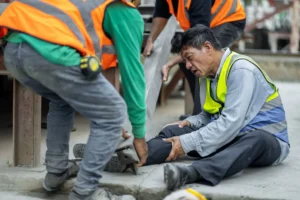
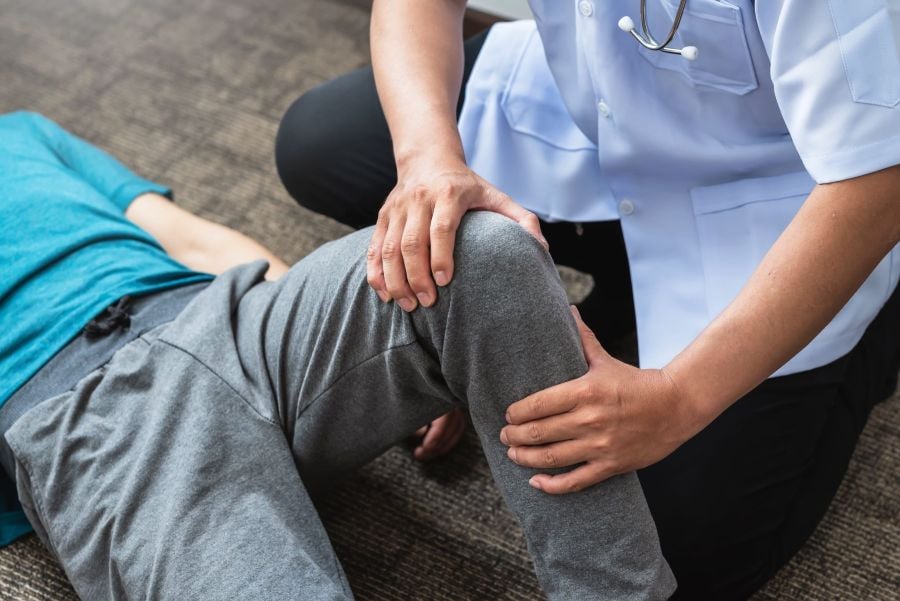
Sports and exercise can help people stay active, build strength, and enjoy their favourite activities. But an unexpected twist, awkward landing, or sudden increase in training can sometimes lead to an injury.
Depending on the type of injury, you may experience muscle soreness, joint discomfort, swelling, or difficulty moving normally.
Sport injuries chiropractic care may be considered for certain musculoskeletal problems, but the first step is understanding the injury and ruling out conditions that need urgent medical attention.
What Are Common Sports Injuries?
Sports injuries can affect different parts of the body, depending on the activity and movement involved.
Common examples include:
- Muscle strains
- Ligament sprains
- Shoulder discomfort
- Back pain
- Neck pain
- Joint stiffness
- Overuse injuries
Some injuries occur suddenly, while others develop over time because of repetitive movements, insufficient recovery, or changes in training load.
The symptoms alone may not reveal the full extent of an injury. A suitable assessment can help determine the next steps.
How Can Chiropractic Care Help With Sports Injuries?
Chiropractic care focuses on musculoskeletal assessment and selected conservative treatments.
For some injuries, a chiropractor may discuss manual therapy, mobility exercises, movement guidance, or other approaches suited to the assessment findings.
The goals may include improving movement, managing discomfort, and helping you return to everyday activities.
Chiropractic treatment is not suitable for every sports injury. Suspected fractures, major ligament or tendon injuries, significant joint instability, and other serious conditions may require medical assessment or specialist rehabilitation.
What Should You Do Immediately After a Sports Injury?
Your response depends on the injury and its severity.
For a minor injury, it may help to stop the activity that caused the pain and avoid movements that make symptoms worse. Some injuries benefit from brief protection, relative rest, and gradual movement as tolerated.
Consider these steps:
- Stop the activity if continuing causes pain.
- Protect the injured area from further injury.
- Seek medical care if pain is severe or movement is significantly limited.
- Monitor swelling, bruising, and changes in sensation.
- Follow professional guidance about returning to activity.
Do not try to push through severe pain or use manual treatment on a suspected serious injury before receiving an appropriate assessment.
What Happens During a Sports Injury Assessment?
A healthcare professional may ask how the injury occurred, which movement caused it, and whether you have experienced similar problems before.
The assessment may include checking movement, strength, swelling, and the function of the affected area.
You may be asked about your sport, training schedule, equipment, and recent changes in activity.
This information can help identify possible contributing factors and determine whether further medical investigation is needed.
Which Treatment Options May Be Useful?
Treatment depends on the injury, its severity, and your goals.
| Treatment Option | Possible Role |
|---|---|
| Chiropractic care | May address selected musculoskeletal symptoms |
| Physiotherapy | Supports rehabilitation, strength, and movement |
| Medical care | Assesses serious injuries and determines appropriate treatment |
| Mobility exercises | Help restore movement when suitable |
| Strengthening exercises | Build capacity for everyday and sports activities |
| Training adjustments | Help manage activity levels during recovery |
A suitable plan may involve more than one approach. Follow the recommendations of the healthcare professionals involved in your care.
How Can You Reduce the Risk of Sports Injuries?
Not every injury can be prevented, but sensible training habits can reduce some risks.
Try to:
- Increase training intensity gradually.
- Use suitable equipment for your sport.
- Learn and practise proper technique.
- Include appropriate strength and mobility work.
- Allow enough time for recovery.
- Pay attention to pain that persists or worsens.
- Return to sport gradually after an injury.
A structured return-to-sport plan can be particularly useful after an injury that affects strength, balance, or joint stability.
When Should You Seek Medical Attention?
Seek urgent medical assessment if you suspect a fracture, experience a visible deformity, cannot bear weight after an injury, or have severe swelling or pain.
Head injuries require special attention. Loss of consciousness, confusion, repeated vomiting, worsening headache, or unusual behaviour after a blow to the head needs urgent medical evaluation.
New weakness, significant numbness, or difficulty walking also warrants prompt assessment.
Do not return to sport until it is safe to do so.
Chiropractic Care vs. Physiotherapy for Sports Injuries
Both approaches may be relevant in some musculoskeletal situations, but their methods and emphasis can differ.
| Feature | Chiropractic Care | Physiotherapy |
|---|---|---|
| Assessment | Musculoskeletal function and symptoms | Movement, function, and rehabilitation needs |
| Possible treatment | Selected manual techniques and movement advice | Exercise-based rehabilitation and other suitable treatments |
| Recovery goals | May improve movement and manage discomfort | Often focuses on restoring function and building capacity |
| Suitability | Depends on the condition and assessment | Depends on the condition and assessment |
Neither option is automatically the best choice for every injury. The injury type and clinical findings should guide treatment.
Where Can You Learn More About Sport Injuries Chiropractic?
For information about care options for sports-related musculoskeletal problems, visit Sport Injuries Chiropractic at Etobicoke Chiro.
Discuss your injury, training goals, and medical history with a qualified healthcare professional before beginning treatment or returning to sport.
Final Thoughts
Sports injuries can interrupt training and make everyday activities uncomfortable. Understanding the injury and choosing an appropriate recovery plan can help you return to movement safely.
Chiropractic care may be considered for certain musculoskeletal problems, but serious injuries need proper medical assessment. Follow professional advice, progress gradually, and avoid returning to sport before you are ready.