





Photodynamic therapy for actinic keratosis is a modern dermatological treatment that uses a light-sensitive medication and a specific light source to target sun-damaged skin cells. Photodynamic Therapy Actinic Keratosis is an important topic for anyone seeking to understand how this procedure works, what it feels like, and what recovery involves.
Actinic keratosis develops after years of ultraviolet (UV) exposure and appears as rough, scaly patches on sun-exposed areas. Although some patches seem harmless, they can develop into squamous cell carcinoma, a type of skin cancer. Early assessment and appropriate treatment help reduce this risk.
Photodynamic therapy (PDT) offers a treatment option for suitable lesions, particularly when several areas need attention. Knowing what happens before, during, and after the procedure can help you prepare, understand possible side effects, and discuss the best approach with your dermatologist.
What Is Photodynamic Therapy?
Photodynamic therapy is a medical procedure that combines a photosensitising medicine with a controlled light source. The medicine makes targeted abnormal skin cells more sensitive to light, allowing the treatment to damage these cells while limiting harm to surrounding tissue.
For actinic keratosis, a clinician usually applies a topical medication containing aminolevulinic acid (ALA) or methyl aminolevulinate (MAL). Abnormal skin cells absorb the medication and convert it into a light-sensitive substance. When the treated area receives the prescribed light, a chemical reaction produces reactive oxygen species that damage targeted cells.
Why do dermatologists use PDT?
- It can treat multiple lesions across one area.
- It may provide a useful cosmetic outcome.
- It avoids surgery for many suitable superficial lesions.
- It allows treatment of selected areas affected by sun damage.
PDT is not appropriate for every lesion. A dermatologist first checks whether the diagnosis and lesion characteristics make this approach suitable.
Who Is a Suitable Candidate for PDT?
Photodynamic therapy may suit people with several actinic keratoses on the face, forehead, scalp, or other sun-exposed areas. It can treat a wider area containing visible lesions and some surrounding sun-damaged skin, depending on the medication and protocol used.
Your dermatologist will consider:
- The number, thickness, and location of your lesions.
- Your medical history and previous skin treatments.
- Your ability to follow light-protection instructions.
- Whether any lesion needs a biopsy to exclude skin cancer.
Thick, tender, rapidly growing, or repeatedly bleeding lesions may need further assessment rather than routine PDT. A biopsy or another treatment may be more appropriate if the diagnosis is uncertain.
Photodynamic Therapy Actinic Keratosis treatment should always follow a confirmed clinical assessment. It is not a substitute for investigating suspicious skin changes.
How to Prepare for Your Appointment
Before treatment
Your clinician will explain the procedure, expected discomfort, possible reactions, and aftercare. Tell them about allergies, medicines, previous reactions to light-based treatments, and any condition that affects wound healing.
Ask whether you should pause any skincare products before the appointment. Your clinic may recommend avoiding irritating products, tanning, or excessive sun exposure in the days beforehand. Follow its instructions rather than changing prescription medicines yourself.
On treatment day, arrive with clean skin unless your clinic advises otherwise. Avoid applying unapproved creams, makeup, or fragrances to the treatment area.
What happens when you arrive?
The clinician examines the affected skin and confirms which areas will receive treatment. They may photograph the lesions to help compare results later. Some clinics gently remove surface scales or rough crusts so the medication can reach the targeted tissue more effectively.
Photodynamic Therapy Actinic Keratosis preparation varies according to the medication, light source, and treatment site. Ask your clinician how long your appointment is likely to take and whether you need someone to accompany you.
What Happens During the Procedure?
Conventional PDT generally follows several stages. The exact timings vary by product and clinic protocol.
Step 1: Skin preparation
The clinician cleans the affected area and may gently scrape away loose scales. This helps the topical medicine contact the skin evenly. The process should not be confused with extensive surgical removal; it is usually limited to preparing the treatment surface.
Step 2: Application of the light-sensitive medicine
A cream or solution containing a photosensitising agent is applied to the affected area. Depending on the product, the medication may need to remain on the skin for a set period, often around one to several hours.
During this waiting period, you may sit comfortably in the clinic. The medicine builds up a light-sensitive substance within targeted cells. Do not rub the area or remove the preparation unless staff instruct you to do so.
Photodynamic Therapy Actinic Keratosis treatment depends on following the prescribed incubation time. Applying extra medicine or shortening the waiting period does not improve results and may interfere with the procedure.
Step 3: Exposure to a special light
After the waiting period, the clinician exposes the treated skin to a designated light source, often red or blue light. The light activates the photosensitising substance, producing a reaction that damages abnormal cells.
The exposure period commonly lasts several minutes to around 20 minutes, although the exact duration depends on the equipment and protocol. You may be given protective eyewear.
Does the light treatment hurt?
You may experience warmth, stinging, prickling, or burning during illumination. The intensity varies from person to person and between light sources. Tell the clinician if the pain becomes difficult to tolerate; they may pause the light, use cooling measures, or offer other appropriate support.
Photodynamic Therapy Actinic Keratosis procedures can cause discomfort, but daylight-based treatment may be less painful for suitable cases. Your dermatologist can explain whether that alternative is appropriate.
Step 4: Completion and protection
Once illumination finishes, the clinician may gently remove remaining medication and apply a dressing or protective covering. You will receive instructions for protecting the treated area from daylight and bright light.
Most people can leave the clinic the same day. Your clinician will explain when to wash the area, which products to avoid, and when to return for review.
What Happens After Treatment?
The treated skin usually develops a temporary inflammatory reaction. Redness, tenderness, swelling, and crusting are common parts of the healing process. Some people also experience itching, mild blistering, or changes in skin colour.
Photodynamic Therapy Actinic Keratosis recovery does not happen immediately. The treated cells need time to shed, and the skin must repair itself. Healing often takes one to several weeks, depending on the treatment area and individual response.
Common recovery stages
- First 24–48 hours: Redness, sensitivity, and discomfort may be most noticeable. Follow your clinic’s specific light-avoidance instructions.
- First week: The skin may become dry, scaly, crusted, or swollen as the reaction develops.
- Following weeks: Crusting gradually settles, and new skin becomes visible.
- After healing: Your dermatologist assesses the treated area and decides whether additional treatment is necessary.
These stages are approximate, not a guaranteed timetable. Facial skin may heal differently from skin on the scalp or hands.
Essential Aftercare Instructions
Good aftercare reduces irritation and supports healing. Your clinician’s instructions take priority because light sensitivity varies according to the medication used.
Protect your skin from light
Conventional PDT can leave treated skin extremely sensitive to daylight. Avoid direct daylight for the period specified by your clinic, which may be at least 48 hours with some protocols. Some medicines require different precautions.
Wear protective clothing and use the recommended covering when travelling home. Do not assume that cloudy weather eliminates the risk of a reaction.
Clean the area gently
Wash the treated skin only when your clinician says it is safe. Use gentle movements, avoid scrubbing, and pat the area dry with a clean towel.
Do not pick crusts, squeeze blisters, or peel away healing skin. These actions can delay recovery and increase the risk of infection or scarring.
Choose skincare carefully
Avoid exfoliating acids, retinoids, strong fragrances, and other irritating products until your clinician confirms that your skin has recovered. Ask before applying moisturisers, antiseptics, or medicated creams.
Photodynamic Therapy Actinic Keratosis aftercare should focus on protecting the skin rather than adding multiple products. Contact your clinic if you develop worsening pain, spreading redness, pus, fever, or persistent swelling.
Can Natural Approaches Support Skin Health?
People often ask whether lifestyle changes and gentle skincare can help manage actinic keratosis. Although these measures may support overall skin health, they have not been shown to reliably eliminate precancerous lesions or prevent their progression. A dermatologist should assess suspicious spots and recommend evidence-based treatment.
Maintaining Healthy Skin Through Daily Habits
A Natural Treatment for Actinic Keratosis should not replace professional medical care. You can support your skin by eating a balanced diet, staying hydrated, avoiding tobacco, and protecting yourself from ultraviolet radiation. These habits complement medical treatment but cannot remove established precancerous lesions.
Understanding the Limitations of Home Remedies
Although some people prefer plant-based skincare, Natural Remedies for Actinic Keratosis have not been proven to reliably clear these lesions. Avoid applying acidic household ingredients, essential oils, or untested preparations to affected skin, as they may cause irritation, inflammation, or burns. Consult a dermatologist before trying alternative topical treatments.
Choosing Products with Professional Guidance
If you are considering products from Herbal Care Products, discuss their ingredients with your healthcare professional, particularly if you take prescription medication or have allergies. Do not assume that herbal supplements or topical products can cure actinic keratosis without reliable clinical evidence. Continue following your dermatologist’s recommended treatment plan.
How Effective Is Photodynamic Therapy?
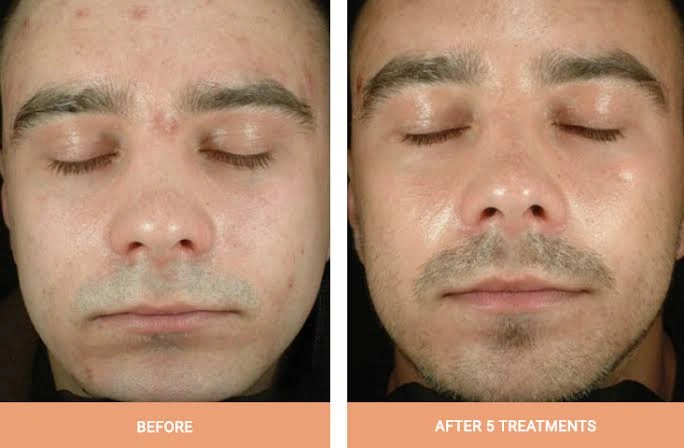
PDT can clear many actinic keratoses and improve the appearance of sun-damaged skin. However, results depend on lesion thickness, the treatment protocol, the treated body site, and individual factors.
Some people need more than one session. Your dermatologist may recommend another treatment after reviewing your response. New lesions can also develop later because previous ultraviolet damage remains.
Photodynamic Therapy Actinic Keratosis is one option among several established treatments. Cryotherapy, prescription creams, and other procedures may be preferable in particular circumstances. No single approach is best for everyone.
Frequently Asked Questions
Is photodynamic therapy safe?
PDT is an established treatment for selected actinic keratoses when performed by trained clinicians. Temporary pain, redness, swelling, and crusting are common. Your clinician will explain less common risks and precautions.
How many sessions will I need?
Some patients improve after one session, while others need repeat treatment. The number depends on the medication, lesion burden, response, and clinic protocol.
Will the treatment leave scars?
Significant scarring is not typical, but pigment changes and occasional scarring can occur. Avoid picking the skin and follow aftercare instructions carefully.
Can actinic keratosis return after PDT?
Yes. Treatment can clear existing lesions, but it cannot erase all previous sun damage. Continue skin checks and sun protection.
When should I contact a dermatologist?
Arrange an assessment for a new or changing lesion, especially if it grows, becomes painful, forms a lump, or repeatedly bleeds. Do not assume that every rough patch is actinic keratosis.
Final Thoughts
Photodynamic therapy offers an effective option for selected cases of actinic keratosis, particularly when several sun-damaged areas require treatment. Understanding the preparation, light exposure, recovery process, and aftercare can help you feel more confident about your appointment.
The most important step is to obtain an accurate diagnosis and follow a personalised treatment plan. Protect your skin from ultraviolet radiation, attend recommended follow-up appointments, and report suspicious changes promptly.
With appropriate medical care and consistent sun protection, you can manage existing lesions and reduce further sun damage.