




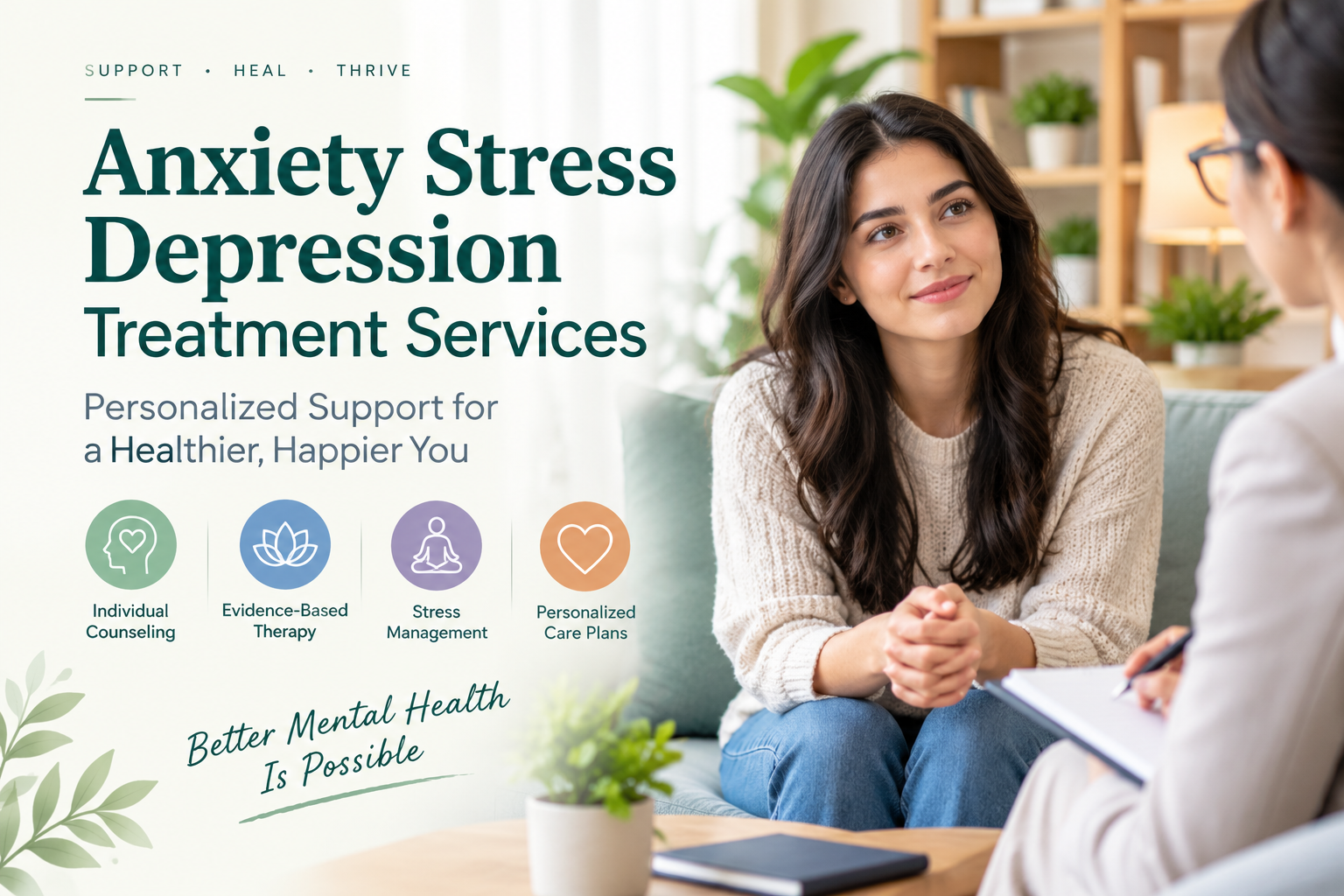
Anxiety stress and depression can influence a person’s thoughts, emotions, behaviour, and ability to cope with everyday demands. Although these experiences are different, they may sometimes occur together and make ordinary activities feel more difficult. Work pressure, family responsibilities, financial concerns, relationship challenges, and major life changes may contribute to emotional distress. Understanding these experiences is an important step toward recognizing personal needs, developing healthier coping strategies, and finding appropriate support.
Emotional wellness does not require a person to feel positive in every situation. Instead, it involves recognizing emotions, adapting to life’s challenges, and understanding when additional support may be necessary. With suitable care and practical lifestyle adjustments, many individuals can learn to manage their symptoms and improve their quality of life.
Understanding the Difference Between Anxiety, Stress, and Depression
Anxiety stress and depression are often discussed together, but each describes a different experience. Recognizing their differences can help people better understand what they are going through.
Anxiety commonly involves persistent worry, nervousness, or fear about situations that may happen in the future. A person might repeatedly think about possible problems, struggle to relax, or experience physical symptoms such as a racing heartbeat and muscle tension. When anxiety becomes intense, continues over time, or interferes with daily activities, professional assessment may be helpful.
Stress is the body’s response to demands, uncertainty, or challenging circumstances. Short-term stress can sometimes encourage people to prepare for an examination, complete a project, or respond to an urgent situation. However, ongoing pressure without sufficient rest or support may contribute to exhaustion, irritability, sleep difficulties, and reduced concentration.
Depression involves more than temporary sadness. It may include persistent low mood, reduced interest in previously enjoyable activities, changes in sleep or appetite, feelings of worthlessness, and difficulty concentrating. These symptoms can affect relationships, work, studies, and everyday responsibilities.
Although these experiences differ, they can overlap. For example, prolonged stress may contribute to anxiety, while someone experiencing depression may also feel worried or overwhelmed. A qualified healthcare professional can help distinguish between these concerns.
Common Signs That Should Not Be Ignored
Anxiety stress and depression may affect individuals in different ways. Some people notice emotional changes first, while others experience physical discomfort or changes in their daily habits.
Common signs may include:
- Frequent worry or difficulty controlling anxious thoughts.
- Feeling overwhelmed by routine responsibilities.
- Persistent sadness, emptiness, or emotional exhaustion.
- Reduced motivation or interest in hobbies.
- Difficulty falling asleep or sleeping excessively.
- Changes in appetite or energy levels.
- Trouble concentrating or making decisions.
- Irritability, restlessness, or withdrawing from social activities.
- Unexplained physical tension, headaches, or stomach discomfort.
Experiencing one or two of these symptoms does not automatically mean a person has a mental health condition. However, symptoms that persist, become more intense, or interfere with daily functioning deserve attention. Physical symptoms should also be assessed appropriately rather than automatically attributed to emotional distress.
Factors That May Affect Emotional Well-Being
Anxiety stress and depression can develop through a combination of personal, environmental, psychological, and biological influences. There is rarely one explanation that applies to everyone.
Workplace demands, academic pressure, financial uncertainty, family conflict, and relationship difficulties may increase emotional strain. Major life transitions, grief, loneliness, and ongoing caregiving responsibilities can also affect a person’s ability to cope.
Sleep disruption and limited opportunities for relaxation may make existing difficulties harder to manage. Some individuals may have a family history of mental health conditions, while medical concerns or certain medications can influence mood and energy levels.
It is important to avoid blaming people for their emotional struggles. These experiences are not simply signs of weakness or a lack of determination. Understanding the circumstances surrounding a person’s symptoms can help identify appropriate forms of care.
Practical Ways to Support Mental and Emotional Health
Managing anxiety stress and depression often involves small, consistent changes rather than trying to solve every problem at once. Practical strategies can support emotional well-being, although they are not a replacement for professional treatment when symptoms are significant.
Create a manageable daily routine. Establishing regular times for meals, sleep, work, and relaxation can provide structure during uncertain periods. Breaking larger responsibilities into smaller tasks may also reduce feelings of being overwhelmed.
Prioritize restorative sleep. A consistent sleep schedule and a comfortable bedtime environment may support mood and concentration. Reducing stimulating activities before bed can be helpful for some people.
Include physical activity. Walking, stretching, cycling, or another enjoyable form of movement may help relieve tension and support general well-being. Choose an activity that fits your abilities and circumstances.
Stay connected with trusted people. Talking with a supportive friend or family member can make difficult experiences feel less isolating. People do not always need immediate solutions; sometimes, having someone listen without judgment is valuable.
Practice calming techniques. Slow breathing, mindfulness, and brief relaxation exercises may help some individuals respond to stressful moments. Different methods work for different people, so it is reasonable to explore what feels comfortable.
Set realistic expectations. Rest, boundaries, and reasonable workloads are important. Recognizing personal limits can help prevent everyday demands from becoming unmanageable.
Professional Treatment and Mental Health Support
When anxiety stress and depression begin affecting everyday life, professional support can provide a clearer understanding of symptoms and possible treatment options. Seeking assistance early may help people address concerns before they become more difficult to manage.
A healthcare professional may ask about emotional symptoms, sleep patterns, medical history, daily routines, and recent life changes. The assessment helps determine whether the symptoms may be associated with anxiety, depression, prolonged stress, another health concern, or a combination of factors.
Depending on individual needs, treatment may include psychotherapy, medication prescribed by an appropriate clinician, or a combination of approaches. Cognitive behavioural therapy (CBT), for example, can help people recognize unhelpful thinking patterns and develop more effective ways to respond to difficult situations.
Treatment should be personalized. Factors such as symptom severity, personal preferences, previous experiences, and other health conditions may influence the recommended approach. Medication should only be used as directed by the prescribing professional, and changes should be discussed with them.
Mental health support is not limited to people experiencing severe symptoms. Speaking with a qualified professional can also help individuals understand recurring worries, improve coping skills, and navigate challenging life circumstances.
When to Seek Urgent Help
Anxiety stress and depression require particular attention when emotional distress becomes overwhelming or a person feels unable to remain safe. Thoughts of suicide, self-harm, or feeling that life is no longer worth living should be taken seriously.
If you or someone you know may be in immediate danger, contact local emergency services or visit the nearest emergency department. Where possible, stay with a trusted person and seek urgent professional assistance. Do not wait for symptoms to resolve on their own when there is an immediate safety concern.
Conclusion
Anxiety stress and depression can influence many aspects of daily life, from sleep and concentration to relationships and personal confidence. Although these experiences may overlap, understanding their differences can help individuals recognize their needs and explore suitable support.
Healthy routines, meaningful social connections, realistic expectations, and relaxation practices can contribute to emotional well-being. When symptoms persist or interfere with daily activities, professional assessment and personalized treatment may offer additional help. Taking emotional health seriously is a positive step toward building resilience, improving daily functioning, and creating a more balanced life.