







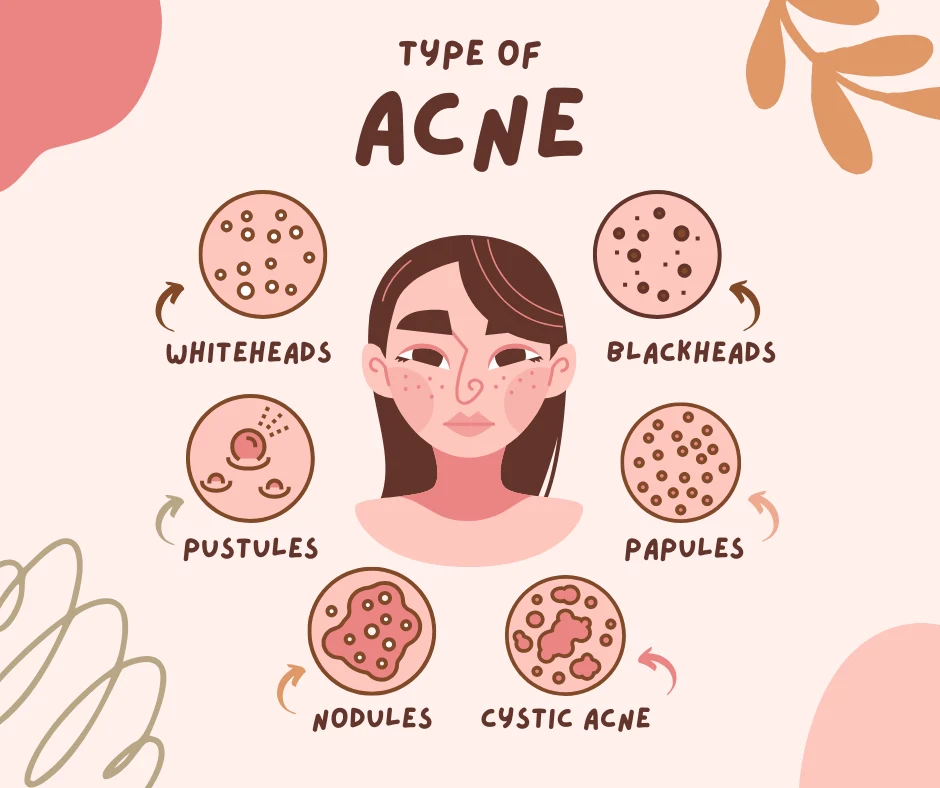
Severe acne can cause more than pimples and oily skin. It can lead to painful breakouts, redness, swelling, dark marks, and permanent scars. When acne affects deeper layers of the skin, it can damage surrounding tissue and leave marks that take months or longer to improve. However, proper skincare, early treatment, and healthy daily habits can help protect your skin and reduce the risk of long-term damage.
People researching severe acne treatment may come across Accufine 40 mg Capsule and Accufine 30 mg when exploring prescription treatment options. Before considering either product, check its active ingredient and formulation with a qualified healthcare professional. If these products contain isotretinoin, a dermatologist may consider them for certain cases of severe acne. The doctor will assess your skin, decide whether treatment is appropriate, and explain the correct use, possible risks, and necessary monitoring.
What Causes Severe Acne Scars?
Acne scars often develop when deep pimples damage the skin. Your body produces collagen to repair damaged tissue, but sometimes it makes too little or too much collagen. This process can create different types of scars.
Common causes of acne scars include:
- Deep inflammation: Large, painful pimples can damage deeper skin tissue.
- Picking and squeezing: Pressing pimples can increase inflammation and damage nearby skin.
- Delayed treatment: Untreated severe acne may increase the risk of permanent scarring.
- Repeated breakouts: Frequent inflammation can affect the same areas of your skin.
- Skin healing problems: Some people naturally develop raised or uneven scars.
Understanding these causes can help you make better skincare choices and prevent further damage.
Best Ways to Prevent Severe Acne Scars
1. Start Acne Treatment Early
Early acne care can help reduce inflammation before it causes deeper skin damage. Do not ignore painful pimples, repeated breakouts, or deep lumps under the skin.
If you notice severe or recurring acne, consult a dermatologist. A professional can identify the type of acne and recommend a suitable treatment plan based on your skin condition.
Early medical attention is especially important if your acne starts leaving marks or scars. Avoid waiting until breakouts spread across your face or body.
2. Avoid Picking or Squeezing Pimples
Picking pimples is one of the habits that can increase skin damage. Squeezing an inflamed spot may injure surrounding tissue and make redness worse. It can also increase the risk of dark marks and permanent scars.
Instead of touching painful spots, keep your hands away from affected areas. Allow your skin to heal and follow your recommended skincare routine.
If a pimple becomes large, painful, or swollen, ask a dermatologist for advice rather than trying to remove it yourself.
3. Follow a Gentle Skincare Routine
A gentle skincare routine helps maintain the skin barrier and reduce unnecessary irritation.
Follow these simple steps:
- Wash your face twice daily with a mild cleanser.
- Use lukewarm water instead of very hot water.
- Avoid rough scrubs and aggressive brushing.
- Apply a lightweight, non-comedogenic moisturiser.
- Pat your face dry with a clean towel.
- Remove makeup before going to bed.
Avoid washing your face too frequently. Excessive cleansing can make your skin dry and uncomfortable. Keep your routine simple and follow it consistently.
4. Protect Your Skin From Sun Damage
Sun exposure can make dark marks left by acne more noticeable. It can also affect sensitive or healing skin.
Apply broad-spectrum sunscreen with SPF 30 or higher every morning. Choose a non-comedogenic formula that suits acne-prone skin. Reapply it according to the product instructions, especially when spending time outdoors.
You can also wear a hat and stay in the shade during strong sunlight. Daily sun protection helps maintain a more even skin appearance and supports long-term skin health.
5. Keep Your Skin Hydrated
Moisturising helps maintain your skin’s natural protective barrier. When your skin becomes very dry, it may feel tight, flaky, and irritated.
Choose a lightweight moisturiser that does not easily block pores. Apply it after cleansing and whenever your skin feels dry.
Avoid using too many skincare products at once. Adding several new products can make it difficult to identify the cause of irritation.
Understanding Accufine 40 mg Capsule and Accufine 30 mg
People with persistent or severe acne may need medical treatment alongside daily skincare. Accufine 40 mg Capsule and Accufine 30 mg are product names that readers may encounter when researching acne care.
Always confirm the active ingredient before making treatment decisions. If the products contain isotretinoin, a dermatologist may prescribe this treatment for selected cases of severe acne that have not improved with other approaches.
Isotretinoin works by reducing oil production in the skin. This can help control the processes that contribute to severe acne and reduce the development of new inflamed breakouts.
However, treatment requires medical supervision. The appropriate strength depends on individual factors such as body weight, acne severity, response to treatment, and possible side effects.
Never start treatment, change your dose, or choose between strengths without consulting your healthcare professional.
Important Safety Precautions During Acne Treatment
Prescription acne treatment requires careful monitoring. If your dermatologist prescribes isotretinoin, follow the instructions and attend all recommended appointments.
Keep these precautions in mind:
- Monitor skin dryness: Dry lips, dry skin, and eye irritation may occur.
- Attend medical check-ups: Your doctor may recommend blood tests and regular monitoring.
- Report unusual symptoms: Discuss severe headaches, vision changes, or significant mood changes with your healthcare professional.
- Avoid unapproved supplements: Do not take vitamin A supplements unless your doctor approves them.
- Follow pregnancy precautions: Isotretinoin can cause severe birth defects and must never be used during pregnancy. Anyone who could become pregnant must follow the required pregnancy-prevention and testing programme.
Do not share prescription treatment with anyone. Your doctor should assess your health and decide whether treatment is suitable.
Daily Habits That Support Healthy Skin
Your everyday habits can support your skincare routine and help maintain healthier-looking skin.
Consider these simple tips:
- Eat a balanced diet with vegetables, fruits, whole grains, and protein.
- Drink enough water throughout the day.
- Maintain a regular sleep schedule.
- Manage stress through walking, exercise, or relaxation.
- Wash pillowcases and towels regularly.
- Remove makeup before sleeping.
- Avoid touching your face unnecessarily.
Notice whether certain foods appear to worsen your acne, but avoid unnecessary food restrictions. Healthy habits can support skin health, although they cannot replace medical treatment for severe acne.
When Should You Visit a Dermatologist?
You should seek professional advice if you experience deep, painful pimples, repeated breakouts, or acne that leaves permanent marks. A dermatologist can assess your skin and recommend suitable treatment to control inflammation and reduce further damage.
Do not delay medical advice if your acne continues to worsen or affects your confidence and emotional well-being. Early care can help reduce the risk of long-term scarring.
Acne Care Information for the UK and Australia
In the UK, people with severe acne can speak with their GP about treatment and possible referral to a dermatologist. In Australia, a GP or dermatologist can assess persistent acne and explain suitable treatment options.
Prescription rules, product availability, and medical monitoring requirements may differ between these countries. Always check local medical guidance before considering prescription acne treatment.
At BuyRxSafe, readers can explore general product information and learn about responsible acne care. Always confirm product details and consult a qualified healthcare professional before starting treatment.
Conclusion
Preventing severe acne scars requires early care, gentle skincare, sun protection, and consistent daily habits. Avoid squeezing pimples, protect your skin from irritation, and seek professional advice when breakouts become painful or persistent.
Accufine 40 mg Capsule and Accufine 30 mg should only be considered after confirming their active ingredients and discussing their suitability with a healthcare professional. With the right treatment plan and regular skin care, you can reduce the risk of further damage and work towards healthier-looking skin.