





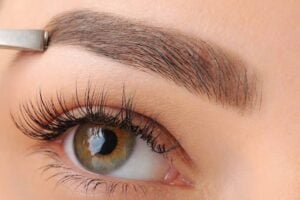

Facial expressions play an important role in communication, personality, and emotional expression. Over time, repeated muscle movements can contribute to the development of expression lines around the forehead, between the eyebrows, and near the outer corners of the eyes. Botox in Dubai is a popular aesthetic treatment that uses botulinum toxin to temporarily reduce the activity of selected facial muscles, helping soften certain expression lines. Before treatment, a detailed facial muscle assessment helps the medical professional understand individual facial movements, muscle strength, and aesthetic preferences. At hortman clinics, personalized consultation can help patients explore appropriate treatment options while maintaining natural facial expression. By evaluating facial anatomy and discussing realistic goals, patients can make informed decisions about their aesthetic treatment.
Understanding Facial Muscle Activity
Facial muscles are responsible for a wide range of movements, including raising the eyebrows, frowning, smiling, and closing the eyes. These movements create natural expressions that differ from one person to another. Some individuals have stronger forehead muscle activity, while others notice more prominent movement between the eyebrows or around the eyes.
Before Botox in Dubai, understanding these individual movement patterns helps determine which muscles may be contributing to visible expression lines. The appearance of wrinkles is influenced by muscle activity, skin elasticity, age, and other personal characteristics. Therefore, treatment planning should consider more than the appearance of the skin at rest.
At hortman clinics, a consultation can provide an opportunity to discuss the facial areas that concern the patient most. Evaluating how the face moves during different expressions helps establish treatment goals that reflect individual needs. This approach supports personalized recommendations rather than applying the same injection pattern to every patient.
Why Facial Assessment Is Important Before Botox
A facial assessment provides essential information for developing an individualized Botox treatment plan. It helps the medical professional understand which muscles are active, how strongly they contract, and how their movements affect the appearance of expression lines. It also allows the practitioner to consider facial symmetry and the relationship between different muscle groups.
For individuals considering Botox in Dubai, this evaluation can help identify whether forehead lines, frown lines, or crow’s feet are suitable treatment targets. The assessment also helps determine whether the patient’s expectations are consistent with what Botox can achieve.
At hortman clinics, discussing facial movement and aesthetic priorities can help establish a clear treatment strategy. Patients can explain whether they prefer subtle softening of expression lines or a more noticeable reduction in muscle-related wrinkles. Careful assessment helps guide appropriate recommendations while preserving the facial characteristics that contribute to an individual’s natural appearance.
Assessing Forehead Muscle Movement
The forehead contains muscles that contribute to raising the eyebrows and creating horizontal forehead lines. The strength and movement of these muscles vary between individuals. Some people naturally raise their eyebrows frequently when speaking, while others display less movement in this area.
During a consultation for Botox in Dubai, the medical professional may ask the patient to raise their eyebrows and relax their forehead. Observing these movements helps reveal the location and intensity of muscle contractions. The position of the eyebrows at rest is also important because forehead muscles contribute to their elevation.
At hortman clinics, evaluating forehead movement can help guide a personalized discussion about suitable treatment areas. The aim is to soften unwanted lines while maintaining an appropriate balance between the forehead muscles and surrounding facial structures. Understanding these relationships helps the practitioner develop a plan based on individual anatomy rather than focusing exclusively on visible wrinkles.
Evaluating Frown Lines and the Glabellar Muscles
Frown lines develop between the eyebrows and are often associated with repeated contraction of the muscles responsible for drawing the eyebrows inward and downward. These movements may become more noticeable when a person concentrates, frowns, or responds to bright light.
Before Botox in Dubai, the medical professional may ask the patient to bring their eyebrows together to observe the muscles involved in creating these lines. The assessment can help distinguish between lines that appear primarily during movement and those that remain visible when the face is relaxed.
At hortman clinics, understanding these differences can support a more individualized treatment discussion. The practitioner can explain how selected muscles contribute to frown lines and discuss an appropriate approach based on the patient’s facial structure. The objective is to improve the appearance of targeted lines without unnecessarily affecting surrounding muscle activity.
Assessing Crow’s Feet and Eye-Area Movement
Crow’s feet are fine lines that appear near the outer corners of the eyes, often becoming more visible when smiling or squinting. These lines are associated with the activity of the muscles surrounding the eyes, as well as changes in skin elasticity over time.
When planning Botox in Dubai, evaluating the eye area involves observing the patient’s natural smile and other facial movements. The medical professional can assess how the muscles contract and discuss whether the visible lines are likely to respond to Botox. Skin texture and lines present at rest may also influence the expected degree of improvement.
At hortman clinics, this assessment can help patients understand the available options for addressing eye-area expression lines. Personalized planning takes into account the patient’s preferences and the importance of maintaining natural smiling and expressive movement. A detailed discussion helps establish realistic goals for a refreshed appearance.
Facial Symmetry and Individual Treatment Planning
Although facial features may appear symmetrical at first glance, subtle differences in muscle strength, eyebrow position, and expression are common. One eyebrow may rise higher than the other, or one side of the forehead may show more movement. These differences can affect the way expression lines develop.
For Botox in Dubai, assessing facial symmetry before treatment helps the practitioner understand the patient’s natural baseline. This information supports individualized decisions about injection placement and the amount of product appropriate for different areas.
At hortman clinics, observing the face both at rest and during movement can help identify natural asymmetry before treatment begins. Discussing these characteristics with the patient also helps establish realistic expectations. The purpose is not necessarily to create perfect symmetry but to achieve a balanced appearance that respects the individual’s facial structure and natural expressions.
Creating a Personalized Botox Treatment Plan
Once the facial assessment is complete, the medical professional can use the findings to develop a treatment plan. This may include identifying the muscles to be treated, discussing the intended degree of muscle relaxation, and explaining the expected timeline for results.
Patients considering Botox cost in Dubai should have an opportunity to discuss their preferences, including whether they want to preserve noticeable forehead movement or soften particular expression lines. Previous treatments, relevant medical history, and individual facial characteristics may also inform the recommendation.
At hortman clinics, a personalized consultation encourages clear communication between the patient and practitioner. Understanding the proposed injection areas and the purpose of treatment helps patients make informed choices. Follow-up assessment may also be useful for reviewing the outcome and determining whether future treatment adjustments are appropriate.
Botox cost in Dubai: Understanding Personalized Treatment
When researching Botox cost in Dubai, patients should understand that treatment requirements vary according to the areas being addressed and the individual’s facial muscle activity. The number of treatment areas, the amount of product recommended, and the overall treatment plan may influence the services required.
A consultation provides an opportunity to clarify the recommended treatment areas, the intended outcome, and the details of the proposed service. Patients should ask for clear information about what their treatment includes before proceeding.
At hortman clinics, discussing the treatment plan alongside the facial assessment can help patients understand why particular areas may be recommended for treatment. This individualized approach keeps the focus on appropriate treatment selection, personal aesthetic goals, and clear communication throughout the consultation.
Conclusion
Facial muscle assessment is an important step in developing a personalized Botox treatment plan. By evaluating forehead movement, frown lines, crow’s feet, and facial symmetry, the medical professional can better understand individual anatomy and identify suitable treatment areas. Botox in Dubai can help soften selected expression lines when treatment is planned according to the patient’s needs and realistic expectations. Individuals researching Botox cost in Dubai should also seek clear information about their proposed treatment and the services involved. At hortman clinics, a customized consultation can help patients understand their options and work toward a refreshed appearance while maintaining natural facial expression.
FAQs
1. Why is facial muscle assessment important before Botox?
Facial muscle assessment helps identify the muscles responsible for expression lines and evaluates how they move. This information supports personalized treatment planning and helps the practitioner select appropriate treatment areas.
2. Which facial areas are commonly assessed before Botox in Dubai?
Common areas include the forehead, the region between the eyebrows, and the outer corners of the eyes. The assessment depends on the patient’s concerns, facial movements, and aesthetic goals.
3. Does Botox treatment affect natural facial expressions?
Botox temporarily reduces activity in selected muscles. Appropriate treatment planning aims to soften targeted lines while preserving natural expression, although the outcome depends on individual anatomy and the treatment approach.
4. What factors influence Botox cost in Dubai?
Treatment areas, the amount of product recommended, individual muscle activity, and the proposed treatment plan may influence the overall service. Patients should clarify the details of their recommended treatment during consultation.
5. How long does it take to see Botox results?
Results generally begin to appear within several days, with the full effect commonly developing over approximately one to two weeks. The timing and duration can vary depending on the individual and the treatment area.