






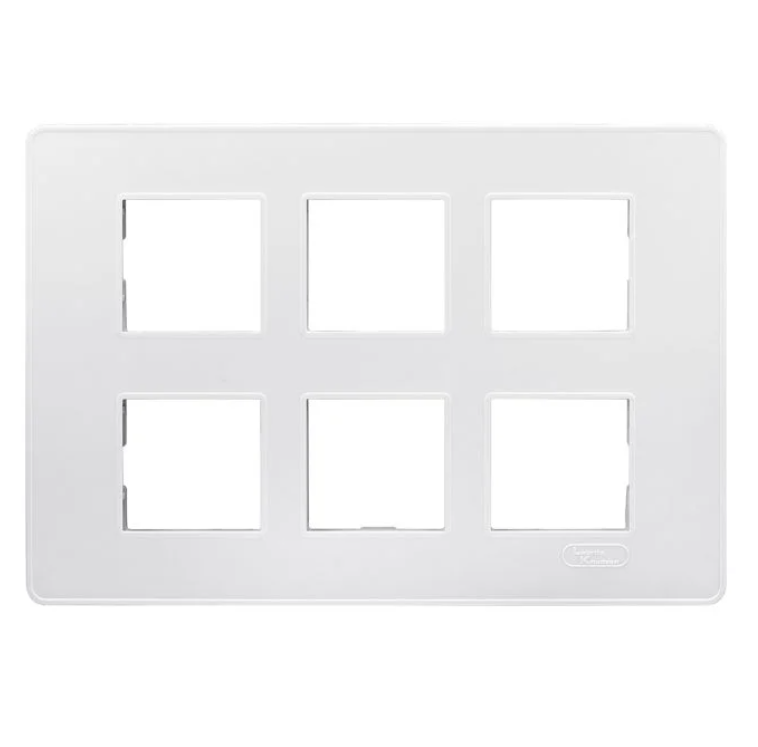
A dimmer switch allows compatible lighting to operate at different brightness levels, helping a room serve several purposes without changing the entire lighting setup. Performance depends on the lamp, dimmer technology, total connected load, and wiring arrangement. A product that works well with one light source may flicker or produce noise with another. Before buying, identify the exact lamp type and the desired control range. Lauritz Knudsen Smartshop can help users explore electrical accessories, but compatibility should always be verified from product documentation.
Plan the Installation Before Comparing Products
Consider where dimming will be useful, such as a living room, bedroom, dining area, or presentation space. Check whether one dimmer will control a single lamp, a group of fittings, or a multi-way circuit. Add together the connected lamp loads and compare the result with the dimmer’s permitted range. LED drivers can have different electrical characteristics, so a low wattage does not automatically guarantee compatibility.
Write down the relevant ratings, physical constraints, and operating conditions before comparing model numbers. This makes product comparisons more meaningful and helps prevent a mismatch between the accessory and the equipment it is intended to serve.
Priorities for Smooth Dimming
For lighting control, smooth adjustment across the intended brightness range matters as much as the maximum load rating. Check lamp compatibility and the minimum load before deciding which dimmer offers the best fit.

What a Dimmer Switch Does
A dimmer switch adjusts the brightness of compatible lighting, allowing users to change the atmosphere and light level for different activities. It may also help reduce energy use in suitable installations, depending on the lamp, dimmer technology, and operating conditions.
Not every lamp is dimmable. Check the lamp and dimmer documentation before purchase, particularly when using LED lighting.
Lamp Compatibility Checks
- Confirm that each connected lamp is dimmable.
- Check the load range and control technology.
- Test for flicker, buzzing, and smooth adjustment.
Compatibility With Different Lamps
Dimming performance depends on the control technology and the electronics inside the lamp. A mismatch can cause flickering, buzzing, limited adjustment, or failure to turn off cleanly.
Use a dimmer designed for the connected lamp type and within its minimum and maximum load limits. Do not assume that a dimmer suitable for incandescent lamps will work well with every LED product.
Lamp Compatibility Checks
- Confirm that each connected lamp is dimmable.
- Check the load range and control technology.
- Test for flicker, buzzing, and smooth adjustment.
Practical Benefits and Trade-Offs
A dimmer can make a room more flexible by allowing lower light levels for relaxing and brighter light for tasks. However, it may add cost, require compatible wiring, or limit the types and number of lamps that can be connected.
Some smart dimmers also depend on a compatible platform or network. Consider whether app control, schedules, or scenes are genuinely useful for the room.
Installation Suitability Checks
- Confirm that each connected lamp is dimmable.
- Check the load range and control technology.
- Test for flicker, buzzing, and smooth adjustment.
Installation and Safety
Dimmer switches are installed in fixed wiring and should be fitted by a qualified electrician. The installer should verify the circuit, connected load, wiring arrangement, and manufacturer’s instructions.
Unusual heat, noise, flickering, or a burning smell should be investigated. Turn off the affected circuit where safe to do so and seek professional assistance rather than continuing to use a faulty accessory.
Installation Suitability Checks
- Confirm that each connected lamp is dimmable.
- Check the load range and control technology.
- Test for flicker, buzzing, and smooth adjustment.
Choosing a Dimmer and Matching Accessories
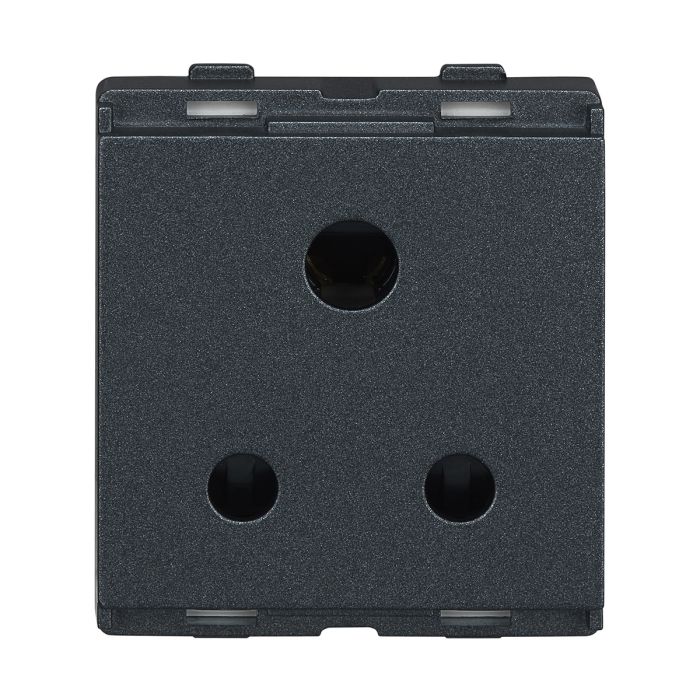
Check the dimmer’s load rating, supported lamp types, control style, dimensions, and compatibility with the plate or switch series. Modern switches and sockets should fit the installation and maintain the required electrical ratings.
Lauritz Knudsen Smartshop can be used to explore electrical accessories. Verify the product specifications and installation requirements before buying.
Lamp Compatibility Checks
- Confirm that each connected lamp is dimmable.
- Check the load range and control technology.
- Test for flicker, buzzing, and smooth adjustment.
Mistakes That Can Lead to Poor Performance or Unsafe Selection
The most common problem is pairing a dimmer with lamps that are not designed for dimming. Symptoms may include flickering, buzzing, uneven brightness, a narrow adjustment range, or lights that remain faintly illuminated when switched off. Do not assume that every LED dimmer supports every LED lamp. A second mistake is exceeding the load rating or installing a dimmer in a box that does not provide the required space or heat dissipation.
If a device trips repeatedly, overheats, makes unusual noise, or shows visible damage, stop relying on it until the cause has been checked. Never bypass protection or work on energised fixed wiring.
Final Checks Before Purchase and Installation
Look for explicit compatibility information for the lamp technology, minimum and maximum load, control method, and wiring configuration. If several lamps are controlled together, check the manufacturer’s guidance on the number and type of drivers. A sample test can help confirm smooth operation before a larger installation. Any changes to fixed wiring should be carried out by a qualified electrician.
Lighting performance and expectations
Some lamps have a narrow usable dimming range, even when they are labelled dimmable. The lamp and dimmer manufacturers’ compatibility information can help avoid a combination that flickers or fails to reach the desired low-light level.
If several lamps share one dimmer, calculate the total load and confirm that each lamp is compatible with the same control. Mixing different lamp types can produce uneven performance.
Quick checklist
- Check dimming range and load limits
- Use compatible lamps on a shared control
- Test the combination before fitting multiple rooms
Conclusion
A dimmer switch is useful when it matches the lamp and circuit. Check compatibility, load limits, and installation requirements first, and choose coordinated accessories without compromising electrical safety.