







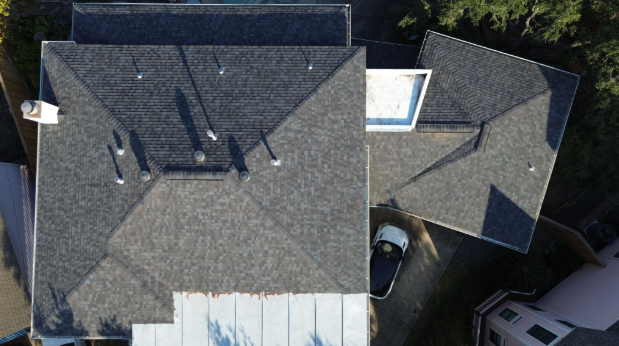
A damaged or aging roof can create serious problems for homeowners, especially in areas that experience heavy rainfall, strong winds, and prolonged exposure to sunlight. Asphalt shingles are among the most widely used residential roofing materials in the United States because of their affordability, versatility, and relatively straightforward installation. However, even a properly installed asphalt roof eventually requires maintenance, repairs, or replacement.
Understanding when to consider asphalt roofing services can help homeowners address minor roofing problems before they become more expensive. From identifying damaged shingles to evaluating the overall condition of a roof, knowing the difference between repair and replacement is essential for maintaining a safe and weather-resistant home.
What Are Asphalt Roofing Services?
Asphalt roofing services include inspections, installation, maintenance, repairs, and replacement of asphalt-based roofing systems. For residential properties, these services commonly involve asphalt shingles made from fiberglass reinforcement, asphalt coatings, and protective mineral granules.
Asphalt shingles are available in several styles, including traditional three-tab shingles and architectural shingles.
Three-tab shingles typically have a flatter appearance and a simpler construction. Architectural shingles use multiple layers or laminated construction to create a dimensional appearance and may offer improved wind resistance, depending on the product.
Professional roofing work also involves inspecting components beneath and around the shingles, including underlayment, flashing, roof decking, and ventilation systems.
What Are the Signs Your Asphalt Roof Needs Repair?
Roofing damage is not always immediately visible from inside a property. Regular visual inspections can help homeowners recognize early warning signs.
Missing or Damaged Shingles
Strong winds can loosen or remove shingles, exposing underlying roofing materials to moisture.
Cracked, torn, or missing shingles may require replacement to restore the roof’s protective covering.
Curling or Buckling Shingles
Shingles that curl at the edges or appear uneven may indicate aging, ventilation problems, moisture exposure, or installation issues.
When these conditions affect a small section of the roof, localized repairs may be possible.
Excessive Granule Loss
Asphalt shingles contain mineral granules that help protect the asphalt from ultraviolet exposure.
Some granule loss is normal as shingles age. However, widespread bare patches or substantial granule accumulation in gutters can indicate deterioration.
Water Stains and Interior Leaks
Water stains on ceilings or walls may indicate roof leaks, damaged flashing, or moisture entering through roof penetrations.
Because water can travel along structural components before becoming visible indoors, the source of a leak may not be directly above the stain.
When Should You Repair an Asphalt Roof Instead of Replacing It?
Repairing a roof is often appropriate when damage is limited and the remaining roofing system is in good condition.
For example, replacing several missing shingles or repairing damaged flashing may resolve localized problems without requiring complete roof replacement.
Homeowners should consider the following factors:
- The age and overall condition of the roof.
- Whether damage affects one area or multiple sections.
- The condition of the underlying roof decking.
- The frequency of previous repairs.
- The availability of compatible replacement shingles.
- The expected remaining service life of the roofing system.
Professional asphalt roofing services can help determine whether localized repairs are sufficient or whether underlying deterioration requires more extensive work.
A relatively new roof with minor storm damage may be a good candidate for repair. However, repeated leaks, widespread shingle deterioration, or significant decking damage may make replacement a more practical option.
How Long Does an Asphalt Shingle Roof Last?
Asphalt roof lifespan depends on the shingle type, installation quality, climate, ventilation, and maintenance history.
Many conventional asphalt shingle roofs last approximately 15 to 30 years, although actual service life can fall outside that range.
Architectural shingles may last longer than basic three-tab products under comparable conditions, but manufacturer warranty periods should not be interpreted as guaranteed roof lifespans.
In Houston, roofing materials face several environmental challenges:
High temperatures: Prolonged heat exposure can contribute to the gradual aging of asphalt roofing materials.
Strong sunlight: Ultraviolet radiation can deteriorate exposed materials over time.
Heavy rainfall: Poor drainage, damaged flashing, or installation defects can increase the risk of moisture intrusion.
Severe storms: Wind and hail may damage shingles, loosen roofing components, or reduce the effectiveness of protective layers.
The Insurance Institute for Business & Home Safety has also identified shingle sealant strength as an important factor in resisting wind damage, particularly after hail exposure.
What Happens During Asphalt Roof Replacement?
A complete roof replacement generally involves several stages designed to restore the roofing system’s protective performance.
1. Initial Roof Inspection
The roofing contractor examines visible shingles, flashing, roof penetrations, ventilation, and the condition of accessible structural components.
The inspection helps identify damage and determine the necessary scope of work.
2. Removal of Existing Roofing Materials
Depending on the project and applicable building requirements, existing roofing materials may need to be removed.
Removing old shingles allows the contractor to inspect the underlying decking for deterioration, moisture damage, or other problems.
3. Decking and Underlayment Preparation
Damaged decking sections are repaired or replaced where necessary.
Suitable underlayment is then installed to provide an additional protective layer beneath the shingles.
4. Shingle Installation
Roofing professionals install the selected shingles according to manufacturer instructions and applicable building codes.
Correct fastening, alignment, flashing, and ventilation details are important for long-term performance.
5. Final Inspection and Cleanup
The completed roof should be inspected for installation defects, exposed fasteners, flashing problems, and other potential issues.
The work area should also be cleared of discarded materials and roofing debris.
How Can Homeowners Extend the Life of an Asphalt Roof?
Preventive maintenance plays an important role in reducing avoidable roofing problems.
Homeowners can help preserve their roofing systems by keeping gutters clear, trimming branches that may contact the roof, and arranging inspections after significant storms.
Attic ventilation should also be evaluated when moisture accumulation or excessive heat becomes a concern.
It is important to avoid unnecessary foot traffic on shingles because improper walking can damage roofing materials and create safety risks.
Scheduling periodic asphalt roofing services can help identify issues such as loose flashing, deteriorated sealants, and minor shingle damage before they affect larger sections of the roof.
Homeowners should leave elevated inspections and repairs to qualified professionals rather than climbing onto potentially damaged roofing surfaces.
What Should You Consider When Hiring a Roofing Contractor?
Selecting a qualified roofing contractor is important for both repair and replacement projects.
Homeowners should request a written estimate explaining the materials, labor, anticipated project scope, and any additional charges.
It is also advisable to review insurance coverage, relevant experience, warranty terms, and applicable local licensing or registration requirements.
An experienced roofing company in Houston should understand regional weather conditions, local building requirements, and the importance of appropriate wind-resistant installation methods.
Comparing several estimates can help homeowners understand differences in proposed materials, installation procedures, and warranty coverage.
The lowest estimate is not necessarily the best option if it excludes important roofing components or necessary preparation work.
Conclusion
Asphalt shingles provide an accessible and versatile roofing solution for residential properties, but their performance depends on proper installation, suitable materials, and ongoing maintenance. Recognizing warning signs such as missing shingles, repeated leaks, and widespread surface deterioration can help homeowners make informed decisions about roofing repairs. Choosing appropriate asphalt roofing services also requires evaluating the roof’s age, overall condition, and exposure to local weather conditions. A detailed inspection can help determine whether targeted repairs will provide sufficient protection or whether replacement offers better long-term value. By addressing roofing problems early and maintaining critical components, homeowners can reduce avoidable damage, protect their property’s structure, and support the long-term performance of their asphalt roofing system.