






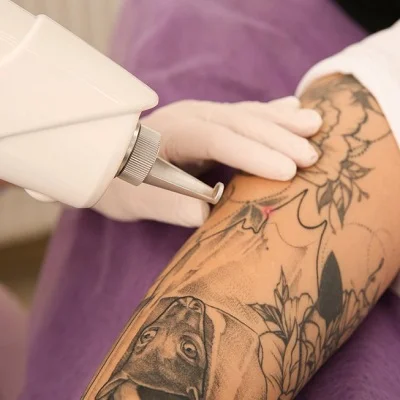
Old tattoos may hold memories of the past, but personal preferences and lifestyles can change over time. A design that once felt meaningful may no longer reflect someone’s identity or aesthetic choices. Whether an old tattoo has faded naturally, become less appealing, or needs to be lightened for a new design, modern laser technology offers an effective approach to reducing unwanted tattoo pigment. Laser Tattoo Removal Abu Dhabi is a treatment option designed to target unwanted ink beneath the skin while supporting the skin’s natural recovery process.
Understanding how laser tattoo removal works can help individuals make informed decisions about the treatment. The procedure uses controlled laser energy to break tattoo pigments into smaller particles, allowing the body’s natural processes to gradually eliminate them. Several factors, including ink colour, tattoo age, pigment depth, and individual skin characteristics, can influence the treatment process.
Understanding How Old Tattoo Ink Remains in the Skin
Tattoo ink is deposited into the dermis, which is the deeper layer of the skin. Unlike temporary markings, tattoo pigments remain in this layer because the particles are too large for the body to remove completely through its ordinary processes.
Over time, tattoos may appear lighter because of natural skin renewal, environmental exposure, and changes in pigment visibility. However, fading does not necessarily mean that the ink has disappeared.
Older tattoos can contain different pigment concentrations depending on their original application. Some designs may have evenly distributed ink, while others may feature darker sections or overlapping colours. These differences can influence how laser energy interacts with the tattoo.
Laser treatment is designed to address these remaining pigment particles without requiring the entire tattoo to be removed through a surface-based procedure.
How Laser Tattoo Removal Abu Dhabi Targets Old Ink
Laser tattoo removal works by delivering concentrated pulses of light energy into the tattooed area. The laser targets specific pigment colours, producing a rapid heating effect that breaks larger ink particles into smaller fragments.
These smaller particles can then be gradually processed and eliminated by the body’s natural immune system.
The treatment focuses on tattoo pigment rather than removing the surrounding skin. Different laser settings may be selected according to the tattoo’s colour, depth, and characteristics.
During Laser Tattoo Removal Abu Dhabi, the treatment approach is generally adjusted to suit the individual’s tattoo and skin type. This personalised approach helps ensure that the laser energy is directed towards the intended pigment.
Because tattoo ink is located beneath the skin’s surface, complete removal usually requires multiple treatment sessions rather than a single appointment.
Why Older Tattoos May Respond Differently to Laser Treatment
The age of a tattoo can influence its response to laser removal. Older tattoos sometimes become lighter naturally as the body gradually processes small amounts of pigment over time.
This natural fading may make certain older tattoos easier to target compared with newer designs containing dense pigment. However, tattoo age alone does not determine how effectively the ink can be removed.
The original tattooing technique, pigment composition, ink density, and depth all contribute to the treatment response.
Some older tattoos contain stubborn pigment that remains visible despite years of fading. In these situations, laser treatment may help break down the remaining ink particles gradually.
The treatment plan should therefore consider the tattoo’s current appearance rather than relying only on how long ago it was created.
Which Tattoo Colours Can Laser Treatment Address?
Tattoo colour is an important consideration when planning laser removal. Different pigments absorb different wavelengths of laser energy, meaning that some colours may respond more easily than others.
Black and dark blue pigments generally absorb laser energy effectively. This can make them more responsive to treatment compared with certain lighter colours.
Red, orange, and other coloured pigments may require different laser wavelengths to achieve an appropriate response. Green, turquoise, and lighter shades can sometimes be more challenging because their pigments interact differently with laser energy.
Multicoloured tattoos may require adjustments throughout the treatment process to address their individual pigment shades.
Understanding the colours present in an old tattoo helps determine which laser approach may be appropriate.
What Happens During a Laser Tattoo Removal Session?
The treatment process generally begins with an assessment of the tattooed area. Its size, colour, location, age, and pigment density are considered when determining the appropriate approach.
The treatment area is prepared before laser energy is applied. Protective eyewear is used to protect the eyes during the procedure.
A specialised laser device delivers short pulses of energy to the tattoo pigment. Individuals may experience a brief snapping or tingling sensation during treatment.
The duration of a session depends on the tattoo’s size and complexity. Smaller tattoos may require less treatment time, while larger or more detailed designs can take longer.
Once the session is complete, the treated area is assessed, and appropriate aftercare instructions are provided.
How Many Sessions Are Needed to Remove Old Tattoo Ink?
Tattoo removal is generally a gradual process. Multiple sessions are often needed because laser energy breaks down pigment in stages, allowing the body time to process the smaller particles between appointments.
The number of sessions varies according to several factors, including tattoo size, ink colour, pigment depth, skin characteristics, and the amount of ink remaining.
A small, lightly pigmented tattoo may respond differently from a large design containing several layers of dark ink.
The spacing between sessions is also important. Allowing sufficient recovery time gives the body an opportunity to process fragmented pigment and allows the treated skin to recover.
Consistent treatment planning helps support gradual fading while taking individual skin recovery into consideration.
Factors That Influence Laser Tattoo Removal Results
Several characteristics can affect the progress of tattoo removal. Understanding these factors helps establish realistic expectations.
Tattoo Age and Ink Density
Older tattoos may have experienced natural fading, reducing the amount of visible pigment. However, densely applied ink can remain challenging even after many years.
Tattoo Size and Location
Larger tattoos generally require more treatment time because they contain a greater area of pigment. Tattoo location can also influence the body’s ability to process fragmented ink.
Pigment Colour and Composition
Different ink colours respond to different laser wavelengths. The composition of the original tattoo pigment can also influence the overall treatment response.
Individual Skin Characteristics
Skin tone, sensitivity, and natural recovery patterns are important considerations when selecting suitable treatment settings.
Time Between Sessions
Allowing appropriate intervals between appointments supports the body’s natural pigment-clearing process and gives the skin time to recover.
What Happens to the Skin After Laser Tattoo Removal?
After laser treatment, the treated area begins its natural recovery process. The skin may temporarily appear different as it responds to the laser energy.
The body’s immune system gradually processes the fragmented tattoo pigment. Visible fading may become more noticeable over the weeks following each session rather than immediately after treatment.
Following the recommended aftercare instructions is important for supporting skin recovery. Keeping the treated area clean, protecting it from excessive sun exposure, and avoiding unnecessary irritation can help maintain appropriate healing conditions.
The skin’s recovery timeline varies between individuals, so patience is an important part of the overall process.
Can Laser Tattoo Removal Prepare an Old Tattoo for a Cover-Up?
Some individuals do not want complete tattoo removal but prefer to lighten an existing design before getting a new one.
Laser treatment can help reduce the visibility of unwanted pigment, creating a lighter base for a potential cover-up design.
This approach may be useful when an existing tattoo is too dark or visually prominent for the intended replacement artwork.
The degree of fading required depends on the new design, the original tattoo’s colours, and the amount of pigment remaining.
A gradual treatment approach can help achieve the desired level of lightening before considering another tattoo.
Setting Realistic Expectations for Old Tattoo Removal
Although laser technology can significantly reduce unwanted tattoo ink, results differ from person to person. Complete removal cannot be guaranteed in every situation.
Some tattoos may fade considerably, while others retain small amounts of pigment after several sessions. Ink composition, depth, density, and skin response all influence the final appearance.
Individuals should understand that tattoo removal is a progressive process rather than an immediate transformation.
A suitable treatment assessment helps identify realistic goals and establish an approach based on the tattoo’s characteristics.
Conclusion
Laser Tattoo Removal Abu Dhabi offers a modern approach to reducing unwanted ink from old tattoos through targeted laser technology. By breaking tattoo pigment into smaller particles, the treatment allows the body’s natural processes to gradually clear the remaining ink.
Tattoo age, pigment colour, ink density, and individual skin characteristics all influence the treatment journey. With appropriate assessment, realistic expectations, and sufficient recovery time between sessions, individuals can work towards achieving a lighter or less noticeable tattoo appearance.
FAQs
Can Laser Tattoo Removal Abu Dhabi Remove Very Old Tattoos?
Yes, laser tattoo removal can help reduce pigment in very old tattoos. The results depend on the tattoo’s ink colour, density, depth, and current condition.
Does Older Tattoo Ink Disappear More Easily?
Some older tattoos may respond well because they have already experienced natural fading. However, older age does not automatically guarantee easier removal.
How Does Laser Technology Break Down Tattoo Pigment?
Laser energy targets tattoo ink and breaks larger pigment particles into smaller fragments. The body’s natural immune system gradually processes these fragments.
How Many Sessions Are Required for Old Tattoo Removal?
The number of sessions varies according to tattoo size, colour, ink density, and individual skin characteristics. Multiple appointments are generally needed for gradual fading.
Can Laser Treatment Remove Black Tattoo Ink?
Black ink generally responds well to laser treatment because it absorbs laser energy effectively. The overall results still depend on pigment depth and density.
Can Coloured Tattoos Be Treated With Laser Technology?
Yes, different laser wavelengths can target different tattoo colours. Some lighter shades may require a more specialised treatment approach.
Can Laser Tattoo Removal Lighten a Tattoo for a Cover-Up?
Yes, laser treatment can reduce the visibility of an existing tattoo, potentially making it easier to incorporate a new design.
Does Tattoo Removal Happen Immediately?
No, tattoo removal is gradual. The body needs time to process fragmented pigment after each treatment session, so visible fading develops progressively.
Is Every Old Tattoo Suitable for Laser Removal?
Many tattoos can be assessed for laser treatment, but suitability depends on factors such as skin characteristics, ink composition, tattoo location, and medical history.
Why Is Recovery Time Important Between Sessions?
Recovery time allows the skin to heal and gives the body’s natural processes time to eliminate fragmented tattoo pigment before another session.