






Osteoporosis is a condition in which bones become weaker and more likely to fracture. It can affect anyone, but the risk increases in women after menopause because the decline in oestrogen can accelerate bone loss.
Bone is living tissue that is continuously broken down and rebuilt. Before menopause, oestrogen helps regulate this process and supports bone strength. When oestrogen levels fall during and after menopause, bone breakdown can occur faster than bone formation, leading to a reduction in bone density over time.
Lucknow is a popular destination for women’s healthcare treatments and services due to its medical advancement in recent years and growing number of gynaecologist clinics. Searching for “gyn dr near me” in Lucknow will help you connect with professionals who can guide you through osteoporosis.
Why Does Osteoporosis Risk Increase After Menopause?
The major cause of increased bone loss after menopause is the decline in oestrogen levels. Oestrogen helps limit the activity of cells that break down bone. When oestrogen levels decrease, bone resorption can increase, particularly during the first several years after menopause. This can result in faster loss of bone mineral density.
Other factors can also influence osteoporosis risk, including:
- Increasing age
- Family history of osteoporosis or hip fracture
- Low body weight
- Previous fractures
- Smoking
- Excessive alcohol consumption
- Low calcium or vitamin D intake
- Lack of weight-bearing physical activity
- Certain medical conditions
- Long-term use of medicines such as glucocorticoids
Symptoms and Complications of Osteoporosis
Osteoporosis is often called a “silent” condition because bone loss itself usually does not cause pain or obvious symptoms. As bone strength decreases, fractures can occur more easily. Osteoporosis commonly affects the:
- Hip
- Spine
- Wrist
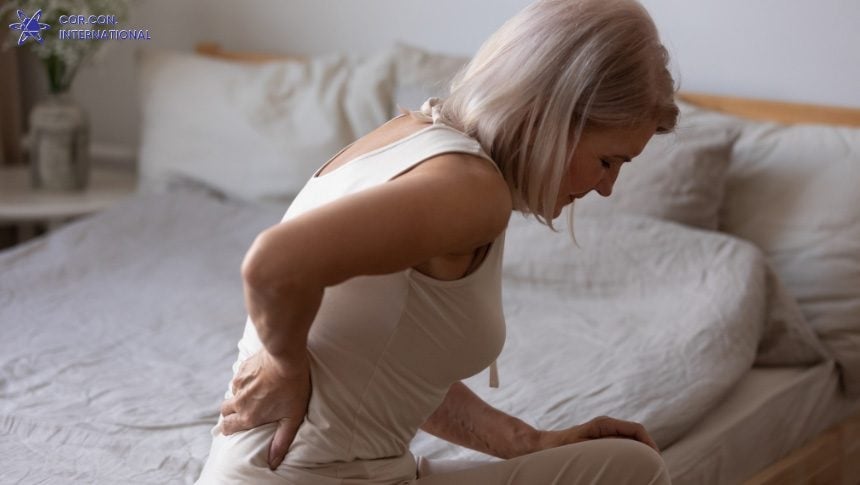
Fractures of the spine can cause back pain, loss of height or a curved upper back. A hip fracture can significantly affect mobility and independence and may require hospital treatment.
Preventing Bone Loss After Menopause
Some bone loss after menopause is a normal consequence of ageing and hormonal changes, but lifestyle measures can help maintain bone health, such as:
-
Get Enough Calcium
Calcium is essential for maintaining normal bones. Good dietary sources of calcium include dairy products, calcium-fortified foods, certain leafy green vegetables, tofu made with calcium, and some fish eaten with their edible bones. The amount of calcium needed varies depending on age and individual circumstances.
-
Maintain Adequate Vitamin D
Vitamin D helps the body absorb calcium and supports normal bone health. Vitamin D can be obtained through certain foods, supplements when needed and exposure to sunlight. People with limited sun exposure or other risk factors for vitamin D deficiency may need assessment and supplementation according to medical advice.
-
Perform Weight-Bearing and Resistance Exercise
Regular physical activity helps maintain bone and muscle strength. Weight-bearing activities, such as brisk walking, and resistance exercises, such as strength training, can support bone health. Balance and muscle-strengthening exercises are also useful because reducing the risk of falls can help reduce fracture risk.
-
Avoid Smoking and Excessive Alcohol
Smoking is associated with reduced bone health and increased fracture risk. Excessive alcohol consumption can also contribute to bone loss and falls. Avoiding smoking and limiting alcohol are important parts of maintaining healthy bones.
-
Prevent Falls
Fall prevention becomes increasingly important with age. Keeping walkways clear, using adequate lighting, wearing appropriate footwear and addressing vision or balance problems can help reduce the risk of falls.
For proper treatment, book a consultation with the best gynecologist in Gomti Nagar, Lucknow, who will assess your symptoms before providing appropriate treatment.
The Cloudnine Advantage
Cloudnine is among the leading healthcare providers in India with clinics and hospitals in different states. They provide women’s healthcare, including gynaecological care. Their healthcare teams can support women through different stages of life, including the menopausal and postmenopausal years.
Women concerned about bone health after menopause can discuss their risk factors, lifestyle, menopausal symptoms and preventive care with Cloudnine gynaecologists.
Conclusion
Osteoporosis becomes more common after menopause because the decline in oestrogen can accelerate bone loss. Although osteoporosis usually does not cause symptoms until a fracture occurs, its risk can often be reduced through appropriate lifestyle measures and, when necessary, medical treatment.
If you are experiencing symptoms of osteoporosis, search for “gyn dr near me” in Lucknow to connect with professionals like those at Cloudnine. They will assess your symptoms and perform necessary tests to provide appropriate treatment.