




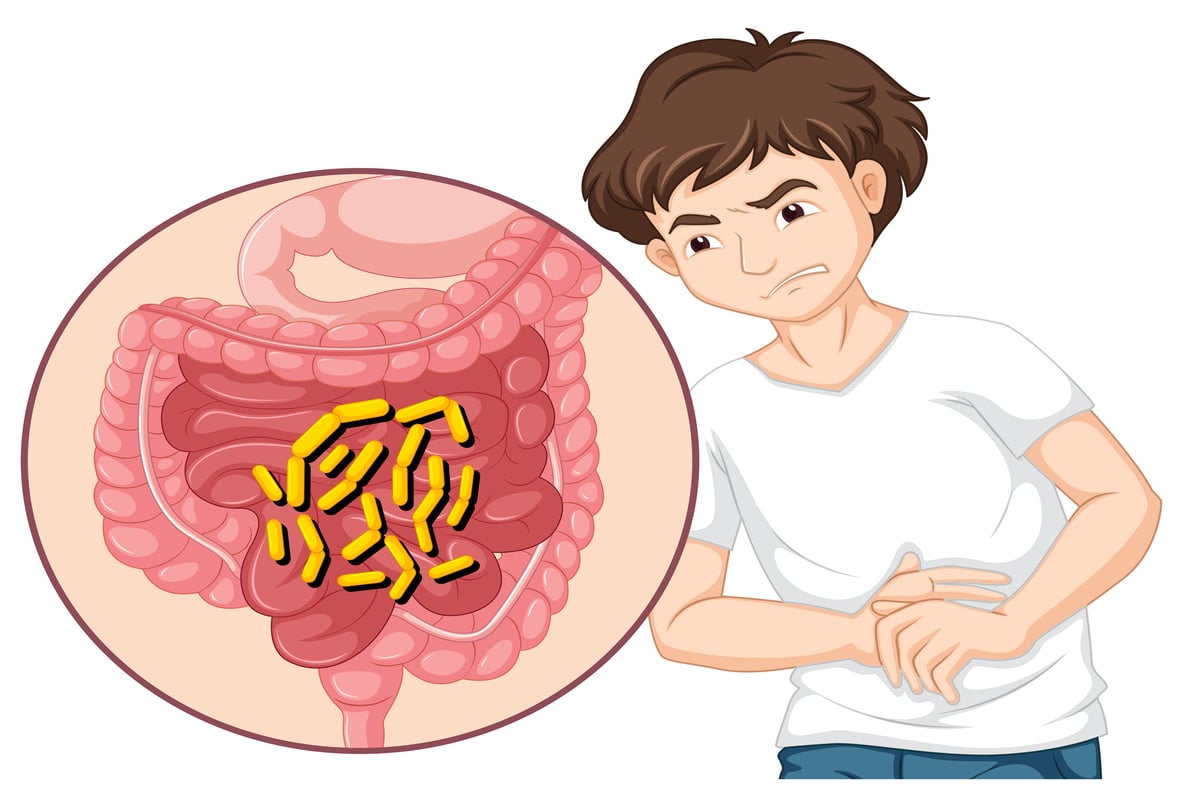
Intestinal parasites are organisms that live in the digestive tract and may cause symptoms such as abdominal discomfort, diarrhea, bloating, and changes in appetite. The appropriate treatment depends on the type of parasite involved. Medicines such as ivermectin and fenbendazole combination packs are sometimes discussed in parasite treatment, but they are not suitable for every infection, and Ivermectin fenbendazole combo pack is primarily a veterinary medicine. Adults should seek medical advice to identify the parasite and choose an appropriate, evidence-based treatment.
1. Recognize the Symptoms of Intestinal Parasites
Symptoms vary depending on the parasite, the severity of the infection, and the person’s overall health. Some people may have no noticeable symptoms, while others experience digestive problems.
Common symptoms include:
- Abdominal pain or cramps
- Diarrhea or loose stools
- Bloating and excess gas
- Nausea or reduced appetite
- Unexplained weight loss
- Fatigue or weakness
- Itching around the anus, particularly with pinworm infections
These symptoms can also occur with other digestive conditions. Therefore, it is important not to assume that intestinal parasites are responsible without appropriate evaluation.
2. Identify the Type of Parasite
The first step toward effective treatment is determining which parasite is causing the infection. Healthcare professionals may recommend stool testing, blood tests, or other investigations depending on the symptoms and possible exposure.
Common intestinal parasites include roundworms, hookworms, whipworms, pinworms, and certain protozoa, such as Giardia. Each organism can respond differently to treatment.
For example, some worm infections respond to albendazole or mebendazole, while other infections require different medicines. Identifying the specific organism helps prevent ineffective treatment and unnecessary medication use.
3. Choose the Appropriate Medication
Treatment depends on the parasite, the person’s medical history, and other individual factors.
Ivermectin is an antiparasitic medicine used for certain infections, including strongyloidiasis and onchocerciasis. It does not treat every intestinal parasite, so it should only be used when appropriate for the diagnosed infection.
Fenbendazole is primarily used in veterinary medicine to treat certain parasitic infections in animals. It is not an established, approved routine treatment for human intestinal parasite infections. Adults should not use veterinary fenbendazole products without guidance from a qualified healthcare professional.
Other medicines, including albendazole, mebendazole, or specific antiprotozoal treatments, may be recommended depending on the diagnosis.
4. Maintain Good Hygiene to Prevent Reinfection
Medication may eliminate a parasite, but good hygiene helps reduce the risk of becoming infected again.
- Wash your hands with soap after using the toilet and before preparing food.
- Wash fruits and vegetables thoroughly.
- Cook meat and seafood to safe temperatures.
- Drink safe, treated water.
- Keep fingernails short and clean.
- Wash bedding, towels, and underwear regularly when advised, especially for pinworm infections.
If a parasite spreads easily between household members, a healthcare professional may recommend additional precautions or treatment for close contacts.
5. Know When to Seek Medical Help
Consult a healthcare professional if digestive symptoms persist, you notice worms in your stool, or you experience unexplained weight loss. Seek prompt medical attention for severe abdominal pain, bloody stools, persistent vomiting, dehydration, or a high fever.
Early diagnosis can help prevent complications and ensure that treatment targets the correct organism.
Conclusion
Getting rid of intestinal parasites in adults starts with identifying the infection and selecting the right medication. Ivermectin and other antiparasitic medicines have specific uses, but no single treatment works against every parasite. Avoid self-medicating with veterinary products, follow professional advice, and maintain good hygiene to support recovery and prevent reinfection.