





Need a tree that stays green year-round, looks graceful, and still earns its place as an attractive privacy screen in your yard? Plenty of plants promise that, though only a handful combine a soft, drooping look with real versatility. One of them is Podocarpus Gracilior, a fine-textured evergreen that suits warm-climate yards, poolside planting, and formal hedges alike. Even so, a good outcome depends on knowing what you are buying: how tall it gets, how much light it wants, and what upkeep to expect. Here is a straightforward look at those questions, plus a short checklist for homeowners comparing options.
What Sets It Apart
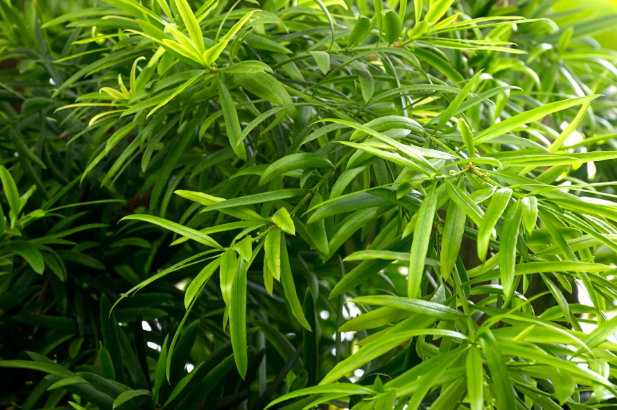
Texture is the first thing people notice. The foliage is slender and slightly weeping, giving the crown a soft, symmetrical look that contrasts nicely with stiffer conifers, and it stays green in every season. It pairs well with both modern and traditional landscapes. Nurseries typically describe the tree as low maintenance, with predictable shaping when it is grown as a hedge or screen. That combination explains why Podocarpus Gracilior appears so often in privacy plantings, borders, and vertical accents. It also produces minimal litter and has non-invasive roots, two traits that matter near pools, patios, and paved areas.
Size and Shape
Plan for height. A mature specimen can reach 30 to 50 feet, with a spread of roughly 25 to 35 feet and a dense, oval-to-vase-shaped crown. Growth is moderate, often cited at around 12 to 24 inches per year, though light, water, and soil all change the pace. A single trunk usually develops and thickens slowly over time. Hedge plants are kept narrower through trimming, so choose the form that matches your goal. Measure your space, then picture the tree at full size rather than the size it arrives in the pot. A larger starting size also shortens the wait for screening.
Where It Grows Best
Light is flexible. The tree adapts to full sun or partial shade. Soil tolerance is wide too, covering clay, sand, and loam, provided the ground drains. Once established, it handles dry spells well, which suits water-conscious yards. Warmth, however, is the limiting factor. University sources list it for USDA zones 10a through 11 and recommend frost protection, so cold-winter regions are a poor match. Check your local frost history before ordering any trees. Low tolerance for salt spray also matters near the coast. For timing, spring or early fall is recommended, giving roots a mild season to settle.
Hedge or Specimen
Purpose shapes the planting plan. Decide on the role first, because it guides everything. As a hedge, the tree forms a dense green wall for privacy and wind reduction. As a border, it frames lawns and driveways. Alone, it becomes a graceful focal point, and as a vertical accent, it draws the eye upward. A Podocarpus Gracilior hedge usually needs regular light trimming to maintain its width, while a specimen can grow largely untouched. Lower branches may droop toward the ground over time, so remove them where visibility or foot traffic matters.
Care at a Glance
Keep this short checklist handy once your tree is in the ground:
- Water young trees consistently until they establish, then reduce frequency.
- Protect against frost, especially during the first winters.
- Prune lightly for shape and remove drooping lower branches as needed.
- Watch for yellowing foliage, which can signal drainage or watering problems.
- Plant new trees in spring or early fall.
Conclusion
The takeaway is simple: match the tree to your climate, give it room to reach its mature size, and keep watering and pruning modest. Do that, and you gain a graceful evergreen that works as a hedge, border, or focal point. Sellers like Plant Clearance offer both hedge and tree forms, and reading each listing closely helps you match form to purpose. A little planning now means fewer surprises as the tree matures.