





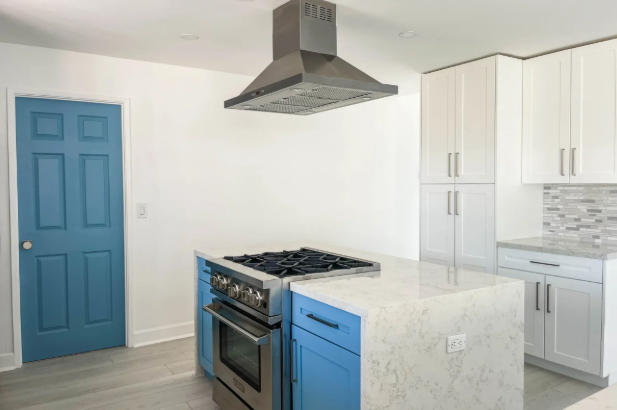
Open-plan kitchens have changed how people cook, entertain, and live in the same space. When the cooktop sits on an island instead of against a wall, smoke, steam, and grease have nowhere to go except into the surrounding room. That is where an island vent hood becomes essential, since it captures rising vapor from above before it drifts toward living areas, furniture, and nearby fabrics. Unlike wall-mounted units, island models have no backsplash to guide airflow, so cross-breezes from doors, windows, and ceiling fans can easily push cooking plumes away from the filters. Understanding this challenge makes it easier to evaluate sizing, power, and installation choices with confidence. Choosing wisely early prevents expensive corrections once cabinets and flooring are already in place. In the sections ahead, we look at how capture works in an open layout, what ceiling and duct conditions affect results, and which habits keep the system working well over time, so your kitchen stays comfortable even during long, busy meals.
Capture Area and Airflow in Open Layouts
Capture performance depends on width, height, and fan strength working together. Because nothing surrounds the cooking surface, an island vent hood should generally be as wide as the cooktop or a few inches wider on each side, which gives the hood room to catch plumes that spread outward. Mounting height usually falls between 30 and 36 inches above the cooking surface, though many manufacturers publish their own range, so always check the installation manual. Airflow is rated in cubic feet per minute, and island units typically need more than wall models because they work against drafts. A common estimate for gas cooktops is 100 CFM for every 10,000 BTU of burner output, with electric surfaces requiring somewhat less. Remember that real-world performance is usually lower than the rating on paper, so a small safety margin is wise. Noise matters too, so look at sone ratings and consider variable speed controls. Higher power often means louder operation, and a unit that is too loud tends to stay switched off. Choosing a balanced rating avoids that problem while still clearing heavy smoke.
Ceiling, Ducting, and Installation Factors
Installation is where island projects differ most from standard setups. The ceiling must support the weight of the hood, so builders often add blocking or framing during construction or renovation. Ducting runs upward through the ceiling or attic, and the shortest, straightest path delivers the best airflow, because every elbow and extra foot adds resistance. Duct diameter should match the manufacturer’s specification, and rigid metal duct is generally preferred over flexible types. For homes with limited venting options, recirculating kits are available, though they cannot remove heat or humidity. An island vent hood also needs a safe distance from lights, sprinklers, and ceiling fans, and tall ceilings may call for a duct cover or extension. Makeup air is another consideration, especially in tightly sealed houses, since strong fans can create negative pressure. Local building codes sometimes require a dedicated makeup air system for high-output units, so confirm requirements with the local authority before ordering equipment or scheduling any structural work.
Conclusion
Regular care keeps performance steady. Metal baffle or mesh filters should be washed monthly in warm, soapy water, while charcoal filters in recirculating units need replacing on the manufacturer’s schedule. Wipe exterior surfaces often, because grease on stainless steel or painted finishes is easier to remove when fresh. Turn the fan on before cooking and let it run for several minutes afterward, which clears lingering moisture and odors. A well-planned island vent hood will serve you reliably when it is sized to the cooktop, mounted at the proper height, and ducted efficiently. If you are weighing flush-mounted designs that disappear into the ceiling, reading transform your kitchen with insert range hoods for island setups offers helpful insight into how insert styles fit different layouts. Before buying, measure your cooktop, check ceiling height, and confirm the CFM and duct size you need. Good ventilation supports healthier indoor air and protects cabinetry and finishes, making it one of the smartest upgrades for any open kitchen.