







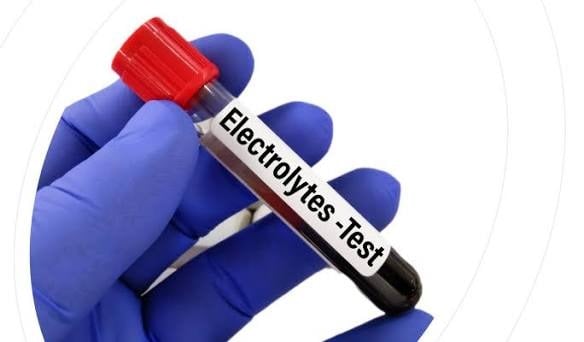
What Is a Serum Electrolytes Test?
A serum electrolytes test is a common laboratory investigation that measures important minerals in the blood. These minerals help the body maintain fluid balance, support nerve communication, regulate muscle movement, and maintain normal heart function. Doctors may recommend this test when a patient experiences certain symptoms or needs monitoring for a medical condition.
People searching for the serum electrolytes test price often want to understand the purpose of the test, what it measures, and how to choose a reliable diagnostic laboratory. Knowing these details can help patients prepare for their laboratory visit and understand why their doctor has recommended the investigation.
Electrolytes are minerals that carry an electrical charge when dissolved in body fluids. The body needs them in appropriate concentrations to perform many essential functions. When electrolyte levels become too high or too low, they can affect several body systems. A serum electrolytes test provides useful information that helps healthcare professionals assess these levels and decide whether further investigation or treatment is necessary.
Serum Electrolytes Test Price and Laboratory Selection
The serum electrolytes test price can vary between diagnostic laboratories because facilities may use different testing systems, equipment, and service arrangements. The type of test requested, the number of electrolytes included, and whether additional investigations are required can also influence the overall testing service.
Patients should confirm the current charges directly with their chosen laboratory before visiting. It is helpful to ask which electrolytes are included in the test and whether the requested investigation is a basic electrolyte panel or part of a broader blood chemistry profile.
When comparing laboratories, price should not be the only consideration. Proper sample collection, trained laboratory staff, quality control procedures, and reliable reporting are also important. A suitable laboratory should explain the test clearly and provide instructions about sample collection and report availability.
Patients in Lahore and other cities of Pakistan can contact nearby diagnostic facilities to confirm whether serum electrolytes testing is available. They should also ask whether a doctor’s prescription is required and whether any preparation is necessary before the sample is collected.
Which Electrolytes Are Measured in This Test?
A serum electrolytes test commonly measures sodium, potassium, and chloride. Some panels also include bicarbonate, which helps assess the body’s acid-base balance. The exact components depend on the laboratory and the test requested by the doctor.
Sodium plays a major role in regulating the amount of water in the body. It supports normal nerve function and helps maintain the balance of fluids inside and outside cells. Abnormal sodium levels can occur for several reasons, including changes in fluid intake, fluid loss, certain medicines, and medical conditions affecting the kidneys or hormones.
Potassium is essential for normal muscle contraction, nerve signalling, and electrical activity in the heart. Both low and high potassium levels can become serious, particularly when the changes are significant. Doctors may monitor potassium levels in patients with kidney problems or those taking medicines that affect potassium balance.
Chloride works alongside sodium and other electrolytes to maintain fluid balance and support the body’s acid-base regulation. Bicarbonate helps the body maintain an appropriate balance between acids and bases. Measuring these substances can provide useful information when investigating dehydration, certain kidney problems, or other conditions affecting the body’s internal balance.
Why Do Doctors Recommend a Serum Electrolytes Test?
Doctors may recommend this investigation when symptoms suggest a possible electrolyte imbalance. These symptoms can include unusual weakness, muscle cramps, nausea, confusion, dizziness, or changes in heartbeat. However, these symptoms can have many causes, so a blood test may be needed to determine whether electrolyte levels are involved.
The test may also be requested when a patient experiences significant vomiting, prolonged diarrhoea, excessive fluid loss, or another condition that could disturb the body’s mineral balance. In these situations, checking electrolyte levels can help a healthcare professional assess the patient’s condition.
Patients with certain kidney conditions may need regular electrolyte monitoring because the kidneys help regulate the concentration of minerals and remove waste products. Doctors may also request the test when reviewing medications that affect fluid balance or kidney function.
In hospitals, serum electrolytes testing is commonly used to monitor patients during treatment or recovery. The results can help clinicians evaluate changes in the body’s chemistry and decide whether further tests or medical intervention are necessary.
Common Symptoms of Electrolyte Imbalance
Electrolyte imbalances can produce different symptoms depending on which mineral is affected and how far its level has moved outside the expected range. Some people experience mild symptoms, while others may develop serious complications.
Low sodium levels may cause nausea, headache, weakness, or confusion. More severe changes can affect the brain and may lead to seizures or reduced consciousness. High sodium levels can also cause problems, including intense thirst, weakness, and neurological symptoms in more serious cases.
Abnormal potassium levels may contribute to muscle weakness, cramps, or irregular heart rhythms. Chloride and bicarbonate changes may occur alongside fluid disturbances or problems involving the body’s acid-base balance.
It is important not to diagnose an electrolyte problem based on symptoms alone. A person may experience weakness or dizziness for reasons unrelated to electrolytes. Medical assessment and appropriate testing help identify the possible cause and determine the next steps.
Severe confusion, fainting, seizures, chest pain, or a suspected dangerous heart rhythm requires urgent medical attention rather than waiting for a routine laboratory appointment.
How Is a Serum Electrolytes Test Performed?
A serum electrolytes test usually requires a blood sample collected from a vein in the arm. A trained healthcare worker cleans the collection area, uses an appropriate needle, and places the blood into a suitable collection tube.
The sample is labelled and sent for laboratory analysis. Depending on the laboratory’s equipment and testing procedures, the electrolytes may be measured using an automated analyser or another validated method.
The collection process generally takes only a short time. Some people experience minor discomfort or bruising at the needle site, but serious complications are uncommon when proper procedures are followed.
After collection, the sample must be handled correctly to support reliable results. For example, damage to blood cells during collection or handling can affect the measured potassium level. Laboratories use sample quality checks and established procedures to help identify problems that could influence the report.
Patients should inform the healthcare worker if they have previously experienced fainting during blood collection or have any concerns about the procedure.
Is Fasting Required Before the Test?
Fasting is not usually required for a serum electrolytes test performed on its own. However, the preparation instructions may differ when the test is ordered alongside other investigations that require fasting.
Patients should follow the instructions provided by their doctor or laboratory instead of making assumptions about preparation. They should also tell the healthcare professional about medicines, supplements, and recent treatments that may be relevant to interpreting the results.
Prescribed medicines should not be stopped simply because a blood test has been scheduled. If a medicine could affect electrolyte levels, the doctor can decide whether any adjustment is necessary.
Maintaining normal hydration according to medical advice is also important. Drinking excessive amounts of water or deliberately restricting fluids before the test can affect the body’s fluid balance and may influence some results. Patients with a medical condition that requires fluid restriction should continue following their clinician’s instructions.
Understanding Your Serum Electrolytes Test Report
Once testing is complete, the laboratory provides a report showing the measured electrolyte levels. The report usually includes reference intervals that help healthcare professionals assess whether the results fall within the expected range for that laboratory’s method.
A result outside the reference interval does not automatically establish a diagnosis. Its significance depends on the degree of change, the patient’s symptoms, medical history, medications, and other laboratory findings.
For example, an abnormal sodium result may require assessment of fluid balance, kidney function, medicines, and other possible causes. An unusual potassium result may need prompt review, especially if the change is substantial or the patient has symptoms that could indicate a heart rhythm problem.
Doctors may compare the results with previous reports to determine whether electrolyte levels are stable or changing over time. In some situations, a repeat sample or additional investigation may be needed to confirm a finding.
Patients should discuss unexpected results with a qualified healthcare professional rather than attempting to manage an electrolyte imbalance themselves. Treatment depends on the underlying cause, and correcting some imbalances too quickly can be dangerous.
Serum Electrolytes Testing for Kidney and General Health
The kidneys help maintain electrolyte balance by controlling the amount of water and minerals retained or removed from the body. When kidney function changes, the levels of sodium, potassium, and other substances may also change.
For this reason, doctors may request a serum electrolytes test alongside kidney function investigations, such as creatinine and other relevant measurements. These tests provide complementary information and can help clinicians assess how the body is managing fluids and waste products.
Electrolyte testing may also be useful for patients receiving particular treatments or medicines that affect kidney function and fluid balance. In these cases, repeat testing can help the doctor monitor changes and adjust care when necessary.
The test is not limited to people with kidney disease. It may also form part of an assessment for dehydration, certain hormonal conditions, or other illnesses that affect the body’s internal chemistry. The decision to perform the test should depend on the patient’s symptoms and clinical needs.
Choosing a Reliable Laboratory for Serum Electrolytes Testing
Selecting a suitable laboratory is an important part of the testing process. Patients should look for a facility that follows appropriate sample collection procedures, maintains its equipment, uses suitable quality control methods, and provides clear reports.
It is helpful to confirm whether the laboratory offers the exact test requested by the doctor. Some facilities may provide sodium, potassium, and chloride as a basic panel, while others may include additional measurements or offer a broader electrolyte profile.
Patients should also ask about sample collection arrangements and expected report availability. If home sample collection is offered, it is important to confirm that the service follows appropriate procedures for sample identification, handling, and transportation.
A professional laboratory should be able to explain preparation requirements and provide information about obtaining the report. Clear communication helps patients understand the process and reduces the likelihood of avoidable delays.
Conclusion: Understand the Serum Electrolytes Test Before Your Visit
The serum electrolytes test is a useful diagnostic investigation that measures important minerals involved in fluid balance, nerve communication, muscle movement, and heart function. Doctors may recommend it to investigate symptoms, monitor kidney-related conditions, assess fluid disturbances, or review the effects of certain treatments.
When researching the serum electrolytes test price, patients should confirm the current charges and the exact tests included directly with their chosen laboratory. They should also consider sample handling, quality control, professional service, and report reliability when selecting a diagnostic facility.
Following preparation instructions and discussing the results with a qualified healthcare professional can help patients understand what their reports mean. With appropriate testing and medical guidance, electrolyte measurements can contribute valuable information to the assessment and management of many health conditions.