






Blasting media selection starts with the substrate, the material being removed, and the surface profile required by the coatings system. Equipment, containment, and media recovery also affect the choice.
Steel grit and steel shot are common options for cleaning steel, particularly where the equipment allows media recovery. Concrete floors may require enclosed shot blasting, while brick and masonry need media and pressure selected through a test area.
People Also Ask
What Blasting Media Is Commonly Used for Steel?
Steel grit is a common option for steel preparation. Its angular particles create a surface profile, and suitable recovery systems allow reuse.
Is Sand Still Used for Sandblasting?
The term sandblasting often refers to abrasive blasting using media other than sand. Media selection should consider crystalline silica content and other potential hazards.
What Is an Anchor Profile?
An anchor profile is the pattern of peaks and valleys that blasting cuts into a surface. It gives industrial coatings something to grip.
Choosing unsuitable media can waste budget. It can leave a profile too shallow for adhesion or damage concrete that needed a lighter approach.
For facility managers in Toronto, the GTA, and Southern Ontario working in manufacturing, metal fabrication, automotive, oil and gas, and warehousing, media choice can affect how industrial coatings perform over time.
This article covers the main blasting media types, how each performs on common surfaces, and how contractors match media to the specified coatings requirements.
What Blasting Media Do Sandblasting Contractors Use?
Sandblasting contractors choose abrasive blasting media based on hardness, shape, and whether the media can be recovered. Common options include:
| Media | Shape and Reuse | Typical Use |
| Steel grit | Angular, reuse depends on the product, equipment, recovery system, and contamination | Structural steel, storage tanks, heavy rust |
| Steel shot | Round, reuse depends on the product, equipment, recovery system, and contamination | Mill scale removal, enclosed shot blasting of concrete floors |
| Coal slag | Angular, generally expendable depending on the product | Open air blasting on steel |
| Garnet | Angular, reuse depends on the product and recovery system | Steel preparation, with grade selected for the required profile |
| Crushed glass | Angular, generally expendable depending on the product | Paint removal, with suitability for concrete and masonry confirmed through a test area |
Note on dry ice: Dry ice blasting cleans machinery without leaving residual blasting media, since the pellets sublimate on impact. Removed contaminants still require collection. Dry ice cleaning does not replace abrasive preparation when a specified anchor profile is required.
How Does Media Shape Affect the Surface Profile?
Media shape influences whether the anchor profile is angular or rounded. Angular media such as steel grit, garnet, and slag cut into the surface to create an angular profile.
The resulting profile supports coatings adhesion when its depth falls within the specified range.
Round media such as steel shot strikes the surface and leaves rounded indentations. The resulting profile depends on shot size, operating conditions, and the substrate.
Particle size, hardness, and blast pressure all influence the final depth. Specify how the contractor will measure and document the surface profile before applying coatings.
Which Media Handles Structural Steel and Heavy Rust?
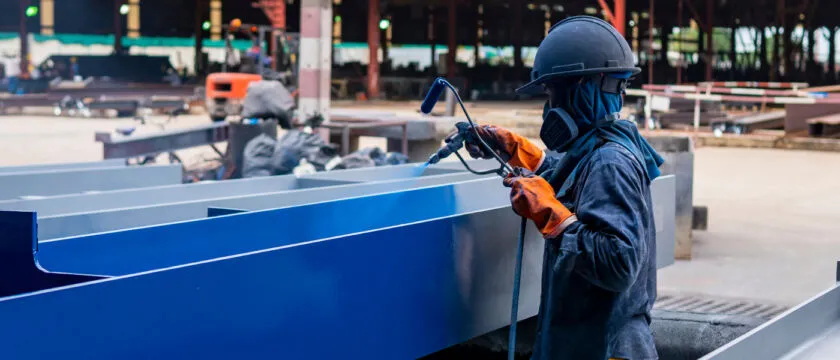
Steel grit is one option for structural steel, silos, storage tanks, and metal buildings when the equipment and recovery arrangements suit the project.
Steel grit can remove mill scale, rust, and failed coatings. The number of passes depends on the surface condition and required preparation standard.
Some crews blend grit with steel shot to balance cutting speed with a consistent profile. This approach depends on the equipment, the substrate, and the specified coatings requirements.
Where media recovery isn’t practical, such as on some exterior steel, contractors may use coal slag or garnet on a single use basis. Pitted steel on oil and gas equipment needs extra attention. The abrasive has to reach the bottom of each pit to remove trapped corrosion.
What Media Works on Concrete, Brick, and Masonry?
Concrete, brick, and masonry require preparation methods matched to their strength, condition, and intended finish.
Using the wrong abrasive size, pressure, or equipment can damage the surface. The required concrete profile depends on the intended coating system, and some systems require a heavier profile than others.
Crushed glass and fine mineral abrasives can remove paint and surface laitance, with media size and pressure adjusted to control depth.
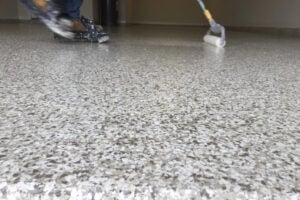
Enclosed shot blasting is one option for preparing parking garage decks and warehouse floors for epoxy floor coatings, depending on slab condition and the specified profile. Confirm the contractor’s selected equipment media recovery and dust-collection capabilities.
For brick and older masonry, contractors should test suitable media and pressure on a small area to assess effects on joints and faces.
Which Options Reduce Silica Exposure on Site?
Replacing silica sand with low silica media can help reduce silica exposure on site.
Media choice is one factor. Substrate and existing coatings can still produce hazardous dust even when the abrasive contains little crystalline silica. Concrete and masonry can contain silica, and older coatings may contain lead or other hazardous constituents.
Substitute abrasives still require a hazard review. Surface material, work area, and ventilation all affect how much dust a blasting job produces. Discuss the following media options and exposure controls with the contractor:
- Steel grit and steel shot, which are metallic rather than mineral based
- Low silica mineral abrasives, with the supplier’s safety data sheet reviewed for crystalline silica and other hazardous constituents
- Vacuum recovery shot blasting for concrete floors
- Containment, dust collection, and respiratory protection selected for the blasting method and assessed exposure
Can Blasting Media Be Recycled During a Project?
Steel grit and steel shot can often be recycled during a project, depending on media condition, equipment, and contamination.
Suitable recovery systems separate dust, fines, and removed material before returning reusable media to the blasting equipment. Recycling can reduce media purchases and the volume of waste leaving site.
Coal slag and crushed glass are generally single use. Garnet reuse depends on the product, the recovery system, and contamination.
When existing coatings may contain lead, assess them before blasting and determine appropriate handling and disposal requirements for the resulting waste.
How Is Blasting Media Matched to Coatings Requirements?
Media matching starts with the coatings manufacturer’s product data sheet. Review the manufacturer’s preparation guidance and project specification for the required surface cleanliness and profile. A typical process looks like this:
- Confirm the surface cleanliness required by the project specification and coatings manufacturer.
- Confirm the specified surface profile requirements.
- Select a media type and size that reaches that range on the substrate
- Blast a test area and measure it before full production
- Verify the profile and cleanliness before applying coatings
Different primers and epoxy coatings require different surface profiles. Follow the profile range specified by the coatings manufacturer.
Blasted steel should receive the specified coatings before flash rust or contamination compromises the prepared surface.
No single blasting media suits every industrial surface. Steel preparation, concrete floor preparation, and masonry cleaning require different media and operating conditions. Test areas help confirm the appropriate method.
The specified coatings requirements should guide media selection alongside the substrate condition and blasting method.
Contact Induspray to discuss surface preparation and industrial spray painting requirements for facilities in Toronto and Southern Ontario.
Frequently Asked Questions
What Is the Difference Between Steel Grit and Steel Shot?
Steel grit is angular and cuts an angular profile. Steel shot is round and leaves rounded indentations. The resulting profile depends on media size, operating conditions, and the substrate.
How Deep Should an Anchor Profile Be?
Confirm the required profile using the manufacturer’s preparation guidance and project specification. Ask the contractor how it will be measured before applying coatings.
Can Abrasive Blasting Damage Concrete?
It can. Inappropriate abrasive size, pressure, or equipment can damage concrete. Because the required profile depends on the intended coatings system, contractors select media and settings to reach that profile and confirm the method on a test area.
Does Dry Ice Blasting Create an Anchor Profile?
No. Dry ice pellets sublimate on impact and clean surfaces such as machinery without leaving residual blasting media. Removed contaminants still require collection, and dry ice cleaning does not replace abrasive preparation when a specified anchor profile is required.
How Soon Should Blasted Steel Receive Coatings?
Apply the specified coatings within the manufacturer’s requirements and before rust or contamination compromises the prepared surface.