




Polyaspartic flooring is a popular choice for property owners who want strong, attractive, and easy-to-maintain concrete floors. It creates a protective surface that can handle regular foot traffic, equipment movement, and many common spills. Businesses often consider this flooring system because it can cure quickly and help reduce the time a work area remains out of service. When installed correctly, it can improve the appearance of concrete while helping protect it from everyday wear. Choosing the right coating depends on the condition of the existing floor, how the space is used, and the level of protection required.
What Is Polyaspartic Flooring and How Does It Work?
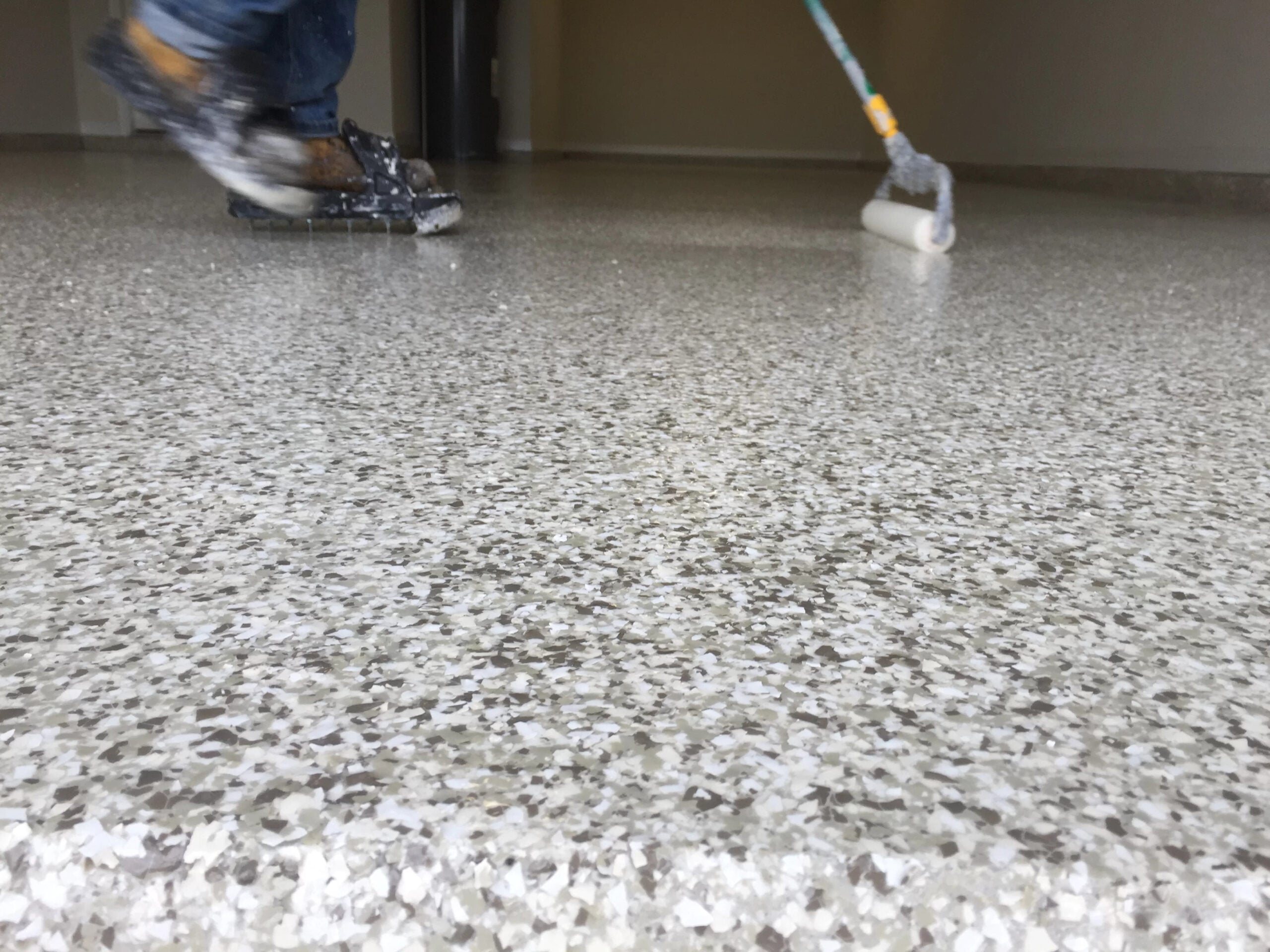
Polyaspartic flooring uses a specialized coating based on polyaspartic polyurea technology. The material forms a protective layer over properly prepared concrete and can be used in different flooring systems, including decorative and industrial applications. Depending on the product, it may offer good resistance to abrasion, stains, and ultraviolet light. Before application, the concrete usually needs to be inspected, cleaned, and mechanically prepared. Cracks, damaged areas, oil contamination, and moisture concerns should be addressed where necessary. The coating is then applied according to the manufacturer’s instructions, including the recommended thickness, temperature range, and curing conditions. Because products vary, the correct installation process should always be selected for the specific site.
Key Benefits of Polyaspartic Flooring
1. Strong Protection Against Daily Wear
Concrete floors in busy buildings face constant pressure from people, vehicles, carts, and heavy equipment. A properly selected coating can help protect the surface from abrasion and everyday damage. This makes it a useful option for workplaces where floors must remain functional and presentable. The actual level of protection depends on the product, coating thickness, concrete condition, and quality of installation.
2. Faster Curing and Less Downtime
One major advantage of many polyaspartic systems is their fast curing time. Some products allow foot traffic within a few hours, although exact times depend on the formulation and environmental conditions. This can help businesses plan maintenance without keeping an area closed for several days. Before reopening the space, property managers should follow the manufacturer’s instructions for foot traffic, equipment, and vehicle use.
3. Easier Cleaning and Maintenance
A properly installed coating creates a smooth, protective surface that is generally easier to clean than bare concrete. Dust, dirt, and many common spills can be removed through regular sweeping and suitable cleaning methods. This can help facilities maintain a cleaner appearance while reducing the effort needed for routine floor care.
4. Attractive Finishes for Different Spaces
These coatings are available in various colors, gloss levels, decorative flakes, and textures. Businesses can choose a finish that complements their interiors and practical needs. In areas where slipping is a concern, a suitable slip-resistant texture may be considered. The final selection should balance appearance, cleaning requirements, and the type of traffic the floor receives.
Where Can Polyaspartic Flooring Be Used?
Polyaspartic flooring can suit a range of environments when the concrete and site conditions are appropriate. Warehouses may benefit from a durable surface that handles regular movement of equipment and goods. Manufacturing facilities may need a coating that can withstand frequent cleaning and exposure to selected chemicals. Retail spaces and service areas may value a neat appearance and simple maintenance. Garages and workshops can also benefit from protective coatings that resist common automotive spills. Not every formulation is right for every location, so the intended use should guide product selection.
Why Proper Concrete Preparation Matters
The performance of a coating depends heavily on the condition of the concrete beneath it. Applying material over dust, grease, weak concrete, or an unsuitable existing coating can lead to poor adhesion and premature failure. Preparation commonly includes removing contaminants, mechanically profiling the surface through diamond grinding or shot blasting, repairing damaged areas, and removing loose dust. Moisture testing is also important because excessive moisture can affect the bond or long-term performance of certain systems.
A professional inspection helps identify cracks, surface deterioration, uneven areas, and other concerns before work begins. The installer can then select a preparation method and coating system suited to the slab. Careful preparation may require additional time, but it helps create a more reliable foundation for the finished floor.
Understanding Different Polyaspartic Coating Options
Choosing the right coating starts with understanding the needs of the space. A polyaspartic floor coating may be selected for its quick curing, protective qualities, and range of decorative finishes. The best option depends on the amount of traffic, expected wear, and condition of the existing concrete. A polyaspartic concrete coating can help improve the appearance and durability of a concrete surface when the correct preparation and application methods are used. Before choosing a system, property owners should consider moisture conditions, surface damage, cleaning routines, and the type of activity that takes place in the area. Professional polyaspartic coating services can help property managers evaluate their floors, identify preparation requirements, and select suitable materials. Experienced installers can also explain expected curing times, maintenance needs, and any limitations associated with the selected product. For busy workplaces, commercial polyaspartic coatings may provide a practical solution for protecting floors while keeping maintenance manageable. Warehouses, workshops, and other facilities should choose systems designed for their specific traffic levels and operating conditions rather than relying on appearance alone.
How to Maintain Your Coated Concrete Floor
Regular maintenance helps preserve the appearance and performance of a coated floor. Begin by sweeping or dust mopping to remove loose dirt and abrasive particles. These materials can gradually affect the finish when they are repeatedly dragged across the surface. Clean spills promptly, especially when they involve oils, chemicals, or other substances that may damage the coating. Use cleaning products approved for the installed system and avoid harsh chemicals unless the manufacturer confirms they are suitable. Place protective pads beneath movable equipment where appropriate, and use mats in areas where dirt and moisture commonly enter. Periodic inspections can help identify scratches, damaged sections, or areas that need attention. Repairing problems early may prevent further deterioration and help extend the useful life of the flooring system.
Frequently Asked Questions
1. How long does polyaspartic flooring take to cure?
Curing times vary by product, temperature, humidity, and installation conditions. Some systems become ready for light foot traffic within hours, while heavier use may require more time. Always follow the manufacturer’s instructions before reopening the area.
2. Is polyaspartic flooring suitable for commercial buildings?
Yes, many systems are designed for commercial environments such as retail spaces, workshops, and warehouses. The selected coating must match the expected traffic, chemical exposure, and condition of the concrete.
3. Does concrete need preparation before coating?
Yes. The surface generally needs cleaning, mechanical preparation, and repairs where necessary. Moisture testing may also be required to help prevent adhesion problems and premature coating failure.
4. Is polyaspartic flooring easy to maintain?
In many applications, yes. Regular sweeping, prompt spill cleanup, and suitable cleaning products can help keep the surface in good condition. Maintenance requirements depend on the coating and the environment.
5. How long can a polyaspartic floor last?
Its lifespan depends on installation quality, product selection, traffic, maintenance, and environmental conditions. Proper preparation and regular care can help the floor deliver reliable performance for many years, but no single lifespan applies to every installation.
Conclusion
Choosing a suitable floor coating can help businesses protect their concrete, simplify cleaning, and maintain a professional working environment. Fast curing, durability, and design flexibility make polyaspartic systems worth considering for many commercial and industrial applications. However, the best results depend on selecting the right product, preparing the concrete correctly, and following recommended installation and maintenance practices. For businesses planning a flooring improvement project, All West Surface Prep is a resource to consider when exploring professional concrete surface preparation and coating solutions.