



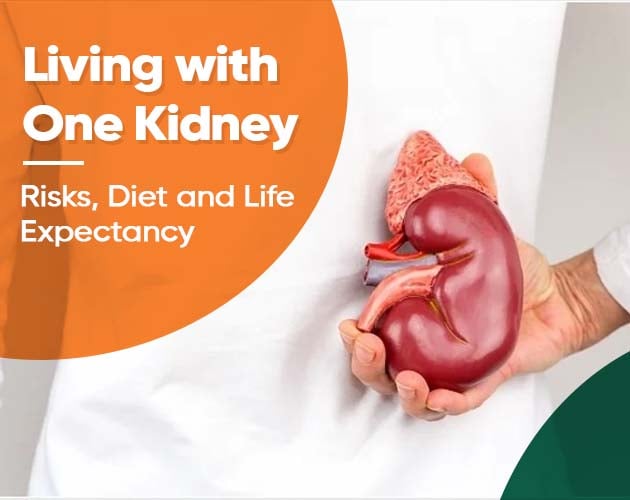
Yes, you can live a full, healthy life without one kidney. Millions of people around the world live with a single functioning kidney, a state known medically as a solitary kidney and experience normal life expectancy without significant health limitations.
Whether someone is born with only one kidney, donates a kidney to a relative, or undergoes surgical removal (nephrectomy) due to injury or illness, the remaining renal organ possesses a remarkable ability to adapt. Understanding how the body compensates, what potential long-term changes require monitoring, and how to maintain optimal renal health is crucial for anyone navigating life with a single organ.
Why Do People Have a Solitary Kidney?
There are three primary clinical reasons why an individual might live with just one kidney:
- Renal Agenesis (Congenital): Some individuals are born with only one kidney because the second failed to develop in the womb. Others are born with dysplasia, where the second kidney forms but lacks normal structural function.
- Surgical Removal (Nephrectomy): A kidney may be surgically removed due to severe disease, such as renal cell carcinoma, chronic infection, severe physical trauma, or kidney stones that have caused irreversible scarring.
- Living Kidney Donation: Healthy individuals voluntarily donate one of their kidneys to someone experiencing end-stage renal disease (ESRD).
Regardless of the underlying cause, the physiological adaptation mechanism after losing one organ remains remarkably similar.
How the Body Adapts: Renal Compensatory Hypertrophy?
When one organ is removed or absent, the remaining functional unit recognizes the increased metabolic workload and undergoes a biological process called compensatory hypertrophy.
During compensatory hypertrophy:
- Nephrons Expand: Individual filtering units within the solitary kidney, called nephrons, enlarge to process a higher volume of blood plasma.
- Glomerular Filtration Rate (GFR) Increases: The remaining kidney increases its filtration capacity, typically performing 70% to 80% of the combined work previously done by two kidneys, rather than just 50%.
- Physical Enlargement: Over months to years, the solitary organ increases physically in mass and size to sustain long-term metabolic demands.
Because of this physiological adaptation, most people living with one organ do not require special diets or restrictive lifestyle alterations immediately following recovery.
Long-Term Health Considerations and Potential Risks
While the vast majority of individuals with a single kidney maintain excellent health, living with reduced total renal mass requires long-term vigilance. Over several decades, compensating for double the workload can expose the remaining tissue to subtle stress.
1. Compensatory Hyperfiltration and Proteinuria
Because nephrons in a solitary organ work at an elevated filtration pressure (hyperfiltration), some individuals develop mild leakage of protein into the urine over time, known as proteinuria. While often low-grade, persistent proteinuria serves as an early clinical indicator of glomerular strain and warrants routine monitoring.
2. Hypertension (High Blood Pressure)
The kidneys play a central role in regulating systemic blood pressure through fluid balance and the renin-angiotensin-aldosterone system (RAAS). Individuals with a single organ have a slightly elevated long-term risk of developing high blood pressure. Conversely, uncontrolled hypertension can accelerate damage to the remaining nephrons, creating a feedback loop that requires careful clinical oversight.
3. Medication Dosage Adjustments
Because many pharmaceuticals are cleared primarily through renal filtration, impaired or altered function in a solitary organ can change how drugs accumulate in the bloodstream. Medical providers often consult clinical references, such as the evidence-based guide on managing health when living with one kidney on Renaldosage, to ensure drug regimens and dosing protocols are tailored safely to an individual’s specific renal filtration capacity.
Key Differences: Living Donor vs. Congenital or Post-Disease Solitary Kidney
Not all single-kidney scenarios carry identical risk profiles.
| Aspect | Living Donors | Congenital Agenesis | Post-Disease/Trauma Nephrectomy |
| Pre-Existing Health | Thoroughly screened; exceptional baseline health | Varies; may be discovered incidentally | Often accompanied by underlying illness (e.g., cancer, diabetes) |
| Contralateral Kidney Health | Confirmed healthy prior to surgery | Usually fully compensated since birth | May have suffered collateral damage from systemic disease |
| Long-Term Prognosis | Excellent; near-normal life expectancy | Excellent; routine annual checkups recommended | Dependent primarily on managing the primary illness |
Actionable Tips for Maintaining Renal Health
Protecting a solitary kidney centers on preventing common conditions that harm delicate renal tissue, such as hypertension, diabetes, and direct physical trauma.
- Schedule Annual Health Screenings: Get an annual checkup including blood pressure measurement, estimated GFR (eGFR) via serum creatinine, and a urine albumin-to-creatinine ratio (uACR) to screen for early protein leakage.
- Stay Adequately Hydrated: Drink sufficient water throughout the day to support blood flow to the kidneys. Avoid extreme dehydration, which strains renal filtration.
- Use NSAIDs With Caution: Over-the-counter nonsteroidal anti-inflammatory drugs (NSAIDs) such as ibuprofen and naproxen can reduce blood flow to kidney tissue. Use acetaminophen for routine pain management when appropriate, or consult a doctor before using NSAIDs long-term.
- Adopt a Heart-Healthy, Low-Sodium Diet: Keeping sodium intake balanced helps manage blood pressure levels naturally, reducing hydraulic pressure inside the glomeruli.
- Protect Against Contact Sports Injuries: While participation in athletics is generally encouraged, individuals with a single kidney should take precautions or wear protective padding during high-impact contact sports (like football or martial arts) to prevent direct physical trauma.
Frequently Asked Questions
Does living with one kidney shorten your overall life expectancy?
No. Studies following living kidney donors and individuals born with renal agenesis show that life expectancy is comparable to that of the general healthy population. With routine medical monitoring, overall longevity remains uncompromised.
Can a person with one kidney drink alcohol or consume protein supplements?
Moderate alcohol consumption does not harm a solitary kidney. Regarding protein, while extremely high-protein diets (such as heavy bodybuilding supplementation) can increase hyperfiltration strain, a normal balanced diet with standard protein intake is safe for individuals with healthy kidney function.
What happens if a person loses function in their remaining single kidney?
If function in the solitary kidney declines significantly due to disease or injury, medical management includes medications to control blood pressure and metabolic waste. If end-stage renal failure occurs, treatment options include maintenance dialysis (hemodialysis or peritoneal dialysis) or receiving a kidney transplant.
Are women with one kidney able to have a safe pregnancy?
Yes. Most women with a single healthy kidney experience normal, uncomplicated pregnancies. However, because pregnancy increases blood volume and filtration workload on the kidneys, obstetricians and nephrologists monitor blood pressure and urine protein levels more closely throughout the gestational period.
Summary
Living with a single kidney is a testament to the body’s extraordinary capacity for biological compensation. Through compensatory hypertrophy, one healthy organ can successfully handle the body’s filtration needs for a lifetime. By prioritizing routine health checkups, keeping blood pressure in a healthy range, and avoiding nephrotoxic medications, individuals with one kidney can confidently maintain full, active, and healthy lives.