





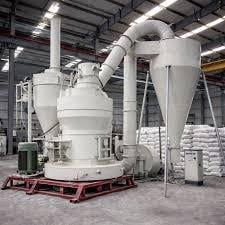
Understanding the Role of Chemical Distributors in Pakistan
Chemical distributors in Pakistan play an important role in supporting industries that depend on a consistent supply of raw materials and specialised chemical products. From manufacturing plants and textile mills to pharmaceutical facilities, laboratories, agricultural businesses, and cleaning product manufacturers, many sectors require chemicals for their daily operations. Distributors help connect chemical manufacturers with businesses that need these materials for production, research, processing, and maintenance.
A reliable chemical distributor does more than supply products. It helps businesses identify suitable materials, understand product specifications, manage supply requirements, and maintain continuity in their operations. The right distribution partner can make purchasing easier by providing clear documentation, dependable communication, and suitable delivery arrangements.
Pakistan has a diverse industrial sector with businesses operating in different regions and working with a wide range of chemical materials. As industrial requirements continue to develop, the demand for dependable distribution services remains important. Businesses need suppliers who understand their applications and can support their purchasing needs with professional service and responsible handling practices.
Why Chemical Distribution Is Important for Industrial Growth
Chemical distribution supports industrial activity by making essential materials available to businesses that may not purchase directly from manufacturers. Many factories need several types of chemicals for different production stages, while laboratories and specialised facilities require products that meet specific technical requirements.
Distributors help simplify this process by managing product availability, coordinating orders, maintaining inventory, and arranging transportation. Their role becomes particularly valuable when businesses need multiple products from different manufacturers or require regular deliveries to keep production running smoothly.
In Pakistan, chemical distribution serves industries that contribute to manufacturing, construction, agriculture, healthcare, consumer goods, and other important economic activities. Reliable supply arrangements can help businesses reduce interruptions and plan their operations more effectively.
A well-organised distributor also helps customers obtain product information before making purchasing decisions. Specifications, safety data sheets, handling instructions, and relevant quality documents allow businesses to evaluate whether a chemical is suitable for its intended use. This support encourages better purchasing decisions and promotes responsible chemical management.
Chemical Distributors Serving Different Industries in Pakistan
Pakistan’s industrial landscape includes many sectors that rely on chemical materials. Each industry has its own requirements, which means chemical distributors need to understand the applications and specifications associated with the products they supply.
The textile industry is one example. Textile processing may require dyes, pigments, bleaching agents, detergents, finishing chemicals, and other specialised materials. Manufacturers need products that are suitable for their processes and consistent enough to support reliable production results.
The pharmaceutical and healthcare sectors have different requirements. Businesses working in these areas may need approved raw materials, laboratory chemicals, solvents, and other products that meet applicable quality and regulatory standards. Product identity, documentation, storage conditions, and traceability are particularly important when chemicals are intended for regulated applications.
Agricultural businesses may require fertiliser-related materials and other agricultural chemicals, depending on their activities and applicable regulations. Construction companies and building material manufacturers may use admixtures, coatings, adhesives, and specialised treatment products.
Chemical distributors can support these industries by understanding customer needs and matching them with suitable products. Industry knowledge helps reduce purchasing errors and improves communication between suppliers and buyers.
Industrial Chemicals for Manufacturing and Production
Manufacturing businesses often rely on chemicals as essential inputs for their production processes. Depending on the industry, these materials may be used for cleaning, surface treatment, formulation, processing, preservation, or the creation of finished goods.
A manufacturer may need chemicals with precise specifications to maintain consistency between production batches. Changes in concentration, purity, composition, or performance can affect the final product, making supplier selection an important business decision.
Professional chemical distributors help customers review technical information and confirm product suitability before an order is finalised. They may also coordinate with manufacturers to obtain relevant documentation or clarify application requirements.
For businesses operating production lines, supply continuity is another major consideration. Delayed deliveries can interrupt manufacturing schedules and affect commitments to customers. Working with a distributor that communicates clearly about availability and delivery arrangements can help businesses plan their inventory more effectively.
The most suitable supplier is one that understands the customer’s operational requirements rather than focusing only on completing an individual transaction.
Quality Standards and Product Documentation
Product quality is a central consideration when selecting chemical distributors in Pakistan. Businesses need confidence that the materials they receive match the specifications agreed upon during purchasing. This is especially important for applications where chemical composition directly affects product performance or process safety.
A professional supplier should provide appropriate product identification and relevant documentation. Depending on the material and its intended use, this may include a technical data sheet, safety data sheet, certificate of analysis, batch information, or other supporting records.
Customers should review these documents carefully and confirm that the product meets their requirements. Where specific purity levels, grades, or testing standards are necessary, these details should be communicated before an order is placed.
Quality assurance also involves suitable packaging, storage, transportation, and inventory management. Some chemicals require protection from moisture, excessive heat, direct sunlight, or incompatible materials. Proper handling helps preserve product integrity and reduces avoidable risks during distribution.
Businesses benefit from working with suppliers that take documentation seriously and can explain the quality information associated with their products.
Safe Chemical Storage, Handling, and Transportation
Chemical distribution involves responsibilities that extend beyond purchasing and selling materials. Chemicals must be stored and transported according to their properties, hazards, and applicable safety requirements.
Some products may be corrosive, flammable, reactive, toxic, or sensitive to environmental conditions. Incorrect storage or incompatible packaging can increase the risk of spills, product deterioration, or dangerous reactions. For this reason, distributors should maintain suitable storage arrangements and follow the relevant handling procedures.
Transportation also requires careful planning. Packaging must be appropriate for the product, and hazardous materials must be handled according to applicable transport requirements. Clear labels and suitable documentation help workers identify materials and understand the precautions needed during handling.
Customers share responsibility for safe chemical management after delivery. Businesses should provide suitable storage areas, train employees, maintain relevant safety information, and follow the product’s handling instructions.
A distributor that prioritises safety helps build a more responsible supply chain and supports customers in managing chemicals appropriately throughout their use.
Chemical Distributors in Pakistan and the Importance of Supply Chain Management
Effective supply chain management helps chemical distributors respond to customer demand while maintaining suitable inventory levels. Businesses may need regular shipments, planned deliveries, or specific products for seasonal production cycles. Distributors must coordinate purchasing, storage, order processing, and transportation to meet these requirements.
Poor planning can lead to stock shortages, delayed orders, and disruptions in production. A well-managed distribution system uses demand information, supplier communication, and inventory monitoring to reduce these challenges.
Businesses can improve their own purchasing process by sharing realistic forecasts and communicating expected demand changes. When distributors understand the customer’s production schedule, they can plan replenishment more effectively and identify potential supply concerns earlier.
Clear communication is particularly important when a product is available only from a limited number of manufacturers or requires specialised transportation. Establishing realistic delivery expectations helps both parties plan with greater confidence.
For industrial customers, a dependable supply chain is not simply about receiving an order. It is about ensuring that the right product reaches the right location with suitable documentation and handling arrangements.
How to Choose Reliable Chemical Distributors in Pakistan
Selecting a chemical distributor requires an assessment of product suitability, supplier experience, documentation, safety practices, and service quality. Businesses should begin by defining their technical requirements, including the intended application, product grade, packaging needs, and any relevant compliance conditions.
The next step is to review the distributor’s ability to supply the required materials consistently. Customers should ask about product origin, available documentation, storage practices, and arrangements for handling products that require special precautions.
Communication is another important factor. A reliable distributor should respond clearly to questions, explain product specifications, and inform customers about changes that may affect an order. Clear communication reduces misunderstandings and helps purchasing teams make informed decisions.
Businesses should also consider whether the supplier understands their industry. A distributor familiar with textile processing, laboratory operations, water treatment, or manufacturing may be better prepared to discuss application-related requirements within its area of expertise.
Building a long-term relationship with a suitable supplier can improve coordination and make future purchasing more efficient. However, businesses should continue reviewing supplier performance to ensure that quality, documentation, and service standards remain consistent.
The Role of Chemical Distributors in Pakistan’s Developing Markets
As businesses modernise their production processes, chemical distributors may need to respond to changing product requirements, improved quality expectations, and more structured supply arrangements. Customers increasingly benefit from suppliers that combine product knowledge with efficient order management and clear technical communication.
Digital tools can also improve the distribution process. Electronic order records, inventory systems, and digital documentation make it easier to track purchases and retrieve product information. These systems can support better coordination between suppliers, purchasing departments, warehouse teams, and production managers.
Environmental responsibility is another consideration for the chemical supply sector. Businesses can improve chemical management by reducing unnecessary waste, selecting suitable materials for their applications, following disposal requirements, and preventing accidental releases.
Distributors can contribute by maintaining appropriate storage systems, communicating safety information, and helping customers understand relevant product requirements. Responsible practices support industrial development while reducing avoidable environmental and operational risks.
The ability to combine reliable supply, appropriate documentation, safety awareness, and customer support can help chemical distributors remain valuable partners to businesses across Pakistan.
Chemical Supply Solutions for Businesses Across Pakistan
Businesses searching for chemical distributors in Pakistan need suppliers that understand the importance of product quality, dependable coordination, and responsible handling. Whether a customer operates a textile unit, manufacturing facility, laboratory, construction business, or another industrial operation, selecting the right distribution partner can improve purchasing efficiency and support smoother workflows.
A professional distributor should provide clear product information, appropriate documentation, suitable packaging, and practical communication throughout the supply process. Customers should also confirm that the products meet their technical requirements and that the supplier follows applicable safety and regulatory standards.
Developing a strong supplier relationship requires cooperation from both sides. Buyers should communicate their needs clearly, while distributors should provide accurate information and realistic delivery expectations. This approach can help establish a more dependable purchasing process over time.
Conclusion: Finding the Right Chemical Distributors in Pakistan
Chemical distributors in Pakistan help industries obtain the materials they need for manufacturing, processing, research, construction, agriculture, and other applications. Their responsibilities include coordinating supply, maintaining product quality, providing relevant documentation, and ensuring that chemicals are handled and transported appropriately.
Choosing a suitable distributor involves more than comparing product availability. Businesses should consider technical knowledge, quality assurance, safety practices, communication, and the ability to support ongoing requirements.
With careful supplier selection and responsible chemical management, businesses can build stronger supply chains and maintain greater confidence in their purchasing decisions. A reliable distribution partnership can support daily operations, improve planning, and contribute to the continued development of Pakistan’s industrial sector.