





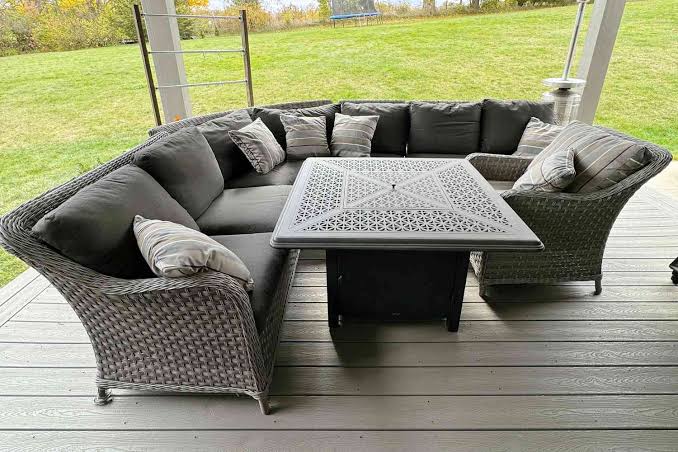
Outdoor furniture is a great way to make your patio, garden, balcony, or backyard more comfortable and attractive. However, exposure to sunlight, rain, dust, wind, and changing weather conditions can damage furniture over time. Choosing the right outdoor furniture cover helps protect your investment and keeps your furniture looking clean and well-maintained.
With so many sizes, materials, and styles available, finding the best cover for your needs can feel overwhelming. In this guide, we will explain how to choose the best cover for your outdoor furniture, which features to consider, and how to keep your covers in good condition.
1. Understand Your Outdoor Furniture’s Needs
Before purchasing an outdoor furniture cover, consider the type of furniture you want to protect. Different furniture pieces require different cover sizes and designs.
For example, patio tables, outdoor sofas, dining chairs, lounge chairs, and sectional furniture may all need different covers. A properly fitted cover provides better protection and helps prevent wind from lifting it off.
Measure the length, width, and height of your furniture before shopping. If you have an unusual furniture shape, consider a custom-fit cover for a more secure fit.
2. Choose a Durable and Weather-Resistant Material
The material is one of the most important factors when selecting an outdoor furniture cover. A high-quality material can help protect your furniture from weather-related damage and everyday outdoor conditions.
Consider these common material features:
- Water resistance: Helps protect furniture from rain and moisture.
- UV resistance: Helps reduce damage caused by prolonged exposure to sunlight.
- Tear resistance: Makes the cover more suitable for windy conditions and regular use.
- Breathability: Helps moisture escape and reduces the risk of condensation underneath the cover.
Look for materials designed specifically for outdoor use. Remember that waterproof and water-resistant are not the same, so check the manufacturer’s specifications before buying.
3. Select the Right Cover Size
Choosing the correct size is essential for effective furniture protection. A cover that is too small may leave parts of your furniture exposed, while an excessively large cover can collect water or flap in strong winds.
Follow these simple steps to find the right size:
- Measure the widest and longest points of your furniture.
- Measure the height, including chair backs or table edges where appropriate.
- Compare your measurements with the product’s sizing guide.
- Check whether the cover includes adjustable straps, buckles, or drawstrings.
Avoid assuming that one standard size will fit every piece of furniture. Always check the dimensions before placing an order.
4. Consider Your Local Weather Conditions
Your climate should influence the type of outdoor furniture cover you choose.
For sunny climates: Choose UV-resistant materials that help protect furniture finishes from fading and sun exposure.
For rainy climates: Look for weather-resistant materials, reliable seams, and a design that helps prevent water from pooling on top.
For windy areas: Choose covers with secure fastening systems, such as straps, buckles, or adjustable drawstrings.
For colder seasons: Consider durable covers designed for seasonal storage and prolonged outdoor exposure.
If your furniture remains outdoors throughout the year, prioritize durability and weather protection rather than appearance alone.
5. Look for a Secure and Practical Design
A good outdoor furniture cover should be easy to put on, remove, and store. Practical design features can make a significant difference in everyday use.
Some useful features include:
- Adjustable straps for a secure fit.
- Reinforced seams for improved durability.
- Air vents to encourage airflow.
- Handles for easier removal.
- Drawstrings or buckles to help keep the cover in place.
These features can improve convenience and help the cover perform better in changing weather conditions.
6. Decide Between Standard and Custom-Fit Covers
Standard outdoor furniture covers are often suitable for common furniture shapes and sizes. They can be a convenient option when your furniture matches the available dimensions.
Custom-fit covers may be a better choice for oversized patio sets, L-shaped sectionals, uniquely shaped tables, or expensive outdoor furniture.
Although custom covers may cost more initially, a suitable fit can help improve coverage and reduce the chance of exposed areas.
Before ordering a custom cover, double-check your measurements and confirm the manufacturer’s fitting instructions.
7. Compare Quality, Price, and Warranty
Price matters, but choosing the cheapest cover is not always the most economical decision. A poorly made cover may need replacing sooner, increasing your long-term costs.
When comparing products, consider the following:
- Material quality and thickness.
- Weather-resistance specifications.
- Stitching and seam construction.
- Fit and fastening options.
- Cleaning and maintenance requirements.
- Warranty terms and customer support.
If you are researching different brands, reading customer feedback and a detailed The Cover Guy Review can help you understand product features, customer experiences, and potential advantages or disadvantages before making a purchase.
Always check recent reviews and confirm that they relate to the specific cover you are considering.
8. Maintain Your Outdoor Furniture Cover Properly
Even a durable outdoor furniture cover needs regular care. Proper maintenance can help extend its useful life and improve its performance.
Follow these simple maintenance tips:
- Clean the cover according to the manufacturer’s instructions.
- Remove leaves, dirt, and debris regularly.
- Check for tears, damaged seams, or loose straps.
- Allow the cover to dry before storing it.
- Avoid placing heavy objects on top of the cover.
- Inspect the furniture underneath periodically to check for trapped moisture.
Never assume that a cover eliminates all moisture. Good airflow, appropriate drainage, and regular inspections are important for keeping outdoor furniture in good condition.
9. Common Mistakes to Avoid When Buying Outdoor Furniture Covers
Avoid these common mistakes to make a more informed purchasing decision:
- Buying a cover without measuring the furniture.
- Choosing a material that is unsuitable for your climate.
- Ignoring fastening features in windy locations.
- Assuming every water-resistant cover is completely waterproof.
- Overlooking warranty terms and care instructions.
- Forgetting to inspect the furniture for moisture underneath the cover.
Taking a little extra time to compare products can help you choose a cover that meets your needs and budget.
Conclusion
Choosing the best cover for your outdoor furniture involves more than selecting an attractive design. You should consider the furniture’s dimensions, material quality, weather conditions, fastening system, and maintenance requirements.
A well-fitted, durable outdoor furniture cover can help protect your patio furniture from everyday exposure and reduce unnecessary wear. By comparing available options carefully and following proper maintenance practices, you can make a more confident buying decision and enjoy your outdoor space for longer.
Take time to measure your furniture, review product specifications, and select a cover that suits your outdoor environment and protection needs.