







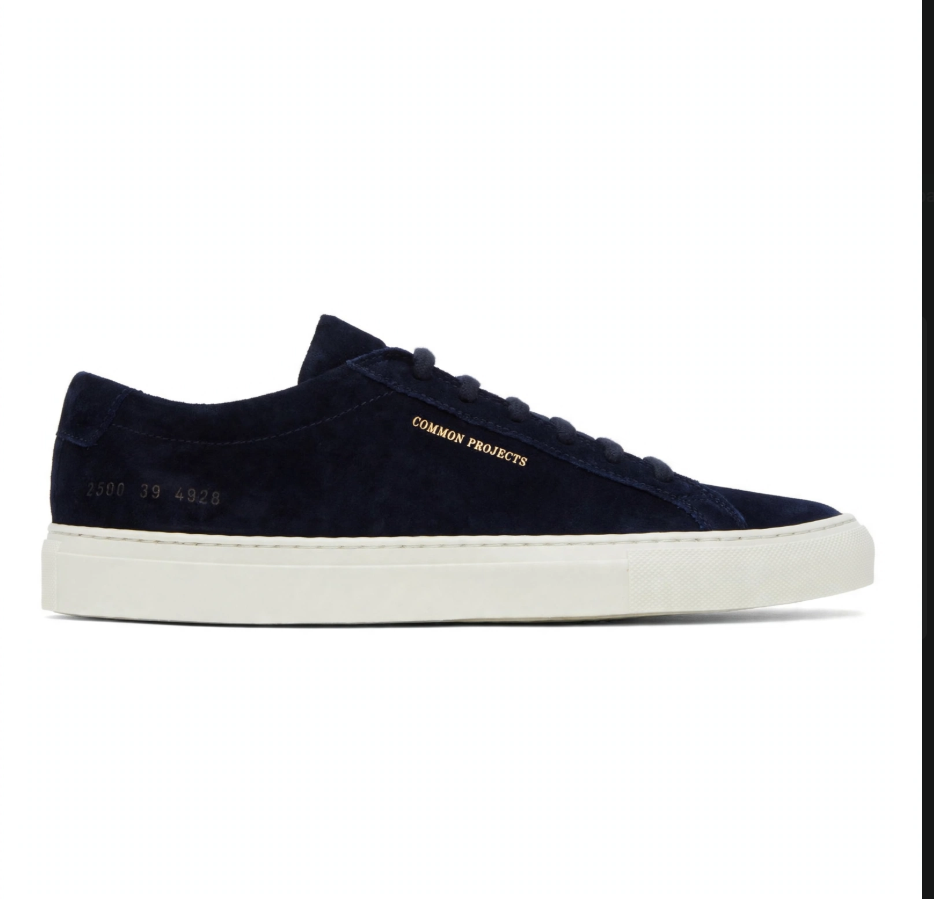
A good pair of shoes can change the way an outfit looks without requiring extra colours, patterns, or accessories. Simple footwear offers a clean appearance that works with different clothes and suits many occasions. In the UK, where changing weather and varied dress codes shape everyday style, versatile shoes can make getting dressed much easier. Common Projects has become known for its understated trainers, clean shapes, and minimal branding, making the label a useful example of how less can be more in modern footwear.
Simple shoes are not just about appearance. Their colour, shape, material, and finish affect how easily they fit into a wardrobe. A well-chosen pair can work with jeans on a relaxed day, tailored trousers at dinner, or smart-casual clothing at work. Rather than following every new trend, minimalist footwear gives people a way to build outfits around pieces they already own.
What Makes Simple Footwear Stand Out?
Minimalist footwear focuses on clean lines, balanced proportions, and limited decoration. Instead of large logos or busy patterns, the design relies on its shape and finish to create an attractive appearance.
Clean Design and Easy Styling
A plain trainer can work with many clothing styles because it does not compete for attention. White leather trainers, for example, look natural with blue denim, black trousers, chinos, and casual shorts. Neutral colours also make it easier to combine shoes with different shades and textures.
This simplicity can help an outfit feel more considered. When footwear has a neat shape and restrained details, the rest of the clothing can stand out without making the overall look feel crowded.
A Style That Lasts Beyond Trends
Fashion trends often change from one season to the next. Shoes with oversized graphics, unusual colours, or highly decorated panels may become less appealing as tastes change. Minimalist designs tend to remain easier to wear because they are not tied to one particular trend.
This does not mean every simple shoe will suit everyone. Shape, comfort, and personal taste still matter. A design that feels right for someone’s daily routine is more likely to earn a regular place in their wardrobe.
Common Projects and the Appeal of Minimalist Trainers
Common Projects is known for footwear that places attention on form, leather, and restrained detailing. The brand’s Achilles Low trainer is one of its best-known designs. Its low profile, simple panels, and small gold-stamped serial details give it a distinctive look without relying on a large logo.
Why the Achilles Low Gets Attention
The Achilles Low offers a straightforward silhouette that works with both casual and smart-casual outfits. Its simple upper gives it a neat appearance, while the low-top shape leaves the ankle visible and works well with different trouser lengths.
White is a popular choice because it pairs with many colours. Black and other muted shades offer another option for people who prefer darker outfits or want shoes that feel less noticeable.
The design also shows how small details can shape the overall look of a shoe. Stitching, leather texture, sole proportions, and the placement of branding can make a difference even when the design appears simple at first glance.
Minimal Branding and Personal Style
Large logos often make footwear the main feature of an outfit. Minimal branding takes a different approach by allowing the shape and material to speak for themselves.
For people who prefer understated clothing, Common Projects provides an example of footwear that does not need loud graphics to make an impression. This approach can suit a wardrobe built around plain T-shirts, knitwear, denim, wool trousers, and simple outerwear.
The appeal is not limited to expensive designer trainers. Many brands offer clean, understated shoes at different prices. The wider lesson is that thoughtful design can matter more than a visible label.
How Simple Trainers Fit Into a UK Wardrobe
British style includes many different approaches, from relaxed weekend clothing to office outfits and evening wear. Minimal trainers can work across these settings when their colour, material, and condition suit the occasion.
Everyday Outfits
For everyday wear, white or cream trainers pair easily with straight-leg jeans, a plain T-shirt, and a lightweight jacket. In cooler months, a wool jumper or overshirt can complete the outfit without making it feel too formal.
Black trainers work well with dark denim, charcoal trousers, and neutral knitwear. They can also suit people who prefer a darker wardrobe and want footwear that does not draw much attention.
The main benefit is flexibility. One pair of simple shoes can support several outfits, which helps reduce the need to buy footwear for every new clothing combination.
Smart-Casual Dressing
Some UK workplaces and social settings allow a more relaxed approach to dressing. Minimal leather trainers can suit these occasions when paired with tailored trousers, a button-down shirt, or a fine-knit jumper.
The condition of the shoes matters here. Clean uppers, tidy laces, and a well-kept sole help the footwear look appropriate alongside smarter clothes. Very worn trainers may make an otherwise polished outfit feel unfinished.
For formal events, business settings with strict dress codes, or occasions that call for traditional footwear, leather shoes or other formal styles may be a better choice. Minimal trainers work best when the setting allows them.
Dressing for British Weather
The UK’s weather can make footwear choices less straightforward. Rain, damp pavements, and muddy paths can quickly affect light-coloured trainers.
Leather styles may be easier to wipe clean than some fabric options, but they still need suitable care. Water resistance varies by shoe, and smooth leather should not be treated as fully waterproof. During heavy rain, a pair of weather-ready boots or suitable walking shoes may be more practical.
Keeping minimalist trainers for dry days and choosing another pair for wet conditions can help them stay in better shape for longer.
Why Materials and Construction Matter
A simple shoe has fewer decorative details to distract from its materials. This makes the quality of the leather, stitching, lining, and sole more noticeable.
Leather and Finish
Leather can develop character through regular wear and care. Full-grain and other leather types differ in texture, finish, and ageing, so buyers should check the material description rather than assuming every leather trainer has the same qualities.
The finish also affects appearance. Smooth leather creates a clean look, while suede adds a softer texture. Both can work with minimalist outfits, although suede often needs more attention around rain, dirt, and staining.
Comfort and Fit
Appearance should never be the only reason to choose footwear. A shoe needs to fit the shape of the foot, provide suitable support, and feel comfortable during normal use.
Minimalist trainers can have different levels of cushioning and arch support. A slim silhouette does not automatically mean a shoe will be uncomfortable, just as a high price does not guarantee a perfect fit.
When buying online in the UK, check the brand’s sizing guidance, return policy, and material details. If possible, try the shoes on with the socks you normally wear. Allow enough room for the toes and make sure the heel does not slip excessively while walking.
Cost and Long-Term Wear
Common Projects sits in the premium footwear market, so its price may be beyond the budget of many buyers. Paying more does not always mean a shoe will last longer, and wear depends on construction, frequency of use, care, and the surfaces on which it is worn.
Before buying a premium pair, consider how often it will be used and whether it fills a genuine gap in the wardrobe. Someone who wears trainers most days may value a well-fitting pair more than someone who needs them only occasionally.
A lower-priced alternative can still provide a clean design and good everyday wear. The best choice depends on budget, comfort, materials, and personal priorities.
How to Care for Minimalist Footwear
Light-coloured trainers can look sharp, but dirt and scuffs are easy to spot. A simple care routine helps maintain their appearance.
Regular Cleaning
Remove loose dirt with a soft brush or cloth before it becomes harder to clean. For leather shoes, use a suitable cleaner and follow the manufacturer’s care advice. Avoid soaking the upper or applying harsh products that may damage the finish.
Clean the soles separately, taking care not to spread dirt onto the leather. Let the shoes dry naturally away from direct heat, as strong heat can affect leather and adhesives.
Storage and Rotation
Allow trainers to air out after wearing them. Store them in a dry place away from direct sunlight and excessive heat. Shoe trees may help leather footwear retain its shape, provided they fit properly.
Rotating between two or more pairs can also reduce wear from daily use. This is especially helpful in the UK, where wet conditions may leave shoes damp for longer than expected.
Accepting Natural Signs of Wear
No pair of shoes stays new forever. Small creases, minor marks, and changes in leather texture are normal signs of use. Regular cleaning can keep footwear presentable, but aggressive attempts to remove every mark may cause more harm than good.
The aim should be to care for the shoes in a way that suits their materials, not to make worn footwear look untouched at all times.
Choosing Simple Footwear That Suits Your Lifestyle
The best minimalist trainer is one that fits into everyday life. Before buying, consider the clothes you wear most often, the distances you walk, and the conditions in which you plan to use the shoes.
A white leather pair may suit someone who wears denim and neutral clothing throughout the week. A black pair may work better for a darker wardrobe or settings where white shoes feel too bright. Suede can add texture, while canvas may appeal to buyers who prefer a more relaxed look.
It is also worth thinking about the number of pairs already in the wardrobe. If several shoes serve the same purpose, a new purchase may not offer much benefit. Choosing one pair that works with existing clothes can be more practical than buying a design simply because it is popular.
Common Projects provides a recognisable example of this approach to footwear. Its restrained designs show how a shoe can have a clear identity without relying on heavy decoration. The same principle applies across the wider footwear market, where good proportions, suitable materials, and a comfortable fit can matter more than a prominent logo.
Frequently Asked Questions
1. What Is Common Projects Best Known For?
Common Projects is best known for minimalist leather trainers, especially the Achilles Low. Its designs feature clean lines, restrained branding, and a simple shape that works with many clothing styles.
2. Can Minimalist Trainers Be Worn With Smart Clothes?
Yes. Clean leather trainers can pair well with tailored trousers, shirts, and fine-knit jumpers in settings that allow smart-casual dressing. Formal occasions may still call for traditional dress shoes.
3. Are White Trainers Suitable for British Weather?
White trainers can be worn throughout the year, but rain and muddy conditions can leave visible marks. Regular cleaning and sensible care help, while weather-ready footwear is often more suitable for heavy rain.
4. Are Common Projects Trainers Worth the Price?
That depends on your budget, fit, and how often you will wear them. Buyers should consider materials, construction, comfort, and expected use rather than assuming a premium price guarantees a longer lifespan.
5. How Can I Keep Minimalist Leather Trainers Clean?
Remove loose dirt with a soft brush, use a cleaner made for the leather type, and let the shoes dry naturally. Follow the manufacturer’s care instructions and avoid harsh cleaning products.
Final Thoughts
Simple footwear can make everyday dressing easier because it works with a broad range of clothing and does not rely on short-lived trends. Clean shapes, restrained colours, suitable materials, and a good fit all contribute to a pair of shoes that earns regular use.
Common Projects illustrates how minimalist trainers can bring a neat finish to casual and smart-casual outfits. Its premium pricing will not suit every buyer, and other brands offer similar design principles at lower prices. What matters most is choosing footwear that feels comfortable, suits the local weather, and works with the clothes already in your wardrobe.
A simple pair of shoes may not be the loudest part of an outfit, but it can help everything else come together naturally.