







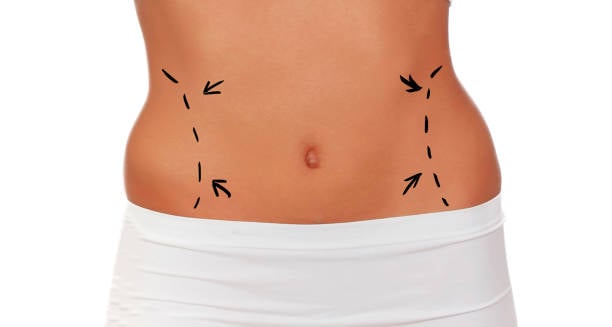
Loose abdominal skin can develop for several reasons, including pregnancy, significant weight changes, ageing, and natural changes in skin elasticity. For many individuals, this concern can affect the appearance of their midsection, even when they maintain a stable weight and healthy lifestyle. Tummy tuck surgery is a body-contouring procedure designed to address excess abdominal skin and create a firmer, smoother appearance. Tummy Tuck Surgery in Abu Dhabi is an option for individuals who want to improve their abdominal contours and achieve a more defined waistline. Understanding how the procedure works, what it can accomplish, and who may benefit from it can help individuals determine whether it aligns with their aesthetic goals.
How Does Tummy Tuck Surgery Address Loose Belly Skin?
Tummy tuck surgery, medically known as abdominoplasty, focuses on removing excess skin from the abdominal area and creating a smoother body contour. When the skin loses its natural elasticity, it may no longer retract effectively after pregnancy, weight fluctuations, or ageing. This can result in folds, sagging, and a loose appearance around the stomach.
During the procedure, excess abdominal skin is removed, and the remaining skin is repositioned to create a tighter appearance. Depending on the individual’s needs, the treatment may also involve tightening separated abdominal muscles. This combination can improve the overall structure of the midsection and create a flatter, firmer abdominal profile.
Unlike treatments that primarily target localized fat, tummy tuck surgery directly addresses loose skin. This makes it particularly relevant for individuals whose main concern is excess abdominal tissue rather than unwanted fat alone.
Why Does Belly Skin Become Loose?
The abdominal area undergoes several physical changes throughout life. Pregnancy is one of the most common reasons for loose belly skin because the abdomen expands to accommodate a growing baby. As the skin stretches, its collagen and elastin fibres may become less effective at maintaining their original firmness. After childbirth, the skin does not always return to its previous condition.
Significant weight loss can also contribute to abdominal skin laxity. When the body loses a considerable amount of weight, the skin that previously stretched to accommodate a larger body may remain loose. The extent of this concern often depends on how much weight was lost, how long the skin remained stretched, and individual skin characteristics.
Ageing is another contributing factor. As people grow older, the body’s natural production of collagen and elastin gradually changes. These proteins help maintain skin strength, flexibility, and structure. Their gradual decline can make the abdominal skin less firm and more prone to sagging.
Can Tummy Tuck Surgery Improve Abdominal Firmness?
Yes, tummy tuck surgery can significantly improve abdominal firmness by removing excess skin and, when necessary, tightening weakened or separated abdominal muscles. These changes can help create a more supported and defined midsection.
Muscle separation, commonly known as diastasis recti, can occur when the abdominal muscles move apart, often following pregnancy or significant abdominal stretching. This condition may contribute to a protruding stomach appearance even when excess fat is not the primary concern.
When muscle repair is included in the procedure, the underlying abdominal wall can become more supported. The combination of muscle tightening and skin removal may produce a flatter abdominal profile. However, the extent of improvement depends on the individual’s anatomy, skin condition, and surgical requirements.
What Happens During the Tummy Tuck Procedure?
Tummy tuck surgery begins with an assessment of the abdominal area to determine the amount of excess skin, the condition of the abdominal muscles, and the overall body proportions. The surgical approach is selected according to the individual’s anatomy and desired outcome.
The procedure is generally performed under anaesthesia. An incision is made in the lower abdominal region, allowing the removal of excess skin. The remaining skin is then repositioned and carefully adjusted to create a smoother appearance. If muscle separation is present and requires correction, the abdominal muscles may also be brought closer together and secured.
In some cases, the belly button may need to be repositioned to maintain natural-looking abdominal proportions. The exact surgical technique varies depending on whether the individual requires a full tummy tuck or a more limited procedure.
The overall objective is to improve the appearance of the abdomen while maintaining balanced body contours. The surgical plan is tailored to address the specific concerns of each individual.
Who May Benefit From Tummy Tuck Surgery?
Tummy tuck surgery may be suitable for individuals who have noticeable loose abdominal skin that does not improve sufficiently through lifestyle changes. People who have experienced pregnancy or substantial weight loss may particularly benefit when excess skin remains around the stomach.
Individuals with separated abdominal muscles may also consider the procedure if they want to improve the appearance and support of their midsection. However, suitability depends on overall health, body composition, skin condition, and personal expectations.
It is generally preferable for individuals to be close to their desired body weight before considering surgery. Those planning future pregnancies or significant weight changes may benefit from discussing the appropriate timing of the procedure, as these changes can affect the abdominal results.
A detailed consultation helps establish whether tummy tuck surgery is an appropriate approach and which surgical technique may best address the individual’s concerns.
Can Tummy Tuck Surgery Create a Flatter Stomach?
One of the main aesthetic goals of tummy tuck surgery is to create a flatter and smoother abdominal appearance. Excess skin can make the stomach appear uneven or protruding, particularly when loose tissue gathers around the lower abdomen.
By removing this additional skin and tightening the remaining tissue, the procedure can improve the abdominal profile. When muscle repair is also performed, the midsection may appear more structured and supported.
However, it is important to understand that tummy tuck surgery is not primarily a weight-loss procedure. It is designed to improve abdominal contours by addressing excess skin and, when appropriate, muscle laxity. The final appearance depends on the individual’s starting anatomy and the extent of correction required.
How Long Do Tummy Tuck Results Last?
Tummy tuck surgery can provide long-lasting improvements in abdominal appearance. Once excess skin has been surgically removed, it does not simply return in the same form. Nevertheless, the remaining skin and abdominal tissues continue to change naturally over time.
Significant weight fluctuations, future pregnancies, and ageing can influence the appearance of the abdomen after surgery. Maintaining a relatively stable weight can help preserve the improved contours.
The healing process also plays an important role in the final outcome. Although the initial changes may become noticeable after surgery, the abdominal tissues need time to settle. Gradual improvements in contour and appearance can continue as the body recovers.
Understanding these factors helps establish realistic expectations about the longevity of the results.
What Should You Expect During Recovery?
Recovery after tummy tuck surgery takes time because the procedure involves changes to the abdominal skin and potentially the underlying muscles. During the initial recovery period, individuals may need to limit certain physical activities and follow specific postoperative instructions.
The abdominal area gradually adjusts as the tissues heal and swelling decreases. Wearing recommended compression garments may help support the treated area during recovery, depending on the surgical plan. Follow-up assessments allow progress to be monitored and provide an opportunity to address questions about healing.
Returning to regular activities should happen gradually and according to individual recovery progress. Following the recommended recovery guidance is important for supporting the healing process and achieving the intended abdominal contour.
Final Thoughts
Tummy tuck surgery can be an effective option for individuals who want to tighten loose belly skin and improve the appearance of their abdominal area. By removing excess skin, repositioning the remaining tissue, and tightening separated abdominal muscles when necessary, the procedure can create a flatter, firmer, and more defined midsection.
Whether loose skin develops after pregnancy, significant weight loss, or natural ageing, understanding its underlying cause is essential when considering treatment. An individualized assessment helps determine the most suitable surgical approach and establish realistic expectations. With appropriate planning and attention to recovery, tummy tuck surgery can provide lasting improvements in abdominal contours and help individuals feel more confident about their body shape.
FAQs
Can tummy tuck surgery remove loose belly skin?
Yes, the procedure removes excess abdominal skin and repositions the remaining tissue to create a smoother, tighter appearance.
Does tummy tuck surgery tighten abdominal muscles?
Yes, when muscle separation is present, the procedure may include repairing and tightening the abdominal muscles.
Is tummy tuck surgery suitable after pregnancy?
It may be suitable for individuals experiencing persistent loose abdominal skin after pregnancy, particularly when they have completed their family planning.
Can tummy tuck surgery make the stomach flatter?
Yes, removing excess skin and tightening the abdominal area can create a flatter and more defined stomach.
Are tummy tuck surgery results permanent?
Results can be long-lasting, although ageing, future pregnancies, and significant weight changes may affect abdominal contours over time.