






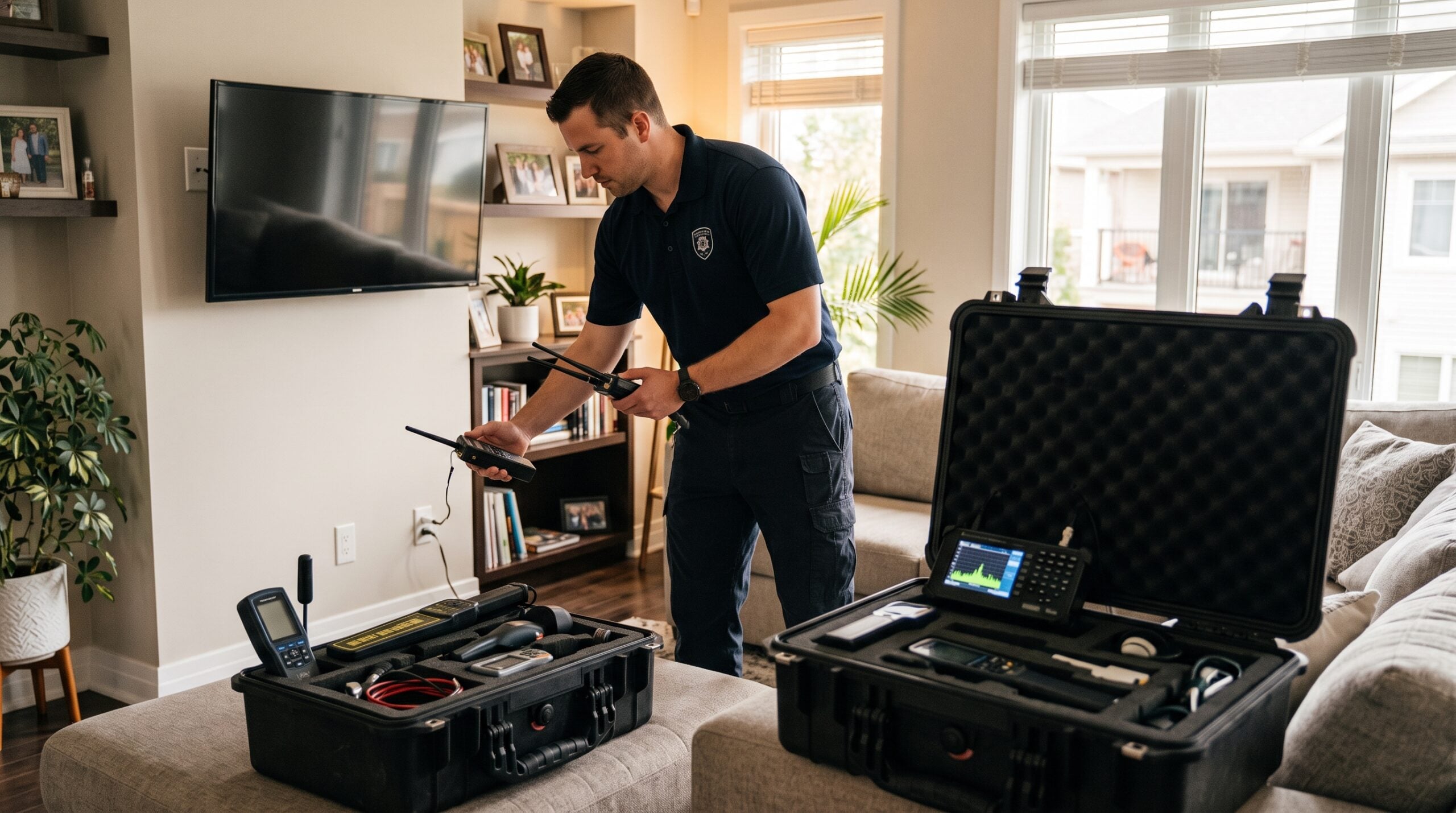
Your home should be a place where you feel safe, comfortable, and confident that your private conversations remain private. However, concerns about unauthorized surveillance can arise when someone notices suspicious devices, unexplained electronic activity, or signs that confidential conversations may have been exposed. Residential bug sweeps services help homeowners identify potential electronic surveillance threats through professional inspections designed to detect hidden cameras, covert microphones, wireless transmitters, and other unauthorized monitoring equipment.
Unlike routine home security checks, a technical surveillance inspection focuses on identifying devices that may be used to monitor private spaces or conversations without permission. These inspections can be particularly valuable for individuals who handle sensitive information at home, executives working remotely, public figures, and families with specific privacy concerns. Understanding how residential bug sweeping works can help homeowners make informed decisions about protecting their property and personal information.
What Are Residential Bug Sweeps Services?
Residential bug sweeps services are specialized technical inspections designed to identify potential electronic surveillance devices and other privacy risks inside a home. In the security industry, the term bug sweeping refers to Technical Surveillance Countermeasures (TSCM), a professional discipline focused on detecting and assessing unauthorized surveillance.
The inspection may cover bedrooms, home offices, living rooms, meeting areas, and other spaces where private conversations or confidential activities take place. The exact scope depends on the property’s layout, the client’s concerns, and the types of surveillance threats being assessed.
A professional inspection may examine several categories of potential threats, including:
- Hidden cameras: Unauthorized cameras concealed within objects, fixtures, or other locations.
- Covert microphones: Devices designed to capture private conversations.
- Wireless transmitters: Equipment that may transmit intercepted audio or video to another location.
- Suspicious electronic components: Unfamiliar devices or components that require further technical assessment.
- Potentially compromised equipment: Certain electronic devices or communication systems that may present surveillance risks.
Not every unusual electronic device represents a threat. Professional TSCM specialists evaluate findings carefully rather than treating every unfamiliar object or signal as evidence of surveillance.
Why Do Homeowners Need Residential Bug Sweeps Services?
Modern homes contain numerous connected devices, including smart speakers, security cameras, wireless routers, televisions, and home automation systems. Although these technologies provide convenience, they also create a complex electronic environment that can make privacy assessments more challenging.
In some circumstances, homeowners may have legitimate reasons to investigate possible unauthorized monitoring. These can include concerns following a personal dispute, a sensitive business negotiation, a property access incident, or the discovery of an unfamiliar device.
Residential inspections can help address these concerns through a structured, evidence-based process.
Protect Private Family Conversations
Family discussions, personal matters, and confidential conversations deserve appropriate privacy. An unauthorized recording device could create serious concerns if private information were collected or shared without consent.
A professional inspection assesses areas where conversations are likely to take place and evaluates suspicious devices or electronic activity. This can help homeowners understand whether identifiable surveillance risks are present and what additional steps may be appropriate.
Secure Home Offices and Remote Workspaces
Remote working has made the home office an important environment for confidential business activities. Professionals may discuss client information, financial records, business strategies, contracts, and internal company matters from their homes.
Residential bug sweeps services can help assess these workspaces for potential surveillance risks. An inspection may include the office itself, relevant electronic equipment, and nearby areas where sensitive discussions regularly occur.
This can be especially useful for business owners, senior executives, legal professionals, consultants, and individuals who routinely handle confidential information.
Address Specific Privacy Concerns
Some homeowners seek a technical inspection after identifying an unfamiliar object, noticing unexplained changes to their property, or experiencing a credible incident involving unauthorized access.
A qualified TSCM professional can assess the concern and determine whether further investigation is justified. The objective is to establish facts through appropriate technical procedures rather than relying on assumptions or unsupported conclusions.
What Devices Can a Residential Bug Sweep Detect?
The equipment and methods used during a residential inspection depend on the suspected threat, the property, and the specialist’s capabilities. No single detection method can identify every possible surveillance device in every situation.
A comprehensive inspection may combine physical examination, electronic analysis, and targeted testing.
Hidden Cameras and Unauthorized Recording Equipment
Some cameras are designed to blend into their surroundings or resemble ordinary household objects. During an inspection, specialists may examine suspicious objects, fixtures, and areas that could present privacy concerns.
Optical inspection tools and other appropriate techniques may be used to assess potential camera locations. However, identifying a genuine camera requires careful evaluation, as ordinary household electronics and reflective surfaces can sometimes appear suspicious without posing a surveillance threat.
Covert Microphones and Audio Surveillance Devices
Covert microphones may be designed to record conversations locally or transmit audio through an electronic connection. Depending on the device and its operating method, identifying it may require physical examination or specialized technical testing.
A TSCM professional assesses potential recording equipment within the context of the inspection. Findings should be documented and evaluated before any conclusions are made about unauthorized audio monitoring.
Radio Frequency Transmitters
Certain surveillance devices transmit information using radio frequencies. Technical specialists may use appropriate spectrum analysis equipment to investigate relevant signals and identify activity that warrants further examination.
Residential environments can contain many legitimate wireless signals from routers, mobile devices, smart home systems, and neighboring properties. Therefore, detecting a signal alone does not prove that surveillance is taking place. Professional analysis is needed to distinguish expected electronic activity from potentially suspicious findings.
Suspicious Wired or Connected Devices
Not all surveillance equipment operates wirelessly. Some devices may rely on physical connections, local storage, or existing infrastructure.
For this reason, an inspection may include a review of relevant wiring, electronic equipment, and accessible fixtures where justified by the scope of work. Any invasive examination should be authorized by the property owner and conducted with appropriate care.
How Does a Professional Residential Bug Sweep Work?
A reliable inspection follows a structured process rather than relying on a quick visual search. The objective is to evaluate the property systematically, investigate relevant concerns, and provide clear findings.
1. Initial Consultation and Risk Assessment
The process generally begins with a discussion about the property, the client’s privacy concerns, and any specific incidents that prompted the inspection.
The specialist may ask about recent access to the property, unfamiliar devices, sensitive areas, and the types of information the homeowner wants to protect. This information helps determine the inspection’s scope and priorities.
2. Physical Inspection of Relevant Areas
The specialist examines agreed-upon areas for unfamiliar equipment, unusual installations, or objects that require closer assessment. Depending on the situation, this may include bedrooms, home offices, living spaces, and rooms used for confidential discussions.
Physical inspection findings are evaluated alongside the client’s concerns. An unusual object should not automatically be classified as a surveillance device without supporting evidence.
3. Electronic and Signal Analysis
Where appropriate, the inspection may include radio frequency analysis and other technical procedures designed to identify suspicious electronic activity.
Specialists consider the property’s normal wireless environment and investigate signals that warrant additional attention. The effectiveness of these methods depends on factors such as device design, operating state, transmission method, and the surrounding electronic environment.
4. Assessment of Potential Findings
Any suspicious device or electronic activity should be assessed carefully. The specialist may conduct additional testing, document observations, and explain whether the findings indicate a credible concern.
If a device is discovered, its handling should follow appropriate evidence-preservation and legal procedures. Homeowners should avoid unnecessarily dismantling suspicious equipment before obtaining suitable professional advice.
5. Reporting and Recommendations
After the inspection, the client should receive a clear explanation of the work completed, relevant findings, and recommended next steps.
Depending on the provider, the report may document inspected areas, methods used, limitations, and any unresolved concerns. A transparent report helps homeowners understand what was assessed without creating an unrealistic expectation that every conceivable surveillance threat has been eliminated.
Who Can Benefit From Residential Bug Sweeps Services?
Professional residential TSCM inspections may be relevant to a range of homeowners and residents, particularly when confidentiality and personal privacy are important.
- Business executives: Individuals who discuss confidential company information from home.
- Entrepreneurs and business owners: People managing financial information, negotiations, or proprietary business plans.
- Legal and financial professionals: Individuals who may handle sensitive client information in residential workspaces.
- Public figures: People whose professional visibility may create additional privacy concerns.
- High-profile families: Households seeking a structured assessment after a credible privacy concern.
- Homeowners following a security incident: Residents who have discovered suspicious equipment or experienced circumstances that justify technical investigation.
The need for an inspection should be based on the circumstances and the person’s specific concerns. Not every household requires routine TSCM services, and an inspection should not be presented as proof that surveillance was previously occurring.
How to Choose a Reliable Residential Bug Sweeping Provider
Selecting a qualified specialist is essential because residential privacy inspections involve sensitive information, personal spaces, and technical assessments that require professional judgment.
Before hiring a provider, homeowners should evaluate the following factors.
Experience in Technical Surveillance Countermeasures
Choose a provider with demonstrable experience in TSCM and residential privacy assessments. General security experience alone does not necessarily establish the technical expertise required to evaluate electronic surveillance threats.
Ask about the specialist’s training, inspection methodology, and experience with residential environments.
Appropriate Detection Equipment
A professional should be able to explain which inspection tools may be used and why they are suitable for the identified risks. Depending on the scope, this could include spectrum analyzers, specialized inspection equipment, and tools for evaluating suspicious electronic components.
Equipment ownership alone is not proof of competence. Proper interpretation of results and an understanding of detection limitations are equally important.
Confidentiality and Discretion
Residential inspections can involve highly personal information and private areas of a property. A trustworthy provider should explain how client information, inspection records, and any collected evidence will be handled.
Ask whether confidentiality arrangements are available and how access to sensitive findings is restricted.
Transparent Scope and Reporting
Before work begins, request a written explanation of the areas to be inspected, the methods included, the expected deliverables, and any limitations.
Be cautious of providers who guarantee that every possible surveillance device will be found or who claim that an unusual signal automatically confirms spying. Responsible specialists communicate uncertainty honestly and support their conclusions with appropriate evidence.
Clear Recommendations
The service should provide practical guidance if a credible concern is identified. Depending on the findings, recommendations may involve further technical investigation, authorized equipment examination, changes to access controls, or consultation with appropriate legal or security professionals.
When Should You Consider a Residential Bug Sweep?
There is no universal inspection schedule that applies to every home. The decision depends on individual circumstances, the property’s risk profile, and any relevant security incidents.
A professional assessment may be worth considering when:
- An unfamiliar electronic device is discovered in a private area.
- There is credible evidence of unauthorized access to the property.
- Sensitive business discussions regularly take place in a home office.
- A significant security incident raises specific concerns about electronic monitoring.
- A homeowner needs a technical privacy assessment before or after a sensitive event.
Routine privacy practices remain important between inspections. Residents can review smart device permissions, update router credentials, secure connected accounts, restrict access to private rooms, and remove devices they no longer use.
These measures help improve general digital and physical security, although they do not replace a specialist TSCM inspection when a specific electronic surveillance concern exists.
Protecting Your Home Beyond a Technical Inspection
A residential bug sweep is one part of a broader privacy strategy. Homeowners should also consider how household technology, property access, and information-sharing practices affect their overall security.
Keep connected devices updated and review which applications and services have access to microphones, cameras, and personal data. Use strong, unique passwords and enable multifactor authentication where available. Secure entrances and consider who has keys or authorized access to private areas.
If a suspicious device is found, avoid making public accusations or attempting potentially destructive testing. Document the circumstances, preserve the device where appropriate, and seek qualified advice. If there is a credible threat, unauthorized recording, or immediate safety concern, consider contacting the relevant authorities or a suitable legal professional.
These precautions complement technical inspections and help establish a more consistent approach to protecting personal privacy.
Final Thought
Your home should provide a reasonable expectation of privacy, particularly in spaces used for family life, confidential conversations, and professional work. Residential bug sweeps services offer a specialized approach to assessing potential electronic surveillance risks through physical inspections, technical analysis, and evidence-based reporting. By choosing an experienced TSCM provider, understanding the limitations of detection methods, and maintaining strong everyday security practices, homeowners can make better-informed decisions about protecting their privacy. The goal is not to create unnecessary fear, but to identify credible risks, address them responsibly, and maintain greater confidence in the security of your living environment.