






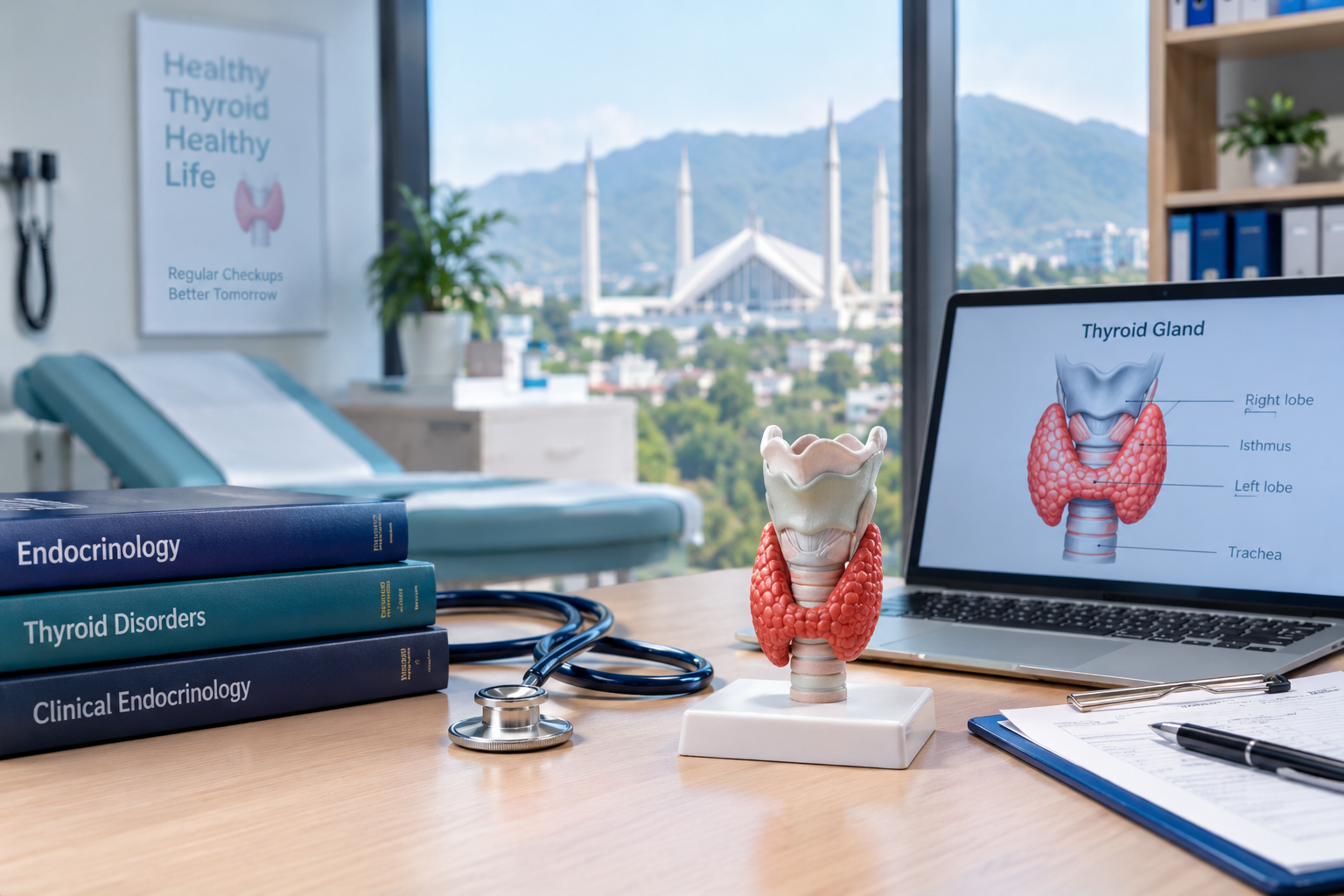
Thyroid Care Services in Pakistan
Maintaining good thyroid health is an important part of overall wellness. The thyroid gland influences metabolism, energy use, body temperature, and several other essential functions. When its activity becomes unbalanced, people may notice changes in their physical condition, daily energy, or general comfort. Identifying the cause of these changes through appropriate medical assessment can help patients make informed decisions about their care.
Across Pakistan, thyroid-related medical services are available through hospitals, specialist practices, diagnostic laboratories, and other healthcare facilities. Lahore, Islamabad, and Karachi are important destinations for people seeking thyroid consultations, laboratory investigations, treatment recommendations, and continuing medical supervision.
However, choosing a healthcare provider requires careful consideration. Patients need to understand which services are available, whether qualified specialists can evaluate their condition, and how follow-up care will be arranged. A well-organised approach can make the process more convenient and help individuals receive care suited to their medical needs.
What Makes Thyroid Health Important?
The thyroid gland is situated in the lower front portion of the neck. It produces hormones that help regulate how the body uses energy and supports the normal activity of different organs. Changes in hormone production can affect multiple body systems, which is why thyroid disorders may produce a wide range of symptoms.
An underactive thyroid may be associated with tiredness, constipation, dry skin, or sensitivity to cold. An overactive thyroid can sometimes cause a rapid heartbeat, increased sweating, trembling, or difficulty sleeping. These symptoms can also occur for reasons unrelated to the thyroid, so professional assessment is necessary before reaching a conclusion.
Some individuals have thyroid nodules or gland enlargement without experiencing obvious symptoms. Such findings may be discovered during a physical examination or an imaging investigation performed for another reason.
Early evaluation does not mean every thyroid concern requires extensive treatment. Instead, it allows healthcare professionals to determine whether a problem exists and whether monitoring, medication, additional testing, or specialist intervention is appropriate.
Thyroid Care Services Available in Pakistan
Thyroid care can involve several stages, beginning with a medical consultation and continuing through diagnosis, treatment, and monitoring. The services required depend on the patient’s symptoms, previous medical history, test results, and the nature of the suspected condition.
Common services may include:
- Medical consultations for suspected thyroid dysfunction.
- Assessment of previously abnormal hormone test results.
- Laboratory investigations to evaluate thyroid activity.
- Imaging examinations for selected structural concerns.
- Medication review and treatment monitoring.
- Specialist referrals for complex thyroid conditions.
- Assessment of thyroid nodules when further investigation is necessary.
- Long-term follow-up for patients with established thyroid disorders.
Not every clinic provides all these services. Some facilities focus on consultations, while others offer laboratory testing, imaging, or hospital-based specialist care. Patients should verify the availability of specific services before scheduling an appointment.
Thyroid Care Services in Lahore
Lahore has a diverse healthcare network that includes public hospitals, private medical centres, specialist clinics, and diagnostic facilities. People seeking thyroid care can explore endocrinology services or consult physicians with relevant experience in hormone-related conditions.
The first appointment usually involves a discussion about symptoms, their duration, existing medical conditions, family history, and current medication. The doctor may also examine the neck and review any previous laboratory reports.
Depending on the assessment, additional investigations may be recommended. These could include blood tests or an ultrasound when there is a clinical reason to investigate the thyroid gland’s structure.
Finding Suitable Thyroid Treatment in Lahore
When choosing a provider, patients should look beyond general advertising claims. The doctor’s relevant qualifications, experience, communication style, and ability to arrange appropriate follow-up are important considerations.
It is also helpful to confirm whether the clinic can review earlier reports and explain the significance of new results. Patients who require regular monitoring may prefer a facility where appointments are reasonably accessible and medical records can be maintained consistently.
Thyroid Care Services in Islamabad
Islamabad provides access to different healthcare facilities where patients may seek specialist assessment, thyroid investigations, and medical advice. Individuals living in the capital or travelling from surrounding areas can compare services according to their particular needs.
A thyroid consultation may be appropriate for people experiencing persistent symptoms, receiving treatment for an established condition, or seeking clarification about an abnormal test result.
Diagnostic Support and Specialist Consultations
Depending on the facility, patients may be able to access thyroid function tests, specialist consultations, and imaging investigations. If a structural abnormality is suspected, a doctor may recommend an ultrasound or another procedure based on the findings.
Patients with complicated symptoms or multiple medical conditions may need a coordinated approach involving more than one specialist. For example, further evaluation may be necessary when a thyroid problem is accompanied by significant heart symptoms or a suspicious neck lump.
The recommended pathway should be based on clinical requirements rather than the number of tests a facility offers. More investigations do not automatically mean better care; the important consideration is whether each test is medically justified.
Planning a Visit in Islamabad
Patients travelling from another city should contact the clinic before making arrangements. They can ask whether the relevant specialist will be available, whether previous reports should be brought, and whether laboratory testing can be completed during the same visit.
It is also useful to establish how the clinic communicates results and arranges follow-up appointments. These practical details can reduce unnecessary travel and help patients understand the next stage of their care.
Thyroid Care Services in Karachi
Karachi has a broad healthcare sector serving patients with different medical requirements and budgets. Thyroid-related services may be available through specialist practices, hospital departments, and independent diagnostic laboratories.
The best option depends on the type of problem being investigated. A patient who needs a routine review may require a different level of service from someone with a growing thyroid nodule or a significant hormone imbalance.
Medical Evaluation and Monitoring
Doctors assess thyroid concerns by reviewing symptoms, examining relevant medical history, and selecting appropriate investigations. Laboratory tests can help determine whether hormone levels suggest an underactive or overactive thyroid.
If a lump or enlargement is present, additional assessment may be recommended. Ultrasound imaging can provide information about the gland’s appearance, while selected nodules may require further investigation according to their features and the patient’s overall clinical picture.
Patients receiving medication may need periodic reviews to assess their response and determine whether further testing is appropriate. They should follow the prescribed instructions and consult their healthcare professional before making changes to treatment.
Comparing Facilities in Karachi
Patients can begin by identifying the service they need, such as an initial consultation, a review of test results, imaging, or a specialist opinion. They can then contact suitable facilities to compare availability, fees, and follow-up arrangements.
A clear explanation of treatment options is an important part of the consultation. Patients should feel able to ask questions about the diagnosis, expected monitoring schedule, possible side effects, and circumstances that may require another appointment.
Accessibility also matters for people who need ongoing care. Choosing a facility that can accommodate regular reviews may make it easier to maintain a consistent treatment plan.
Common Thyroid Conditions and Their Management
Underactive Thyroid
An underactive thyroid, medically known as hypothyroidism, occurs when hormone production is insufficient for the body’s needs. Possible symptoms include low energy, constipation, dry skin, and difficulty tolerating cold temperatures.
Doctors generally assess suspected hypothyroidism through clinical evaluation and blood testing. When hormone replacement is required, the treatment plan is adjusted according to the patient’s results and medical circumstances.
Regular monitoring helps the clinician determine whether treatment is working as intended. Patients should take medication according to professional instructions and discuss concerns rather than changing the dose independently.
Overactive Thyroid
Hyperthyroidism refers to excessive thyroid hormone activity. It may cause symptoms such as a fast heartbeat, restlessness, trembling, increased sweating, or unintended weight loss.
Treatment depends on the underlying cause and the severity of the condition. Medicines, radioactive iodine, or surgery may be considered in selected cases. A qualified clinician can explain which options are suitable and what monitoring each approach requires.
Thyroid Lumps and Enlargement
A thyroid lump does not automatically indicate a dangerous condition. Some nodules are benign, while others require closer investigation. Medical assessment helps determine whether observation, imaging, a biopsy, or specialist referral is appropriate.
Patients should seek professional advice if they notice a new or enlarging neck lump, particularly when it is accompanied by difficulty swallowing or persistent voice changes.
Understanding Thyroid Diagnostic Tests
Diagnostic investigations provide information that helps healthcare professionals evaluate thyroid function and identify structural changes.
A thyroid-stimulating hormone test, commonly called TSH, is frequently used to assess thyroid function. Free thyroxine testing may be added, and other investigations can be recommended when the initial results or symptoms indicate a need for further evaluation.
Thyroid ultrasound examines the gland’s structure. It may be useful when a doctor identifies enlargement, a palpable lump, or another reason to investigate the thyroid’s appearance.
Additional tests are not necessary for every patient. The appropriate combination depends on the suspected diagnosis, previous findings, and clinical assessment. Patients should follow the laboratory’s preparation instructions and ask their doctor how the results will influence the next step.
Choosing Between Public and Private Healthcare Facilities
Patients in Lahore, Islamabad, and Karachi may consider both public and private healthcare providers. Each facility has its own arrangements for appointments, fees, specialist availability, and diagnostic services.
Public hospitals may offer access to a range of departments, although waiting times and appointment procedures can vary. Private clinics may provide different scheduling options, but costs can differ considerably between providers.
When comparing options, patients should consider the total expected expense rather than the consultation fee alone. Laboratory testing, imaging, prescriptions, and follow-up visits may contribute to the overall cost.
It is also sensible to verify the healthcare professional’s registration and relevant qualifications. Reliable medical care should include appropriate assessment, understandable explanations, and a treatment plan based on the patient’s needs.
Supporting Thyroid Treatment Through Everyday Habits
Everyday habits can contribute to general health, but they should complement rather than replace appropriate medical treatment.
A balanced diet, regular physical activity suited to individual ability, adequate sleep, and consistent medication use can support overall well-being. However, no single food or supplement can be relied upon to treat every thyroid disorder.
Excessive iodine intake may be unsuitable for some people with thyroid conditions. Similarly, supplements marketed as natural hormone balancers can contain ingredients that interfere with prescribed treatment or affect test results.
Patients should discuss dietary supplements and major dietary changes with a qualified healthcare professional. Anyone taking thyroid medication should also ask whether particular foods, supplements, or other medicines need to be separated from their dose.
Thyroid Care for Women and During Pregnancy
Thyroid conditions can affect people of any gender and age, but certain life stages may require additional attention. Pregnancy, in particular, can change thyroid hormone requirements.
Individuals with a known thyroid disorder who are planning a pregnancy or have become pregnant should inform their healthcare professional. The clinician can determine whether testing or closer monitoring is needed and adjust treatment when appropriate.
People experiencing menstrual changes or fertility concerns may also wish to discuss whether thyroid assessment is relevant to their symptoms. Such symptoms can have several possible causes, so evaluation should consider the wider medical picture.
Medication should not be stopped or altered during pregnancy without professional advice. Prompt communication with the treating clinician helps establish an appropriate plan for both treatment and monitoring.
Preparing for Your Thyroid Appointment
Patients can make their consultation more productive by bringing relevant medical information. Previous test reports, imaging results, prescription details, and a list of current medicines can help the doctor understand the history of the condition.
It is useful to record symptoms, when they began, and whether they have changed. Patients should also mention relevant family history and any supplements they use.
Before leaving the appointment, confirm the recommended next steps. Ask which tests are required, when results should be reviewed, whether medication instructions have changed, and when the next consultation is due.
If the diagnosis remains uncertain, patients can ask what additional information is needed and whether referral to another specialist would be appropriate.
When to Seek Prompt Medical Attention
Some thyroid-related symptoms should not be ignored. A rapidly growing neck swelling, persistent swallowing difficulty, or unexplained voice changes warrants timely medical assessment.
Severe breathing difficulty, chest pain, fainting, or a very rapid heartbeat accompanied by significant illness may require emergency evaluation.
People already receiving thyroid treatment should contact their healthcare professional if symptoms worsen substantially or they experience possible serious medication-related effects. Severe or rapidly progressing symptoms should not be left until a routine appointment.
Conclusion
Thyroid care services in Pakistan offer different options for people seeking medical evaluation, diagnostic investigations, treatment, and ongoing supervision. Lahore, Islamabad, and Karachi each have healthcare facilities that patients can explore according to their medical requirements and practical circumstances.
Selecting an appropriate provider involves checking relevant qualifications, confirming available services, understanding the likely costs, and ensuring that follow-up care can be arranged. Patients should also maintain their medical records and follow the treatment plan established by their healthcare professional.
Whether someone needs an initial thyroid assessment or continued management of a diagnosed condition, informed decisions can help make the process clearer and more manageable. Professional guidance remains essential because thyroid disorders differ in their causes, symptoms, and treatment requirements.
Disclaimer: This article is intended for general educational purposes and is not a substitute for diagnosis or treatment from a qualified healthcare professional.