




Antique furniture offers more than practical use or decorative appeal. Every piece can reveal something about the materials, craftsmanship, and design preferences of the period in which it was made. From carefully shaped timber edges to hand-cut joints and distinctive grain patterns, these details help give older furniture its individual character.
When restoring an antique table, cabinet, chair, or sideboard, it can be tempting to replace worn components or remove every sign of age. However, making furniture look completely new is not always the best approach. Preserving original materials and craftsmanship can help maintain its authenticity, appearance, and historical significance.
Understanding the importance of preserving original wood details allows restorers and furniture owners to make thoughtful decisions that respect a piece’s history while keeping it functional for future generations.
1. Original Wood Details Tell the Story of the Furniture
The small details of antique furniture often reveal how it was designed and manufactured. Traditional joinery, carved edges, shaped legs, decorative mouldings, and hand-finished surfaces can provide clues about the techniques used by the original maker.
Even seemingly minor features, such as the profile of a drawer front or the way a tabletop edge has been shaped, may distinguish one period or furniture style from another.
Replacing these details with modern alternatives can change the overall appearance of a piece. A newly machined moulding, for example, may look similar at first glance but lack the subtle proportions and tool marks found in the original timber.
Careful restoration begins with observation. Before removing or replacing a component, examine its construction, shape, material, and relationship to the rest of the furniture.
This approach helps ensure that repairs respect the original design rather than unintentionally erasing the details that make the piece distinctive.
2. Original Timber Features Preserve Authenticity
Authenticity is an important consideration when restoring antique and vintage furniture. Original timber components, surface finishes, hardware, and construction methods can all contribute to a piece’s identity.
The colour and grain of aged timber may also reflect decades of light exposure, handling, and natural ageing. Although some changes indicate damage, others form part of the furniture’s established appearance.
Maintaining original timber features means understanding which elements should remain untouched, which require stabilisation, and which need carefully planned repairs.
For example, an original wooden handle with minor wear may be worth retaining if it remains structurally sound. A cracked handle that no longer functions safely might instead require repair using compatible materials.
The same principle applies to decorative veneer, shaped edges, and original timber inserts. Replacing them unnecessarily can reduce the amount of authentic material remaining in the piece.
A considered restoration balances preservation with practical needs, allowing the furniture to remain usable without losing its distinctive character.
3. Original Wood Details Can Contribute to Value
The value of antique furniture depends on several factors, including age, rarity, maker, condition, provenance, and market demand. Original components and finishes may influence how collectors and prospective buyers assess a particular piece.
Furniture that retains significant original material may be more desirable than a heavily altered example, particularly when the original craftsmanship is an important part of its appeal.
However, preserving every component regardless of its condition is not always appropriate. Structural safety, previous repairs, and the availability of suitable replacement materials must also be considered.
A replacement component may be necessary when an original part is missing or beyond practical repair. In such cases, the goal should be to reproduce its shape, proportions, and function as accurately as possible while clearly distinguishing restoration work where appropriate.
Before making irreversible changes to a potentially valuable antique, consider obtaining a professional assessment. This can help identify significant features and establish which repairs are justified.
4. Why Traditional Craftsmanship Deserves Careful Restoration
Older furniture was often constructed using techniques that differ from many modern manufacturing methods. Traditional dovetail joints, mortise-and-tenon connections, hand-shaped profiles, and carefully fitted timber components demonstrate the skill involved in making durable furniture.
These construction details can be particularly important when restoring antique chairs, tables, cabinets, and drawers. A repair that ignores the original joinery may weaken the structure or make future maintenance more difficult.
For example, forcing modern fasteners into an original joint can split the surrounding timber. Replacing a shaped wooden component with a generic alternative may also affect how the furniture fits together.
Good antique furniture preservation involves understanding how the original structure works before deciding how to repair it.
Where possible, retain sound original joints and repair damaged areas using methods compatible with the existing construction. The objective is to restore stability while removing as little original material as reasonably possible.
5. How to Preserve Original Wood Details During Restoration
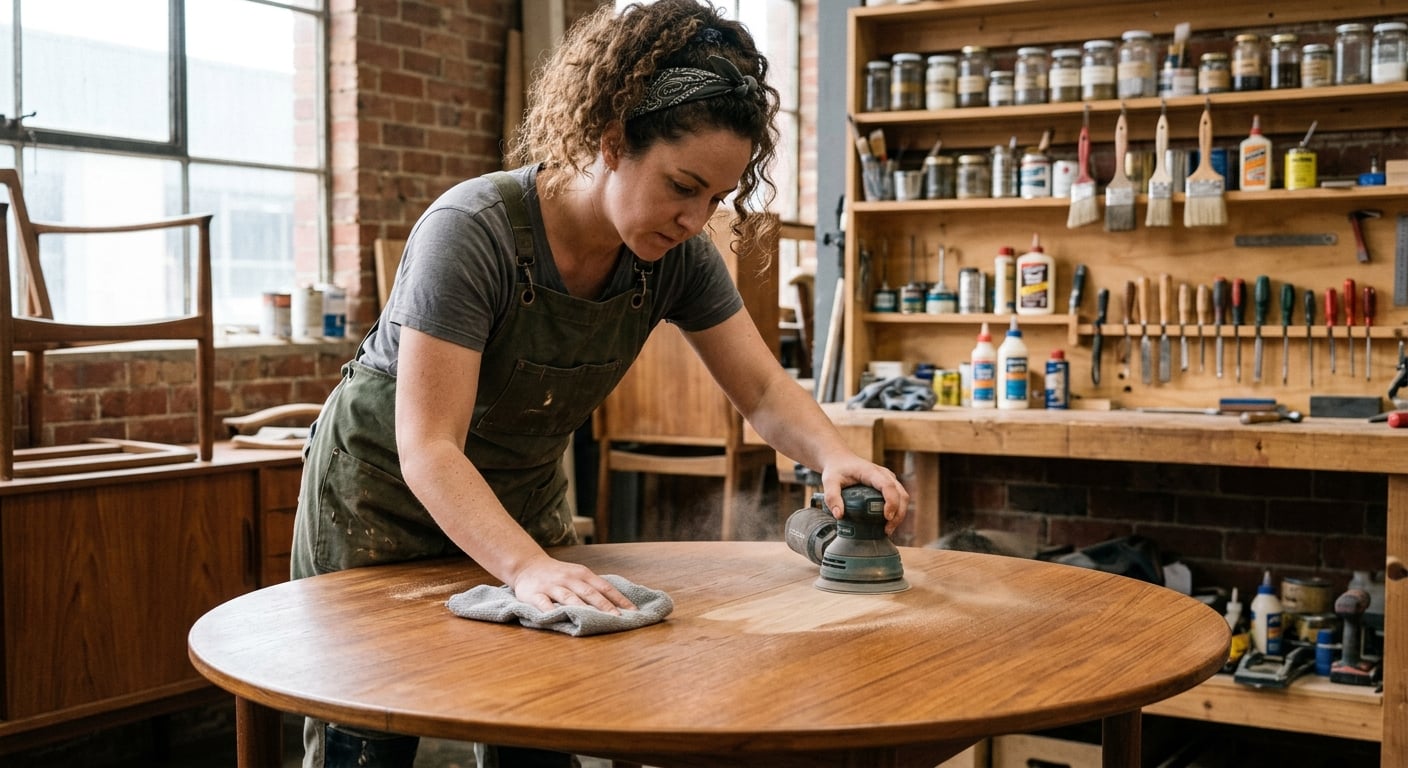
Successful preservation begins with a detailed inspection before any stripping, sanding, or repair work starts.
Photograph the furniture from several angles and record distinctive features, hardware positions, maker’s marks, and areas of existing damage. These records can help guide the restoration and reduce the risk of losing important details.
Next, identify the timber and determine whether the piece contains solid wood, veneer, or a combination of materials. Veneer and delicate decorative features require particular care because aggressive sanding can permanently remove original surfaces.
Avoid stripping an entire piece automatically. If the existing finish remains sound, cleaning, local repairs, or careful surface renewal may be more appropriate than complete removal.
When repairs are necessary, select compatible materials and techniques. Replacement timber should match the original as closely as practical in grain, colour, and profile. New finishes should complement the furniture’s design rather than conceal its natural character.
For delicate or historically significant pieces, professional restoration can help prevent avoidable damage and preserve the craftsmanship that makes the furniture special.
6. Balancing Preservation with Everyday Use
Antique furniture does not have to remain untouched or purely decorative to be preserved successfully. Many pieces can continue serving practical purposes when their structural condition is sound and repairs are carried out appropriately.
A dining table may need a stable surface and suitable protection against everyday spills. An antique cabinet may require attention to loose hinges, sticking drawers, or deteriorating joints.
The important distinction is between necessary repairs and unnecessary alterations. Stabilising a damaged leg can extend the life of a piece, while removing sound original timber simply to achieve a flawless appearance may do more harm than good.
Regular dusting, sensible placement away from excessive sunlight, prompt spill removal, and appropriate cleaning can also help protect original timber details after restoration.
By focusing on the furniture’s long-term condition rather than short-term appearance alone, owners can enjoy their pieces while respecting their history.
Protecting the Details That Make Antique Furniture Special
Original timber details are an essential part of antique furniture’s identity. They reveal traditional craftsmanship, preserve authentic design features, and may contribute to a piece’s historical and financial significance.
Thoughtful preserving original wood details practices, careful repairs, and informed antique furniture preservation decisions help retain the qualities that make older furniture unique. Equally, maintaining original timber features allows restorers to improve stability and usability without unnecessarily removing original material.
The most successful restoration is not always the one that makes furniture look brand new. It is the one that protects its craftsmanship, respects its history, and gives the piece a practical future while retaining as much of its original character as possible.