




Choosing the right cookware is an important part of creating a functional kitchen. Whether you enjoy preparing quick weekday meals or experimenting with new recipes, durable cookware can make cooking more enjoyable and efficient. Cast iron cookware has remained popular for generations because of its excellent heat retention, versatility, and ability to handle a wide range of cooking tasks.
From searing steaks to baking cornbread, cast iron pans can be useful for both everyday meals and special occasions. However, selecting the right piece requires understanding different types of cast iron cookware, its benefits, maintenance requirements, and cooking performance.
In this guide, you will learn how to choose cast iron cookware that suits your kitchen, cooking style, and budget.
1. Understand What Cast Iron Cookware Is
Cast iron cookware is made by pouring molten iron into molds to create pots, pans, skillets, and other cooking equipment. The material is known for its durability and ability to retain heat for extended periods.
Unlike some lightweight cookware, cast iron takes longer to heat up. However, once it reaches the desired temperature, it can maintain heat effectively, making it useful for searing, frying, roasting, and slow cooking.
Common types of cast iron cookware include:
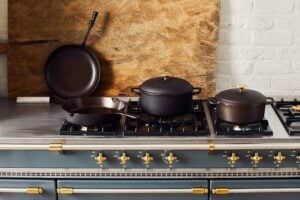
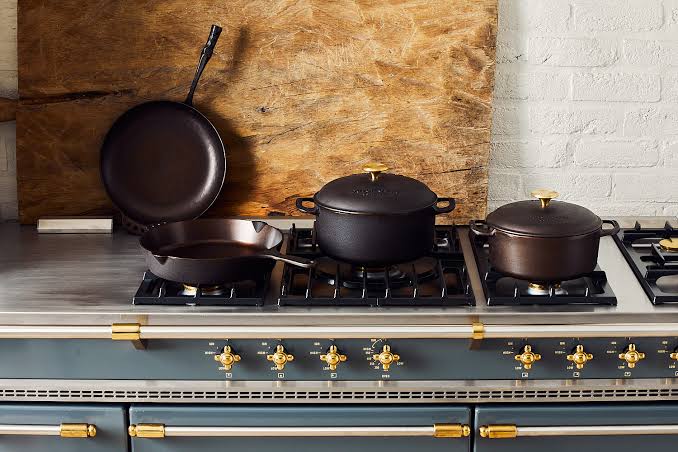
- Cast iron skillets: Suitable for frying eggs, searing meat, sautéing vegetables, and preparing one-pan meals.
- Dutch ovens: Useful for soups, stews, braised dishes, and slow-cooked recipes.
- Griddles: Ideal for pancakes, grilled sandwiches, and other foods that benefit from a broad cooking surface.
- Grill pans: Designed to create grill marks while cooking on a stovetop.
- Cast iron baking pans: Useful for cornbread, biscuits, and other baked dishes.
Understanding these options will help you select cookware that fits your everyday cooking needs.
2. Explore the Benefits of Cast Iron Cookware
Cast iron cookware offers several advantages that make it a valuable addition to many kitchens.
Excellent Heat Retention
Cast iron holds heat well, making it suitable for recipes that require steady cooking temperatures. This characteristic is particularly useful when searing meat or cooking foods that benefit from a hot cooking surface.
Versatile Cooking Options
Many cast iron pieces can be used on different heat sources, including gas and electric stovetops. Certain products are also suitable for induction cooktops, ovens, grills, or campfires. Always check the manufacturer’s specifications before using cookware with a particular appliance.
Long-Lasting Construction
With proper care, cast iron cookware can last for many years. Its durable construction makes it an option for people who prefer kitchen products that can be maintained and used over time.
A Natural Nonstick Surface
Seasoned cast iron can develop a relatively nonstick cooking surface. Seasoning is a layer of polymerized oil that helps protect the iron and improves cooking performance. Maintaining this layer requires suitable cleaning and occasional re-seasoning.
A Timeless Kitchen Design
Cast iron cookware often features a classic appearance that works well in traditional and contemporary kitchens. Some pieces can also move directly from cooking to serving, reducing the need for additional dishes.
3. Choose the Right Type of Cast Iron
Different types of cast iron cookware serve different purposes. Before purchasing, consider which meals you prepare most frequently.
Traditional cast iron: This cookware is generally thick and heavy, with excellent heat retention. It often requires seasoning and careful drying to protect the surface.
Enameled cast iron: This cookware has a glass-like enamel coating that protects the iron. It usually does not require traditional seasoning, although care instructions vary by product. Enameled cookware can be particularly useful for soups, sauces, and braised dishes.
Pre-seasoned cast iron: Many traditional skillets are sold with an initial seasoning layer, allowing you to start cooking after following the manufacturer’s preparation instructions.
Your choice depends on your cooking preferences, maintenance routine, and budget. Traditional cast iron can be appealing if you enjoy maintaining seasoning, while enameled cookware may suit people who prefer a coated cooking surface.
4. Consider the Size and Weight
Cookware size can significantly affect convenience. A pan that is too small may overcrowd ingredients, while an oversized pan can take up unnecessary storage space.
Consider these general options:
- Small skillets: Useful for individual portions, eggs, and side dishes.
- Medium skillets: Suitable for everyday meals for one or two people.
- Large skillets: Better for family meals, larger cuts of meat, and multiple servings.
- Dutch ovens: Available in different capacities for soups, stews, and batch cooking.
Weight is another important consideration. Cast iron is generally heavier than stainless steel or aluminum cookware. Choose a size that you can lift and handle comfortably, especially when the pan contains hot food.
Also consider the handle design, available storage space, and whether you will regularly transfer the cookware between the stovetop and oven.
5. Check Cookware Quality and Construction
Before buying cast iron cookware, examine its construction and practical features. Good cookware should suit your cooking habits and provide clear instructions for use and care.
Look for the following characteristics:
- Stable construction: The cookware should sit securely on the intended cooking surface.
- Comfortable handles: Handles should be suitable for lifting and maneuvering the pan safely.
- Suitable dimensions: The cooking surface should accommodate your usual portion sizes.
- Clear product information: Check material details, care instructions, and appliance compatibility.
- Consistent finish: Inspect the cooking surface and exterior for obvious defects.
Traditional cast iron may have a textured or smoother surface depending on its manufacturing process. A smoother finish can feel different during cooking, but surface texture alone does not determine overall quality.
Read product specifications carefully and compare practical features rather than relying only on appearance or marketing claims.
6. Learn How to Season Cast Iron
Seasoning is one of the most important aspects of maintaining traditional cast iron cookware. It helps protect the surface from rust and creates a layer that improves food release over time.
Although many skillets come pre-seasoned, seasoning may need to be refreshed through regular use and maintenance.
A general seasoning process includes:
- Clean the cookware according to its instructions.
- Dry it thoroughly to prevent rust.
- Apply a very thin layer of suitable cooking oil.
- Remove excess oil so the surface does not feel greasy.
- Heat the cookware according to the manufacturer’s recommended seasoning method.
- Allow it to cool safely before storing it.
Avoid applying an excessively thick layer of oil, which can create a sticky finish. Enameled cast iron should not be seasoned in the same way as traditional bare cast iron unless the manufacturer specifically directs otherwise.
7. Maintain Cast Iron for Long-Term Use
Proper care can help preserve cast iron cookware and maintain its cooking performance.
For traditional cast iron, clean the pan after use with suitable cleaning methods, remove food residue, and dry it thoroughly. A light coating of oil may help protect the surface when recommended by the manufacturer.
Here are some helpful maintenance tips:
- Avoid leaving traditional cast iron wet for extended periods.
- Dry the cookware completely after washing.
- Follow product-specific instructions for cleaning and seasoning.
- Avoid sudden temperature changes that could damage certain cookware.
- Use heat-resistant protection when handling hot handles.
- Store cookware in a dry location.
For enameled cast iron, follow the manufacturer’s cleaning instructions and avoid abrasive tools that could damage the coating. Some enamel surfaces may also require precautions against thermal shock.
Regular maintenance does not need to be complicated. Consistent cleaning, careful handling, and appropriate storage can help keep your cookware in good condition.
8. Understand What Foods Cook Best in Cast Iron
Cast iron is particularly useful for foods that benefit from steady heat and a well-heated cooking surface.
Searing Meat
A properly preheated skillet can help create a flavorful browned crust on steaks, chicken, and other suitable cuts of meat.
Cooking Vegetables
Cast iron can be used to roast or sauté vegetables. Allow the pan to heat properly and avoid overcrowding the cooking surface to encourage browning.
Preparing Breakfast
Eggs, potatoes, pancakes, and other breakfast foods can be prepared in cast iron. A well-maintained seasoning layer and appropriate cooking temperature can help reduce sticking.
Baking
Cast iron pans can be useful for cornbread, biscuits, skillet cookies, and certain breads. The pan retains heat well, which can contribute to browning.
Slow Cooking
Cast iron Dutch ovens are useful for braised dishes, stews, and recipes that require longer cooking times. Always follow the recommended temperature and liquid requirements for your recipe.
For highly acidic foods, such as tomato-based sauces, prolonged cooking in traditional bare cast iron may affect the seasoning or produce a metallic taste. Enameled cast iron can be a more suitable option for these recipes.
9. Compare Price and Long-Term Value
Cast iron cookware is available at different price points. Basic skillets may be relatively affordable, while premium cookware can cost more because of its design, finish, manufacturing process, or brand positioning.
When comparing options, consider the total value rather than the initial price alone.
Ask yourself:
- Does the cookware suit the meals I prepare?
- Is the size appropriate for my household?
- Will I be comfortable maintaining it?
- Is it compatible with my cooking equipment?
- Does the manufacturer provide clear care instructions and warranty information?
- Are the additional features worth the extra cost?
Premium cookware is not automatically the best choice for every kitchen. A more affordable skillet may meet your needs perfectly, while a specialized piece may be worthwhile if you use it frequently.
For shoppers comparing premium cast iron options, Smithey Ironware is one brand to research when evaluating cookware design, construction, available sizes, and pricing. Compare the specifications of individual products to determine which option best fits your needs.
10. Common Mistakes to Avoid When Buying Cast Iron
Avoiding a few common mistakes can help you make a more suitable purchase.
Choosing the wrong size: A pan that does not fit your usual portion sizes can make cooking less convenient.
Ignoring the weight: Heavy cookware may be difficult to handle if you have limited strength or mobility.
Overlooking maintenance: Traditional cast iron requires care to maintain seasoning and prevent rust.
Assuming all cookware works with every appliance: Check the manufacturer’s compatibility information before using a pan on an induction cooktop, in an oven, or on a grill.
Focusing only on appearance: Attractive cookware should also meet your requirements for cooking performance, comfort, and maintenance.
Expecting instant nonstick performance: Seasoning develops through proper care and use. Cooking temperature, food preparation, and the condition of the surface all influence food release.
Taking time to compare products can help you avoid unnecessary expenses and choose cookware you will enjoy using.
Conclusion
Choosing the right cast iron cookware starts with understanding your cooking habits, preferred materials, and maintenance requirements. Skillets, Dutch ovens, griddles, and other cast iron pieces each offer different benefits, so select cookware that supports the meals you prepare most often.
Pay attention to size, weight, construction, compatibility, and price before making a purchase. With proper seasoning and maintenance, traditional cast iron can provide years of useful service, while enameled options offer an alternative for people who prefer a coated surface.
By focusing on functionality and long-term value, you can choose cast iron cookware that makes everyday cooking more enjoyable and helps you build a practical, reliable kitchen.