




A modern kitchen is more than a place to prepare meals. It is a space where convenience, functionality, and style come together. Whether you enjoy experimenting with new recipes or preparing simple meals for your family, choosing the right cookware can make everyday cooking easier and more enjoyable.
From versatile pots and pans to practical cooking utensils, the right kitchen essentials can help you save time, organize your workspace, and prepare a variety of dishes. You do not need a kitchen full of expensive equipment to cook well. Instead, focus on selecting useful, durable, and easy-to-maintain items that suit your cooking habits.
In this guide, we will explore essential cookware, helpful kitchen tools, and simple ways to create a functional cooking space.
1. Choose Versatile Cookware for Everyday Meals
One of the easiest ways to improve your cooking experience is to invest in versatile cookware. Instead of purchasing separate pans for every recipe, look for items that can handle several cooking tasks.
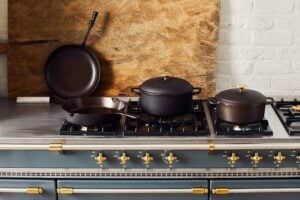
A frying pan is useful for preparing eggs, sautéing vegetables, and cooking smaller portions of meat or fish. A saucepan works well for heating sauces, preparing oatmeal, and cooking grains. A larger pot is ideal for soups, pasta, stews, and family-sized meals.
When choosing cookware, consider the following factors:
- Versatility: Select products that support several everyday cooking methods.
- Durability: Look for materials designed to withstand regular use.
- Ease of cleaning: Choose cookware with care requirements that fit your routine.
- Storage: Consider the available space in your cabinets and drawers.
- Compatibility: Check whether the cookware works with your stove or cooktop.
A small collection of well-chosen pieces can often be more practical than a large collection of rarely used items.
2. Understand Different Cookware Materials
Cookware materials affect heating performance, weight, maintenance, and cooking results. Understanding the main options can help you make an informed decision.
Stainless Steel
Stainless steel cookware is popular for its durability and versatility. It is suitable for browning ingredients, sautéing vegetables, and preparing sauces. Some foods may stick if the pan is not heated or used correctly, so learning proper cooking techniques is helpful.
Nonstick Cookware
Nonstick pans are convenient for cooking eggs, pancakes, and other delicate foods. They can also make cleanup easier. Follow the manufacturer’s instructions for heat limits, cleaning, and utensil use to protect the coating.
Cast Iron
Cast iron retains heat well and can be useful for searing, frying, and slow cooking. It is relatively heavy and usually requires specific care to maintain its seasoning and prevent rust.
Ceramic-Coated Cookware
Ceramic-coated cookware offers a smooth cooking surface and is available in many contemporary designs. Its performance and durability vary by product, so review the care instructions and avoid overheating it.
The best material depends on your preferred recipes, budget, and willingness to maintain your cookware.
3. Invest in Essential Pots and Pans
You can prepare many everyday meals with just a few essential pieces of cookware. Building your collection gradually also helps you avoid unnecessary purchases.
Consider starting with these kitchen basics:
- Frying pan: For eggs, vegetables, pancakes, and quick meals.
- Saucepan: For sauces, rice, oatmeal, and smaller portions.
- Stockpot: For pasta, soups, stews, and batch cooking.
- Sauté pan: For recipes that require more space and deeper sides.
- Lidded cooking pot: For simmering dishes and retaining moisture.
Before purchasing a cookware set, compare the pieces included with the meals you regularly prepare. A smaller set that matches your needs may offer better value than a larger collection with items you rarely use.
4. Make Cooking Easier With Helpful Kitchen Tools
Cookware is important, but the right accessories can also simplify meal preparation. A few practical utensils can help you complete everyday tasks more efficiently.
Useful kitchen tools include:
- Silicone or wooden spatulas for stirring and turning food.
- Tongs for handling vegetables, pasta, and cooked ingredients.
- A sturdy cutting board for preparing ingredients.
- Measuring cups and spoons for consistent recipes.
- A sharp kitchen knife for chopping and slicing.
- Mixing bowls for combining ingredients.
- A colander for draining pasta and rinsing produce.
Choose tools that are comfortable to hold, easy to clean, and suitable for your cookware. For example, nonstick pans generally benefit from utensils that will not scratch their cooking surface.
Keeping frequently used tools within easy reach can also make your kitchen more efficient.
5. Create a Functional and Organized Kitchen
An organized kitchen can make cooking feel less stressful. When ingredients, cookware, and utensils have designated places, you spend less time searching for what you need.
Start by keeping everyday items close to your main preparation area. Store pots and pans in an accessible cabinet, group utensils by purpose, and place frequently used ingredients where they are easy to reach.
Here are some simple organization ideas:
- Use drawer dividers to separate utensils.
- Arrange cookware by size and frequency of use.
- Store lids together to make matching them easier.
- Keep countertops clear of items you rarely use.
- Use containers to organize dry ingredients.
- Review your kitchen tools regularly and remove duplicates you do not need.
A functional kitchen does not have to be large. Thoughtful organization can help you make better use of the space you already have.
6. Select Cookware That Matches Your Cooking Style
Your cooking habits should guide your cookware choices. Someone who prepares quick breakfasts and lunches may need different equipment from someone who enjoys making large family dinners.
If you cook frequently, prioritize durable materials and pieces that are comfortable to use. If you have a busy schedule, easy-to-clean cookware may be particularly useful. For people with limited storage, stackable or compact designs can help keep cabinets organized.
You should also consider your cooking equipment. Not every pan works with every cooktop, and some cookware requires special care. Check product specifications before buying to make sure the item suits your kitchen.
By focusing on your actual needs, you can build a cookware collection that supports your lifestyle without creating clutter.
7. Maintain Your Cookware for Long-Term Use
Proper maintenance helps keep cookware in good condition and can extend its useful life. Different materials require different cleaning methods, so always follow the manufacturer’s care instructions.
For everyday maintenance:
- Allow cookware to cool appropriately before washing it.
- Use suitable cleaning products and nonabrasive tools when recommended.
- Avoid sudden temperature changes that could damage certain materials.
- Follow heat limits for nonstick and coated cookware.
- Dry items thoroughly when necessary to prevent moisture damage.
- Store pans carefully to reduce scratches and surface wear.
For nonstick cookware, avoid metal utensils unless the manufacturer specifically permits them. For cast iron, follow the recommended seasoning and drying routine.
Taking a little extra care after cooking can help protect your investment.
8. Make Everyday Cooking More Efficient
The right cookware works best when combined with simple cooking habits. A little planning can reduce preparation time and make weeknight meals more manageable.
Start by planning a few meals for the week. Check which ingredients you already have, prepare vegetables in advance when appropriate, and keep basic pantry staples available.
You can also make cooking easier by grouping similar tasks together. Chop ingredients before turning on the stove, measure seasonings in advance, and clean small items while food cooks when it is safe to do so.
Batch cooking is another useful strategy. Prepare larger quantities of suitable dishes, divide them into portions, and store them safely for later meals.
These habits help you spend less time managing your kitchen and more time enjoying the food you prepare.
9. Consider Style as Well as Functionality
Cookware can contribute to the overall appearance of your kitchen. Modern designs often feature coordinated colors, clean lines, attractive finishes, and thoughtful details that complement contemporary interiors.
However, appearance should not be the only consideration. A beautiful pan is less useful if it does not heat appropriately, fit your cooktop, or meet your maintenance preferences.
When comparing cookware collections, evaluate material, construction, comfort, included pieces, care requirements, and price alongside appearance. Reading product specifications and customer feedback can help you understand what to expect before making a purchase.
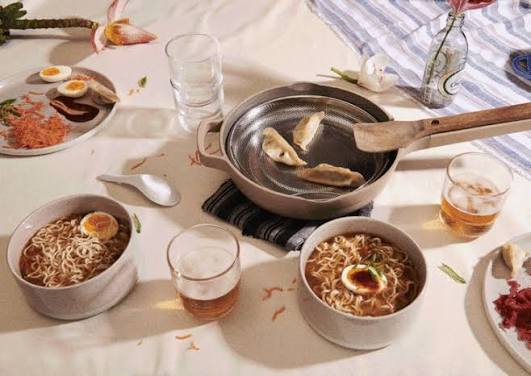
For shoppers exploring contemporary kitchen products, Our Place is one brand to consider when comparing cookware designs, available features, and options for everyday meal preparation.
10. Build a Kitchen That Works for You
Creating a modern kitchen does not require replacing everything at once. Start with a few essential pots and pans, add useful utensils, and organize your workspace around the way you cook.
Choose cookware that fits your recipes, household size, budget, and cooking equipment. Maintain it properly, keep frequently used tools accessible, and develop simple meal-preparation habits.
With the right combination of practical cookware and thoughtful organization, everyday cooking can become more convenient, efficient, and enjoyable. A well-equipped kitchen is not defined by how many products it contains, but by how well those products support your daily routine.