






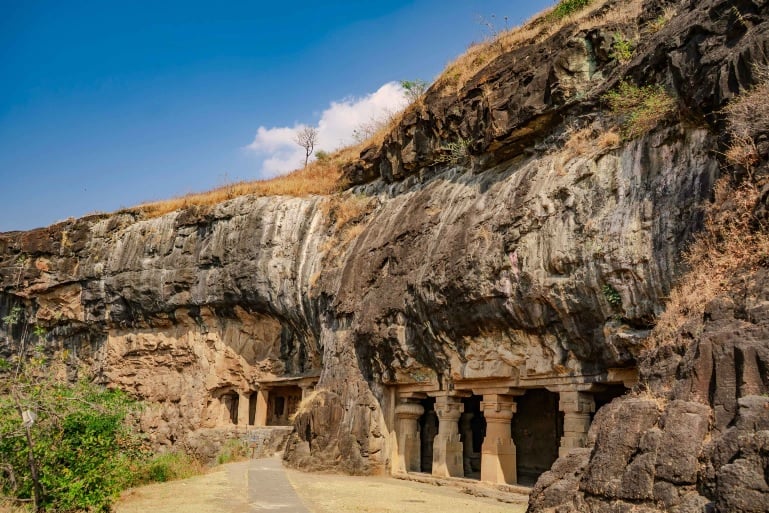
India has a total of twelve Jyotirlingas and five of these Jyotirlingas are located in Maharashtra, which makes the state one of the most important states for devotees of Lord Shiva. Faith, mythology, architecture, and the various Deccan landscapes come together during a pilgrimage through these temples.
Important spiritual and cultural sites may also be included in a Maharashtra Jyotirlinga Yatra. Every location, from ancient temple towns to forested hills, has its own unique personality and customs.
Understanding the Jyotirlinga Tradition
The twelve Jyotirlingas are said to be embodiments of Lord Shiva’s spiritual radiance. These are located throughout India, and each one is linked to various myths and sacred stories.
The five in Maharashtra include Bhimashankar, Trimbakeshwar, Grishneshwar, Aundha Nagnath, and Parli Vaijnath. Pilgrimage to these temples can serve as a time of prayer and study of the traditions of the region within Shaivism.
Bhimashankar: Shiva Amidst Nature
Bhimashankar, which is in the Pune region, is encircled by lush greenery and the Sahyadri landscape. The Bhima River, which eventually merges with the Krishna River, is said to have originated at the temple.
Travellers who like to combine pilgrimage with nature will also find the shrine appealing. A serene environment is created by hills, forests, and wildlife, but visitors should heed local advice.
A Shiva lingam that is customarily connected to the Ardhanarishvara form is kept in the temple. All year long, devotees travel, with large gatherings taking place on holidays like Shravan and Maha Shivaratri.
Parli Vaijnath: A Revered Shiva Shrine
Parli Vaijnath, located in the Beed district of Maharashtra, is perched on a hillock and draws followers all through the year. The rock shrine is surrounded by walls that serve to protect it and it has served as a pilgrimage centre for ages now.
According to the legends, the temple has always been associated with healing powers, strength and devotion. During the month of Shravan, the temple sees a large number of pilgrims coming to seek blessings through darshan and rituals.
The journey can be made more varied without detracting from its spiritual significance by combining a visit with other nearby cultural sites in the Ambajogai area.
Aundha Nagnath: History and Devotion
Among the twelve Jyotirlingas, Aundha Nagnath in the Hingoli district is traditionally recognised. While local customs link the location to the Mahabharata, the current temple is connected to the Seuna-Yadava era.
The history of the temple reflects centuries of changes in both architecture and religion. It is an important destination for those following Maharashtra’s sacred heritage because of its myths, architecture, and ongoing worship.
Before entering the shrine, visitors should give themselves enough time for darshan and become acquainted with temple customs.
Grishneshwar: Near the Ellora Caves
Grishneshwar Jyotirlinga is close to the renowned Ellora Caves and Verul. It has a special place in Shaiva pilgrimage traditions because it is considered the twelfth of the twelve Jyotirlingas.
The temple is renowned for its intricate stone architecture and atmosphere of devotion. Additionally, a visit to the temple can be combined with exploration of Ellora, a UNESCO World Heritage Site, thanks to its location.
Travellers who value religious and cultural heritage will find this area fascinating because it reflects layers of Deccan history.
Trimbakeshwar: Source of the Godavari
Trimbakeshwar is among the foremost shrines of Shiva in Maharashtra. This shrine is said to be connected with the birth of the Godavari, one of the important rivers of the Indian peninsula.
A holy image of Brahma, Vishnu, and Mahesh can be found in the temple’s unique sanctum. The town’s surroundings are connected to a number of significant religious sites as well as Nashik’s larger landscape.
Trimbakeshwar, which combines worship with the ambience of an old temple town, becomes a contemplative destination for many pilgrims.
More Than Five Temples
A well-planned Maharashtra Jyotirlinga tour can include other spiritual and cultural destinations too. Shirdi, for instance, is one such destination where Sai Baba was worshipped. Mumbai offers the chance to visit Siddhivinayak Temple, while Nashik offers places like Panchavati and Kalaram Temple.
Travellers may also visit nearby attractions, such as the Ellora Caves and historic monuments, depending on the itinerary. These additions situate the Jyotirlingas in the broader cultural context of Maharashtra.
Planning a Jyotirlinga Journey
When there is enough time to travel between temple towns, a Jyotirlinga yatra package usually works best. Distances between the five shrines can be significant because they are spread out across Maharashtra.
It’s helpful to wear comfortable clothes, appropriate shoes, and understand temple etiquette. Additionally, visitors should review each temple’s policies regarding photography, admission, offerings, and darshan arrangements.
October through March is a pleasant time of year to travel. Though they can draw larger crowds, Maha Shivaratri and Shravan are particularly significant religious occasions.
NTP Tourism Affairs Ltd. and Its Pilgrimage Options
For those planning religious travel, NTP Tourism Affairs Ltd. provides a number of packages. Bhimashankar, Parli Vaijnath, Aundha Nagnath, Grishneshwar, and Trimbakeshwar are all included in the five-night/six-day Maharashtra itinerary, which also includes stops at Shirdi and Mumbai.
Airport transfers, lodging, breakfast and dinner, transportation, and any applicable taxes are all included in the listed package; airfare, lunch, monument fees, and travel insurance are not. Before choosing an appropriate itinerary, travellers can benefit from knowing what is included thanks to these details.
Conclusion
The five Jyotirlingas of Maharashtra represent more than a journey through temples. They relate mythology to geography, architecture, traditions, and worship that have continued for many years.
Instead of viewing the trip as a checklist, pilgrims can take their time and learn about each shrine, whether they are travelling as part of a Jyotirlinga yatra package or planning an independent pilgrimage. The Maharashtra Jyotirlinga Yatra can develop into a significant investigation of faith and heritage with careful planning and a well-paced route.