






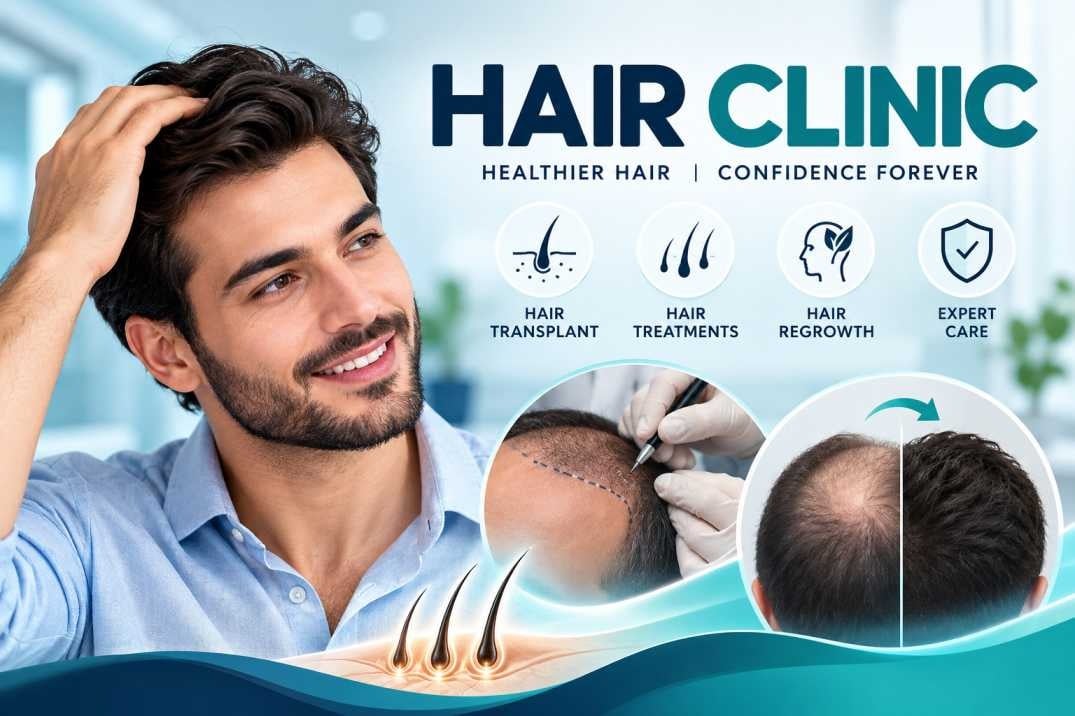
Healthy hair can contribute to confidence and overall appearance, but problems such as hair fall, thinning, dandruff, and scalp irritation can affect people of different ages. Finding the right treatment can be challenging because hair concerns may have several underlying causes. Choosing a professional hair clinic can help you understand your condition and explore suitable treatment options.
A reliable hair clinic evaluates your hair and scalp concerns, identifies possible causes, and recommends a personalized care plan. Before making a decision, it is important to consider the clinic’s expertise, available services, consultation process, safety standards, and approach to patient care.
1. Understand Your Hair Care Needs
Before selecting a hair clinic, identify the specific concern you want to address. Common hair and scalp problems include excessive hair shedding, gradual thinning, a receding hairline, dandruff, scalp itching, and patchy hair loss.
Different conditions may require different approaches. For example, temporary hair shedding can sometimes be associated with stress, nutritional deficiencies, hormonal changes, illness, or medication. Other conditions may involve hereditary hair loss or inflammatory scalp disorders.
Understanding your symptoms helps you explain your concerns during the initial consultation. However, avoid self-diagnosing based only on online information. A qualified medical professional can assess your symptoms and determine whether further examination or testing is necessary.
2. Check the Qualifications of Hair Specialists
One of the most important factors when choosing a hair clinic is the qualification and experience of its specialists. Hair and scalp conditions can have medical causes, so professional assessment is essential.
Look for a qualified dermatologist or another appropriately licensed medical professional with relevant experience in hair and scalp disorders. If you are considering a hair transplant, check the qualifications, surgical experience, and responsibilities of the medical team performing the procedure.
You can also ask whether the clinic provides medical evaluations before recommending treatments. A trustworthy provider should explain the possible causes of your condition, discuss available options, and answer your questions clearly.
3. Evaluate the Range of Hair Treatments
A good hair clinic should recommend treatments based on your individual condition rather than offering the same solution to every patient.
Depending on the diagnosis, available options may include medical treatments for hair loss, scalp care, nutritional assessment when indicated, and procedures designed to support hair restoration.
Some clinics also provide hair transplant consultations for suitable candidates. However, transplantation is not appropriate for everyone and requires careful assessment of hair loss patterns, donor hair availability, health factors, and expectations.
Ask the clinic to explain how each recommended treatment works, its expected benefits, potential side effects, limitations, and estimated duration. Be cautious of providers who promise guaranteed regrowth or immediate results.
4. Look for Personalized Consultation and Diagnosis
A quality consultation should involve more than a brief conversation or a sales presentation. The specialist should ask about your medical history, family history of hair loss, lifestyle, medications, and the duration of your symptoms.
Depending on your condition, the assessment may include examining the scalp, evaluating hair density, or recommending blood tests when medically appropriate.
A personalized treatment plan should address the likely cause of your concern. For example, treating a scalp condition may require a different approach from managing hereditary hair thinning.
The clinic should also explain when you might expect improvement and how progress will be monitored. Clear communication helps you make informed decisions and develop realistic expectations.
Read also: What Should Contractors Check Before Replacing a New Jersey Fire Pump?
5. Review Hygiene and Safety Standards
Safety should be a priority when selecting a hair clinic, particularly if you are considering injections, medical procedures, or hair transplantation.
Check whether the clinic maintains clean treatment areas, follows appropriate sterilization procedures, and uses properly handled equipment. Medical procedures should be performed by qualified professionals in suitable clinical settings.
Ask about potential risks, recovery requirements, follow-up appointments, and the process for addressing complications. Before agreeing to any procedure, make sure you understand the consent process and have received answers to your questions.
A professional clinic should never pressure you into purchasing a treatment before you understand its risks and benefits.
6. Compare Costs and Treatment Transparency
Hair care costs can vary depending on the diagnosis, treatment type, number of sessions, and duration of care. Comparing prices can help you plan your budget, but the lowest price does not necessarily represent the best value.
Request a clear breakdown of consultation fees, medication costs, procedure charges, follow-up visits, and any additional expenses that may apply.
Ask whether the proposed treatment requires ongoing maintenance and whether alternative options are available. A transparent hair clinic will explain the expected costs without making unrealistic guarantees about results.
Be careful with heavily discounted packages that encourage immediate payment or include unnecessary procedures.
7. Read Patient Reviews and Assess Communication
Patient reviews can provide useful insights into appointment scheduling, staff communication, cleanliness, and the overall treatment experience. Look for consistent patterns across multiple reviews rather than relying on a single positive or negative comment.
You can also ask whether the clinic can explain its treatment process and provide appropriate information about expected outcomes. Before-and-after photographs may be helpful, but they should be presented honestly, with suitable context and no misleading editing.
Pay attention to how the specialist communicates. You should feel comfortable discussing your concerns and asking questions without experiencing pressure or judgment.
8. Consider Follow-Up Care and Long-Term Support
Hair treatment often requires time, monitoring, and adjustments. Some conditions improve with short-term treatment, while others need ongoing management.
Before choosing a hair clinic, ask how follow-up appointments are arranged and how treatment progress is evaluated. Find out whom to contact if you experience side effects or have concerns between visits.
Regular monitoring allows the specialist to assess your response and adjust the treatment plan when necessary. Consistent follow-up can also help you understand what progress is realistic for your particular condition.
Conclusion
Choosing the best hair clinic involves more than comparing prices or selecting the provider with the most advertisements. It requires careful consideration of medical qualifications, diagnostic methods, treatment options, safety practices, transparent pricing, and follow-up support.
Start by understanding your hair concerns, arranging a professional consultation, and asking questions about the recommended treatment. Avoid clinics that promise guaranteed results or pressure you into unnecessary procedures.
By making an informed decision, you can find a hair clinic that supports your individual needs and helps you work toward healthier hair and better scalp health with realistic expectations.