




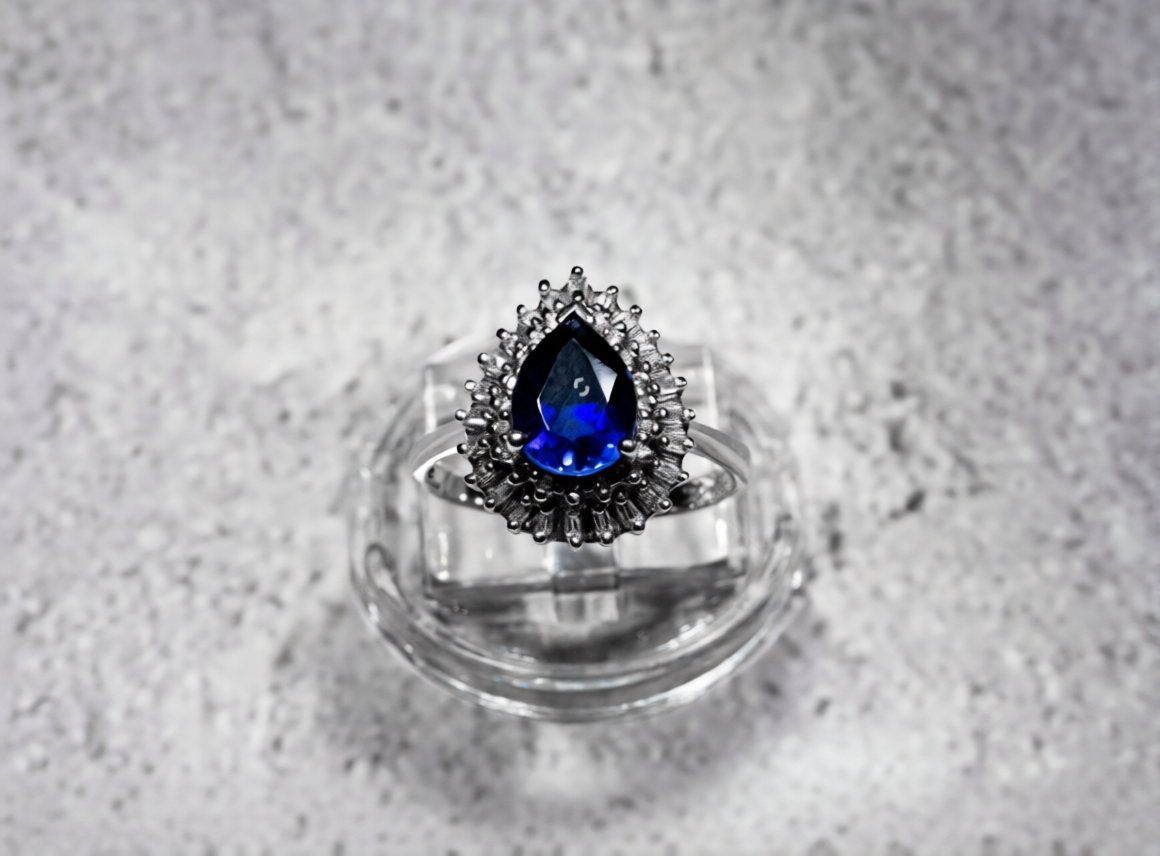
Choosing an engagement ring is an important decision, especially when you want a design that reflects your personal style and relationship. The pear-shaped diamond offers a distinctive combination of a rounded end and a pointed tip, creating an elegant silhouette that stands out from traditional round designs. Pear Cut Engagement Rings are available in several settings, but solitaire and halo styles remain popular choices for different reasons. A solitaire highlights the center diamond, while a halo surrounds it with smaller stones for added sparkle. Understanding their differences can help you choose a ring that suits your taste, budget, and lifestyle.
What Makes Pear Cut Engagement Rings Unique?
A pear-cut diamond, also called a teardrop-shaped diamond, combines the curves of a round cut with the elongated point of a marquise shape. Its distinctive outline can create an elegant appearance and make the finger look longer, depending on the diamond’s proportions and how the ring is worn.
This shape works with various settings, metals, and diamond sizes. Some designs emphasize a simple center stone, while others use additional diamonds to create a more detailed look.
The pointed tip is an important consideration when choosing a setting. A protective prong arrangement or a suitable bezel-style design can help reduce the risk of damage during everyday activities.
What Is a Solitaire Setting?
A solitaire engagement ring features one main center stone without a surrounding halo of smaller diamonds. The setting is designed to draw attention to the diamond’s shape, size, and overall appearance.
Benefits of a Solitaire Design
Highlights the pear shape: Without surrounding stones, the diamond’s teardrop outline remains the main visual feature.
Offers a timeless appearance: Solitaire rings have a clean, classic design that can remain appealing as jewelry trends change.
Provides styling flexibility: A simple setting can pair well with different wedding bands, including plain metal bands and diamond-accented styles.
Can simplify cleaning: With fewer small stones and less detailed metalwork, some solitaire designs are easier to clean and inspect.
A solitaire may be the right choice if you prefer understated jewelry or want the center diamond to receive the most attention.
What to Consider Before Choosing Solitaire
A solitaire places nearly all the visual emphasis on the center diamond. As a result, the diamond’s cut quality, symmetry, clarity, and proportions can have a noticeable effect on the ring’s appearance.
The setting also matters. Pear-shaped diamonds often need a prong at the pointed tip to help protect it from chipping. Ask the jeweler how the tip is secured and whether the design offers adequate protection for regular wear.
What Is a Halo Setting?
A halo engagement ring features a center diamond surrounded by a border of smaller diamonds or other gemstones. This additional detail creates a brighter, more decorative appearance.
For a pear-shaped center stone, the halo usually follows the teardrop outline. A well-designed halo can emphasize the shape while adding sparkle around the center diamond.
Benefits of a Halo Design
Creates additional sparkle: The surrounding stones reflect light and add brilliance to the overall ring.
Can increase the visual size: A halo expands the ring’s overall outline, making the center stone appear larger from a distance in some designs.
Offers a decorative finish: Halo settings can look elegant and detailed, making them appealing to people who prefer more elaborate jewelry.
Provides design variety: You can find single halos, double halos, and styles that combine a halo with a pavé band.
A halo may suit someone who wants a more noticeable engagement ring with plenty of detail and sparkle.
What to Consider Before Choosing Halo
Halo rings contain more small stones and additional metalwork than most solitaire designs. The extra details can require more careful cleaning and periodic inspection to check that the smaller diamonds remain secure.
A halo can also influence how a pear-shaped diamond looks. A thick border may soften the pointed outline, while a delicate halo can help preserve its distinctive shape.
If you want a balanced appearance, compare the halo’s width with the size of the center diamond before making a decision.
Pear Cut Engagement Rings: Solitaire vs. Halo
Both settings can showcase a pear-shaped diamond beautifully, but they create different visual effects.
| Feature | Solitaire Setting | Halo Setting |
|---|---|---|
| Overall style | Simple and classic | Detailed and decorative |
| Main focus | Center diamond | Center diamond and surrounding stones |
| Visual size | Emphasizes the center stone itself | Can make the ring appear larger overall |
| Sparkle | Primarily from the center diamond | Center diamond plus surrounding stones |
| Maintenance | Often simpler | More small stones to inspect |
| Wedding band pairing | Usually versatile | May require a contoured or carefully matched band |
| Best suited for | Minimalist preferences | A more embellished look |
Neither setting is universally better. The right choice depends on how much detail you prefer, how you plan to wear the ring, and which design feels most comfortable to you.
Which Setting Makes a Pear-Shaped Diamond Look Bigger?
If visual size is a priority, a halo setting is worth considering. The surrounding diamonds expand the ring’s outline, which can make the center stone appear larger than it would in a simple solitaire setting.
However, a halo does not increase the actual size or carat weight of the center diamond. The effect depends on the halo’s dimensions, the center stone’s proportions, and the overall design.
A solitaire can also create an elongated appearance when the pear-shaped diamond has well-balanced proportions. The best approach is to compare rings in person or review clear images from several angles rather than relying on carat weight alone.
How Do You Choose the Right Metal?
The metal can change the overall appearance of a pear-shaped engagement ring and influence how it coordinates with other jewelry.
White Gold or Platinum
White gold and platinum create a bright, neutral background that can complement the sparkle of a colorless diamond. They are popular choices for modern solitaire and halo settings.
Platinum is naturally white, while white gold commonly has a rhodium finish that may need refreshing over time.
Yellow Gold
Yellow gold creates a warm contrast with a colorless diamond and gives the ring a traditional appearance. It can work particularly well if you already wear yellow-gold jewelry.
Rose Gold
Rose gold has a soft pink tone that offers a distinctive alternative to traditional yellow or white metals. It can give a pear-shaped diamond a romantic appearance and works with both simple and detailed settings.
When selecting a metal, consider your existing jewelry, skin comfort, maintenance preferences, and budget.
What Should You Look for in a Pear-Cut Diamond?
The setting is important, but the center diamond also deserves careful attention.
Shape and proportions: Compare the diamond’s length-to-width ratio to find a silhouette you like. Some pear-shaped diamonds look slender, while others have a fuller outline.
Symmetry: The two sides should appear balanced, with a well-defined point and smoothly curved shoulders.
Cut quality and brilliance: Look for a diamond that reflects light attractively. Pear-shaped diamonds can show a dark area known as a bow-tie effect, so view the stone from different angles and under different lighting conditions.
Color and clarity: Choose a combination that fits your budget and appearance preferences. The setting and size of the diamond can affect how noticeable certain characteristics are.
Protection for the tip: Ask the jeweler about the prongs or other design features that protect the pointed end from impact.
For natural and lab-grown diamonds, compare grading reports and confirm what is included in the purchase.
How Do You Match a Wedding Band With a Pear-Shaped Engagement Ring?
The shape of the engagement ring can affect how a wedding band sits beside it.
A simple solitaire may pair easily with a straight band, depending on the setting’s height and shape. Some halo rings have a wider base that creates a gap when combined with a straight wedding band.
A curved or contoured band can follow the outline of the engagement ring and create a closer fit. Alternatively, a small gap can be part of the intended design.
Before buying both rings, try them together or ask the jeweler to check their compatibility. This is particularly helpful when the engagement ring has a large halo, a low setting, or a pointed pear-shaped design.
How Much Should You Spend on a Pear-Shaped Engagement Ring?
The price depends on several factors, including the center diamond’s carat weight, color, clarity, cut quality, origin, and the complexity of the setting.
A halo setting may involve additional diamonds and more detailed craftsmanship, while a solitaire may use less metalwork and fewer stones. However, the center diamond can account for a large portion of the total cost, so neither setting is automatically less expensive.
Set a comfortable budget before shopping and compare complete ring prices rather than focusing only on the center stone. Remember to consider maintenance, insurance if appropriate, and the cost of a matching wedding band.
Frequently Asked Questions
Is a solitaire or halo setting better for a pear-shaped diamond?
A solitaire is ideal if you want to emphasize the diamond’s natural outline. A halo is suitable if you prefer extra sparkle and a wider overall appearance. The best option depends on your personal style.
Does a halo make a pear-cut diamond look bigger?
A halo can make the ring look larger overall because the surrounding stones extend beyond the center diamond. It does not increase the center diamond’s actual carat weight.
Are pear-shaped engagement rings suitable for everyday wear?
Yes, provided the ring is well made and properly maintained. Because the pointed tip can be vulnerable to impact, choose a protective setting and remove the ring during activities that could damage it.
Which wedding band works best with a pear-shaped engagement ring?
A straight band may work with some designs, while others pair better with a curved or contoured band. The best fit depends on the engagement ring’s setting and profile.
Are halo engagement rings more expensive than solitaire rings?
They can be, because a halo uses additional diamonds and may require more detailed craftsmanship. However, the total price also depends on the center stone, metal, and quality of the finished ring.
Final Thoughts
Choosing between a solitaire and halo setting comes down to the appearance you want and how you plan to wear your engagement ring. Solitaire designs highlight the pear-shaped center diamond with a clean, timeless look, while halo settings add surrounding sparkle and can create a larger visual outline.
Compare the setting, diamond proportions, metal, comfort, and maintenance requirements before making your final choice. The right ring is one that reflects your personal style, protects the center stone, and feels meaningful for years to come.