



A garage door is exposed to changing outdoor conditions throughout the year, making it one of the most frequently used exterior features of a home. In Texas, intense summer heat, heavy rain, strong winds, and seasonal storms can gradually affect its performance. Homeowners looking for reliable residential garage door solutions can explore Oliver Garage Door to learn more about available garage door services and maintenance options.
Understanding how weather affects garage door components helps homeowners make better maintenance decisions. Whether you have an insulated steel door or a traditional sectional garage door, a few preventive steps can help maintain its condition and identify potential damage early.
1. Extreme Heat Can Affect Garage Door Materials
Texas summers can place considerable stress on garage door materials. Prolonged exposure to sunlight and high temperatures may affect painted finishes, exterior coatings, rubber seals, and other components.
Dark-colored garage doors can absorb more sunlight, which may contribute to surface fading over time. Temperature changes can also cause materials to expand and contract, placing additional stress on certain connections and moving components.
How to Reduce Heat-Related Damage
Homeowners can take several practical steps:
- Choose durable exterior finishes designed for outdoor exposure.
- Inspect the door’s surface for fading, cracks, or peeling paint.
- Check weather seals for signs of brittleness.
- Consider an insulated garage door to help reduce heat transfer.
- Keep the garage properly ventilated where appropriate.
Insulation is particularly useful for homeowners who use their garage as a workshop, storage area, or extension of their living space.
2. Heavy Rain Can Damage Weather Seals
Rainwater can enter a garage through damaged bottom seals, worn side weatherstripping, or gaps around the door frame. Even a small opening may allow water to reach stored belongings, flooring, or nearby building materials.
The bottom rubber seal plays an important role in limiting water, dust, and debris from entering the garage.
Signs Your Garage Door Needs Better Weather Protection
Look for:
- Water collecting near the garage entrance.
- Cracked or flattened bottom seals.
- Visible daylight around the closed door.
- Moisture near the side edges.
- Damaged exterior caulking around the frame.
Replacing worn weatherstripping can improve the door’s ability to protect the garage from outdoor conditions.
3. Strong Winds and Storms Can Affect Door Alignment
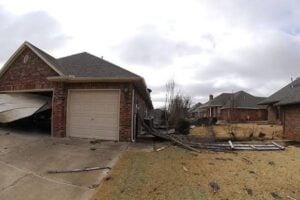
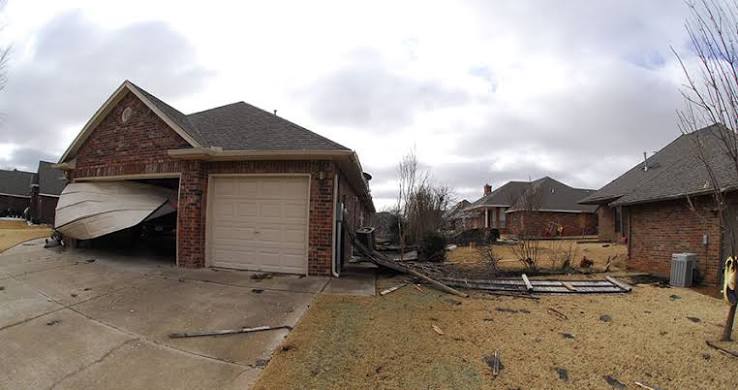
Severe storms can expose garage doors to flying debris, strong wind pressure, and sudden impacts. These conditions may damage panels, bend tracks, loosen hardware, or affect the door’s alignment.
A garage door that no longer closes evenly should not be ignored. Misalignment can create additional stress on rollers, hinges, cables, and the opener.
After a major storm, inspect the door from a safe distance. Look for dents, visible gaps, loose exterior components, and unusual movement.
If the door appears bent, unstable, or difficult to operate, contact a qualified garage door technician instead of forcing it open or closed.
4. Humidity Can Contribute to Rust and Component Wear
Moisture in the air can affect metal garage door components, especially when protective coatings become damaged.
Springs, brackets, hinges, tracks, and fasteners should be checked periodically for visible corrosion or unusual wear.
Although not every metal component will rust at the same rate, regular inspections can help identify developing issues before they interfere with normal operation.
Homeowners should also avoid allowing standing water to remain around the garage entrance.
5. Temperature Changes May Affect Garage Door Performance
Garage doors rely on several interconnected components working together. Temperature fluctuations can influence lubrication, rubber seals, and the performance of moving hardware.
For example, a worn seal may become less flexible over time, while insufficient lubrication can contribute to friction and unusual operating noises.
If your garage door begins moving unevenly, making grinding sounds, or reversing unexpectedly, the issue may require professional inspection.
6. Create a Seasonal Garage Door Maintenance Routine
Preventive maintenance does not need to be complicated. A regular inspection schedule can help homeowners notice problems before they become more disruptive.
Consider including these tasks in your seasonal home maintenance routine:
- Inspect the exterior panels for visible damage.
- Check weatherstripping along the bottom and sides.
- Keep tracks free from accumulated dirt and debris.
- Look for corrosion on exposed metal components.
- Listen for unusual noises during operation.
- Check the opener’s safety features according to its manufacturer’s instructions.
Regular maintenance can help identify worn components, damaged weather seals, and minor mechanical issues before they become more serious. Following a consistent inspection schedule and arranging professional garage door maintenance services when needed can help support smooth operation and protect the door from everyday wear.
Do not attempt to adjust high-tension springs, cables, or bottom brackets yourself. These components can cause serious injuries and should be handled by trained technicians.
7. When Should You Consider Professional Garage Door Service?
Some weather-related problems can be identified through a visual inspection, but not every issue is suitable for DIY repair.
Professional assistance may be necessary when:
- The garage door comes off its tracks.
- A spring appears broken.
- The door becomes unusually heavy.
- Panels are visibly bent or damaged.
- The opener struggles to lift the door.
- The door does not close or seal properly.
Addressing these problems early can help prevent additional damage to connected components.
Conclusion
Texas weather can create different challenges for residential garage doors, from intense sunlight and moisture to storm-related damage. Regular inspections, effective weatherstripping, suitable insulation, and timely repairs can help homeowners maintain reliable garage door performance.
Rather than waiting until a door stops working, make seasonal maintenance part of your home care routine. Paying attention to small warning signs can help protect your garage, improve everyday convenience, and reduce the likelihood of unexpected repair problems.
Frequently Asked Questions
1. Can extreme heat damage a garage door?
Yes. Prolonged exposure to high temperatures and sunlight may contribute to fading, seal deterioration, and material expansion.
2. How can I protect my garage door from heavy rain?
Inspect the bottom seal, side weatherstripping, and surrounding frame regularly. Replace damaged seals to help reduce water entry.
3. How often should a garage door be maintained?
A visual inspection every month is a useful routine. Professional maintenance should follow the manufacturer’s recommendations and be arranged whenever unusual problems develop.