





Shopping bags are designed to combine carrying capacity with everyday practicality, but choosing the right one involves more than simply selecting a size or colour. The intended use, material, handle design, interior organization, closure, and overall construction can all affect how useful a bag becomes in daily life.
Modern shopping bags range from simple reusable totes to structured styles that can transition between shopping, commuting, work, and casual outings. Some designs prioritize spacious storage, while others focus on organization, comfort, or appearance. Understanding these differences makes it easier to choose a bag that fits a particular routine.
What Are Shopping Bags?
A shopping bag is generally a bag designed to carry purchases and other personal belongings. Traditional shopping bags can be made from paper or plastic, while reusable versions are commonly produced from fabric, synthetic materials, or other durable constructions.
Fashion-oriented shopping bags often serve a broader purpose. Rather than being used only to transport purchases, they can function as everyday carryalls for work, commuting, travel, or social activities.
Structured designs can provide more shape and organization, while softer bags may offer greater flexibility when carrying different types of items.
Why Size Matters
Size is one of the first characteristics to consider when choosing shopping bags.
A smaller bag may be sufficient for short shopping trips or carrying a few personal belongings. Medium-sized options can provide a balance between capacity and portability, while larger bags are useful when more items need to be carried.
However, the largest option is not necessarily the most practical. An oversized bag can become uncomfortable when heavily loaded, particularly if the handles are not designed for extended carrying.
Consider what the bag will normally contain before selecting its dimensions. A person using a bag for occasional shopping may have different requirements from someone carrying work materials, personal accessories, and purchases throughout the day.
Choosing the Right Material
Material affects appearance, durability, weight, and maintenance.
Common options include:
- Cotton and canvas
- Polyester and other synthetic fabrics
- Polyurethane-based materials
- Leather and leather alternatives
- Woven materials
- Paper for short-term use
Each material has different characteristics. Fabric bags may be lightweight and flexible, while structured synthetic materials can provide a more defined shape. Leather can offer a distinctive appearance but may require more specific care.
The appropriate material depends on how frequently the bag will be used and the conditions in which it will be carried.
Handles and Carrying Comfort
Handles can significantly influence how practical a shopping bag is.
Long shoulder handles allow the bag to be carried against the body and can leave the hands free for other activities. Shorter handles may provide a more traditional hand-carry option.
Some designs combine both approaches, allowing the user to change how the bag is carried according to the situation.
Handle width and attachment points are also worth considering. A narrow handle can become uncomfortable when a bag is heavily loaded, while reinforced attachment points can contribute to durability.
Interior Organization
A large compartment provides plenty of capacity, but organization can be equally important.
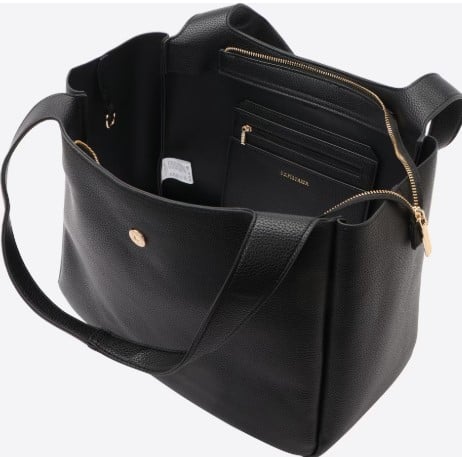
Interior zip pockets can help secure smaller valuables, while slip pockets can make frequently used items easier to find. Some shopping bags also use removable pouches or organizers to separate smaller belongings from larger items.
The collection at Abbracci Malta, for example, includes shopping-bag designs with features such as organized interiors, interior zip and slip pockets, and different closure styles.
Before choosing a bag, consider the objects that need to be carried regularly. Someone who carries keys, a phone, cards, cosmetics, and other small items may benefit from several compartments rather than one large open space.
Open Versus Secure Closures
The type of closure can influence convenience and security.
Open-top bags provide quick access and can be useful when items need to be placed inside or removed frequently. Zip-top designs provide a more secure closure and can help keep belongings contained while commuting or moving through busy areas.
Magnetic closures offer another option, combining relatively quick access with some additional security compared with a completely open design.
There is no universally appropriate closure. The best choice depends on how and where the bag will be used.
Shopping Bags and Everyday Fashion
Modern shopping bags can overlap with everyday fashion accessories. A structured shopper can complement professional clothing, while a softer or patterned design may suit casual outfits.
Colour also affects versatility. Neutral shades such as black, brown, beige, or navy can work across many outfits, while brighter colours and distinctive patterns can make the bag a more noticeable part of an outfit.
The important consideration is whether the design matches both the user’s wardrobe and practical needs.
Shopping Bags Versus Handbags
The distinction between shopping bags and handbags for women is not always strict. A handbag may be designed primarily for personal essentials, while a shopping bag generally emphasizes additional carrying capacity.
However, many contemporary designs serve both purposes. A spacious shopper can carry everyday essentials while also providing room for purchases, documents, or other belongings.
For someone who wants one versatile accessory rather than separate bags for different activities, a structured shopping style can provide a useful middle ground.
Choosing Bags in Malta
When comparing handbags in Malta, shoppers may want to consider the local lifestyle and the situations in which the bag will be used.
A lightweight design can be practical for everyday movement, while a larger structured bag may be useful for shopping or work. Secure closures can also be worth considering for people who regularly carry belongings through crowded areas.
Material and maintenance matter as well. A bag that is frequently exposed to dust, occasional moisture, or intensive daily use should be relatively easy to clean and maintain.
Abbracci Malta’s current shopping-bag collection includes structured, reversible, chain-handle, and patterned designs, with different sizes, colours, closures, and interior configurations.
How to Care for a Shopping Bag
Proper care can help preserve a bag’s appearance and construction.
For many synthetic or PU-style materials, gentle cleaning with a soft, slightly damp cloth is preferable to harsh cleaning products. The manufacturer’s care instructions should always take priority because different materials respond differently to moisture and cleaning agents.
When storing a bag, avoid excessive heat and direct sunlight. Structured bags can benefit from being stored upright or lightly filled so they retain their shape.
Avoid overloading the bag beyond what its handles and construction are designed to support. Excessive weight can place unnecessary stress on seams, handles, and attachment points.
What to Look for Before Buying
A practical checklist can make comparison easier:
- Purpose: Determine whether the bag is mainly for shopping, work, commuting, travel, or general everyday use.
- Capacity: Choose a size that accommodates typical belongings without unnecessary bulk.
- Material: Consider durability, appearance, weight, and maintenance.
- Handles: Check whether shoulder or hand carrying is more appropriate.
- Organization: Look for pockets or compartments if small items need to remain accessible.
- Closure: Decide whether open access or additional security is more important.
- Style: Choose a colour and shape that works with the user’s usual wardrobe.
- Construction: Examine stitching, handle attachments, closures, and overall finish.
Thinking through these points can prevent a purchase based solely on appearance.
Conclusion
The right shopping bags should balance capacity, comfort, organization, construction, and personal style. A bag that looks appealing but does not accommodate everyday needs may become inconvenient, while a practical design with suitable handles, compartments, and durable materials can become a useful part of a regular routine. For shoppers exploring different styles, Abbracci offers a current collection featuring structured, reversible, chain-handle, and patterned shopping bags, alongside a broader selection of bags and accessories; these details describe the retailer’s own current collection rather than an independent assessment of its products.