






Fried food is popular because of its crisp texture, rich flavor, and satisfying taste. From golden fries and onion rings to fried chicken and crispy snacks, these foods can attract customers with their appearance alone. However, the way fried food is served also matters. Clean presentation, suitable serving containers, and thoughtful packaging can make a meal look more inviting.
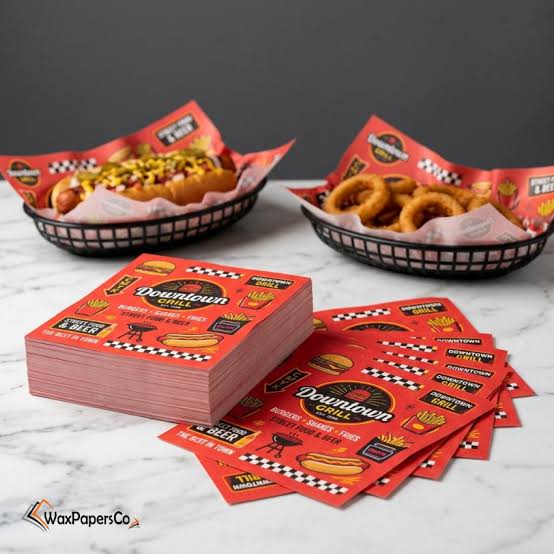
Restaurants can improve the appearance of fried food by choosing the right serving materials and keeping each order neat. Using food tray liners wholesale can help businesses create a consistent presentation while keeping serving trays and baskets tidy. Small details, such as arranging food carefully and preventing excess oil from spreading, can make a noticeable difference to the customer experience.
Choose the Right Serving Container
The container is one of the first things customers notice when they receive their food. A suitable tray, basket, or plate helps keep fried items organized and makes the meal easier to enjoy.
The size of the container should match the portion. If it is too large, the food may look scattered or move around during handling. If it is too small, items may be crowded together and lose their attractive appearance.
Restaurants should also consider how the food will be served. Dine-in meals may work well in open baskets or trays, while takeout orders often need packaging that protects the food during transport. Choosing a container based on the serving method can help keep the presentation neat.
Keep Fried Food Looking Crisp
Crispness is an important part of the fried food experience. Although packaging cannot keep food crisp forever, the right serving choices can help reduce problems caused by trapped steam and excess moisture.
Freshly fried food should be handled carefully and served in a way that allows excess steam to escape when appropriate. Sealing very hot fried items in unsuitable packaging may cause moisture to collect, which can soften the outer coating.
Restaurants should also avoid leaving fried food in covered containers longer than necessary before serving. A well-planned kitchen process helps food reach customers while its texture and appearance are still appealing.
Manage Excess Oil
Fried foods naturally contain some oil, but too much visible grease can make a meal look messy. Oil spreading across a tray or soaking through unsuitable materials may affect the presentation and make the food harder to handle.
Restaurants can use food-contact materials designed for the specific type of food being served. A suitable liner can help keep serving surfaces cleaner and provide a more organized appearance. However, the liner should be appropriate for the food, temperature, and intended use.
Staff should also allow excess oil to drain when needed before placing fried items in their serving containers. This simple step can help reduce oily residue without changing the flavor of the food.
Arrange Food with Care
How food is arranged can change the way a meal looks. Placing fried items in an organized pattern often makes them appear more appetizing than simply dropping them into a container.
For example, fries can be grouped neatly beside a burger, while onion rings can be arranged in a small stack. Fried chicken pieces can be positioned to show their golden coating without crushing smaller items underneath.
Portion size also matters. Leaving a little space between certain items can make the meal easier to pick up and help prevent the food from looking crowded. The goal is to create a natural, tidy presentation rather than an arrangement that feels overly complicated.
Use Clean and Suitable Liners
A clean liner can improve the appearance of a serving tray or basket. It creates a clear surface for the food and helps the meal look organized. Printed or colored liners may also support a restaurant’s visual identity when used appropriately.
However, appearance should never come before suitability. Any liner that touches food should be intended for food contact and appropriate for the food’s temperature and oil content. Restaurants should follow the supplier’s instructions for safe use.
Liners should also be placed neatly inside the tray. Wrinkled, torn, or poorly fitted paper can make a meal look untidy. Taking a moment to position the liner properly can help create a more professional presentation.
Choose Colors That Complement the Food
Color can influence how customers view a meal. Golden fried chicken, brown onion rings, and light-colored fries already have natural tones that can look appealing against a clean serving surface.
Restaurants can choose tray and liner colors that complement the food rather than compete with it. Neutral shades can create a simple, clean look, while brighter colors may suit casual dining spaces and takeaway brands.
The design should remain easy to look at. Too many colors or busy patterns can distract from the food itself. A simple combination often makes the meal stand out more effectively.
Make Takeout Orders Look Neat
Fried food is often ordered for takeaway, which creates extra challenges. Containers must protect the meal while making it easy to carry. Poorly packed orders can shift during transport, causing food to pile up or sauces to spill.
Restaurants should select packaging that fits the portion and provides enough room to prevent crushing. Items that need to stay separate should be packed accordingly. Sauces and dips can be placed in secure containers to reduce the chance of leaks.
It is also useful to check each order before handing it over. A quick inspection can catch loose lids, messy packaging, or missing items. These small checks help maintain a consistent standard, even during busy periods.
Keep Presentation Consistent
Customers often appreciate receiving the same quality and presentation every time they visit a restaurant. Consistency makes the business feel organized and shows that staff pay attention to details.
Restaurants can create simple serving guidelines for popular menu items. These may explain which container to use, how much food to serve, and how to arrange each portion. Clear instructions help new and experienced staff follow the same approach.
Consistency does not mean every meal needs to look identical. It means each order should meet the same basic standards for cleanliness, portion size, and presentation.
Consider the Customer’s Convenience
A meal should look appealing and be easy to eat. Containers that are difficult to hold or liners that move around can make the experience less enjoyable. Restaurants should consider how customers will pick up, carry, and eat their food.
For dine-in service, trays should be stable and easy to handle. For takeaway orders, packaging should close securely without putting pressure on delicate fried coatings. Napkins and sauces should also be easy to find when they are included with the order.
Thinking about convenience helps restaurants create a better experience from the first look to the final bite.
Train Staff to Follow Good Serving Practices
Even attractive serving materials cannot replace careful handling. Staff should know how to drain excess oil, arrange portions, select the right container, and keep serving areas clean.
Simple training can help reduce common problems. Restaurants may use a short checklist for checking food appearance, container condition, and order completeness before serving. These habits can make a real difference during busy meal periods.
Managers can also review customer feedback and look for recurring concerns. If customers regularly mention messy trays or soggy fried food, the restaurant can test changes to its preparation, serving, or packaging process.
Conclusion
Making fried food more appealing does not require expensive changes. Choosing suitable containers, managing excess oil, arranging portions neatly, and keeping serving materials clean can improve the way meals look and feel. Restaurants should also select food-contact materials carefully and consider how each order will be served or transported. With thoughtful presentation and appropriate printed food paper, businesses can create a cleaner, more consistent serving experience that helps customers enjoy their favorite fried foods.