


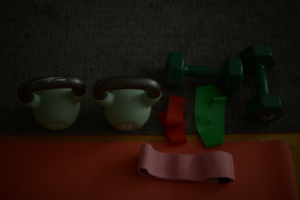


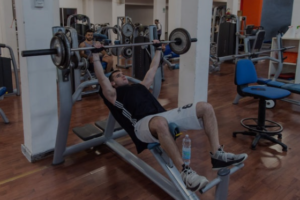

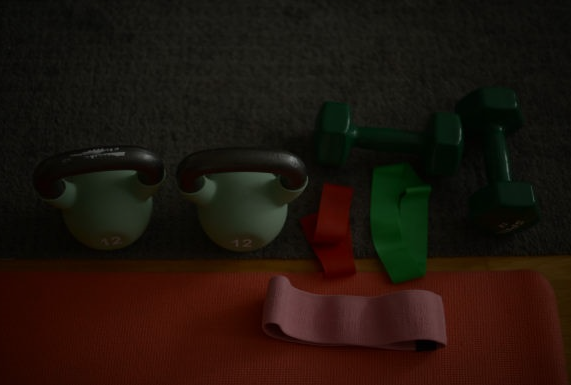
Building a home gym sounds simple until you realize how quickly equipment can take over a small room. The challenge is finding pieces that let you train effectively without sacrificing any open space. Dumbbells, kettlebells, and resistance bands each solve that problem differently, giving you flexible ways to build strength, add resistance, and keep workouts varied. The right combination can cover far more exercises than many bulky machines while remaining easy to store.
If you are working with limited space, this strength training equipment can help you create a practical setup that supports consistent training without making your home feel crowded.
Key Takeaways
- Choose equipment that supports several exercises instead of one movement.
- Adjustable weights can reduce the amount of storage space required.
- Kettlebells work well for both controlled strength exercises and dynamic movements.
- Resistance bands provide lightweight resistance with almost no storage demand.
- Leave enough open floor space to exercise safely and move comfortably.
Guide to Choosing Strength Training Equipment for a Small Space
Dumbbells Offer Flexible Resistance
Dumbbells are one of the most practical choices for a compact home gym because they can be used for a wide range of exercises. Presses, rows, squats, lunges, curls, raises, and loaded carries can all be performed without large machines.
For limited spaces, adjustable dumbbells can be especially useful. Instead of storing several pairs at different weights, one adjustable system can provide multiple resistance levels. This makes it easier to progress over time without adding more equipment to the room.
A dumbbell barbell set can also be useful when you want more flexibility between single-arm exercises and traditional barbell-style movements. Before buying, check how much room the set requires when fully assembled and whether the weight plates can be stored neatly.
Dumbbells work best when there is enough clear floor space to move safely through each exercise.
Kettlebells Add Different Movement Options
Kettlebells can complement dumbbells because their shape changes how the weight is carried and controlled. The handle allows the weight to move differently during exercises such as goblet squats, kettlebell deadlifts, rows, presses, and carries.
They can also be used for more dynamic movements such as swings, but those exercises require enough open space and proper technique.
For a smaller gym, you may not need a large collection. One or two carefully selected weights can cover several exercises. Adjustable kettlebells are another form of compact workout equipment that can reduce storage demands while still giving you multiple resistance levels.
Kettlebells are particularly useful when you want to combine strength work with exercises that challenge grip, coordination, and full-body control.
Resistance Bands Save the Most Space
Resistance bands take up very little room, making them one of the easiest additions to a small home gym.
Different band styles serve different purposes. Loop bands can be useful for lower-body work, mobility, and activation exercises. Longer resistance bands can support rows, presses, assisted pull-ups, and stretching. Some sets also include handles or door anchors for additional exercise options.
Unlike free weights, bands provide resistance that changes as they stretch. This creates a different training feel and can help add variety to a routine built around dumbbells or kettlebells.
Bands are also easy to store in a drawer, basket, or wall organizer, making them practical fitness products for rooms that need to serve more than one purpose.
Combine Equipment Instead of Buying Duplicates
A small gym works better when each item has a clear role.
Rather than buying several tools that all perform the same function, combine equipment that supports different training needs. Dumbbells can handle traditional resistance work, kettlebells can add loaded carries and dynamic exercises, and resistance bands can support mobility, assistance, and lighter accessory movements.
This approach gives you more training variety without crowding the room.
The same principle applies if your gym includes cardio equipment. A folding exercise bike, for example, may work better than a fixed machine if you need to free floor space between sessions. Equipment that can fold, stack, or store vertically is often more practical in bedrooms, offices, garages, or shared living areas.
Plan for Progressive Resistance
Good strength training equipment should allow your workouts to become more challenging over time.
If you buy weights that are too light, you may outgrow them quickly. If they are too heavy, the exercise technique can suffer. Adjustable options make progression easier because resistance can increase gradually as your strength improves.
Resistance bands can also support progression by offering different tension levels. You can move from lighter to heavier bands or combine bands when appropriate.
Think about the exercises you already perform and the movements you want to add later. Building a setup around progression is more useful than buying equipment based only on what feels suitable today.
Keep Enough Open Training Space
Storage is important, but usable workout space matters just as much.
A room can technically hold several pieces of equipment and still be difficult to train in. You need enough space to perform lunges, presses, rows, floor exercises, and loaded carries without hitting furniture or other equipment.
Store weights close to a wall when they are not being used. Resistance bands can hang from hooks or fit inside a small container. Adjustable equipment can further reduce clutter.
Well-organized strength training equipment makes the room safer and reduces the time spent setting up or moving items before each workout.
Conclusion
A useful home gym does not need dozens of machines or a dedicated room. A focused combination of dumbbells, kettlebells, and resistance bands can support a broad range of strength exercises while leaving enough room to move.
Start with the equipment that matches your current routine, then add resistance or new tools when they solve a specific training need. Prioritize adjustability, easy storage, and exercise variety over quantity.
With the right strength training equipment, even a small space can support consistent strength work, gradual progression, and a routine that remains practical for everyday home training.
FAQs
Can I Use These Tools Outdoors?
Check the manufacturer’s environmental guidance. Moisture, heat, direct sunlight, and abrasive surfaces can affect equipment materials. Bring portable items indoors after use, and avoid anchoring bands to surfaces or fixtures not approved for that purpose.
Should Two People Share One Adjustable Set?
They can if the resistance range suits both users, and changing settings is practical. Each person should confirm the lock before lifting. Different exercise schedules or widely different starting loads may make a second set more convenient.
How Do I Check a Secondhand Weight?
Look for cracks, damaged threads, loose handles, missing collars, or unreliable adjustment mechanisms. Ask for the model details and instructions. If a safety-critical part is damaged or cannot be checked, choose another item.