




Ever finish a workout feeling overheated despite wearing your lightest gym shirt? Or notice that a slightly heavier top feels surprisingly comfortable during intense training? Fabric weight alone doesn’t determine how well your workout clothes handle sweat, heat, and movement. Sometimes, the lightest option isn’t the coolest.
Choosing between breathable activewear and lightweight clothing comes down to what your workout demands. A strength session, outdoor run, and recovery stretch challenge your clothes differently. Understanding how these fabrics perform can help you build a workout wardrobe that feels comfortable from warmup to cooldown.
Key Takeaways
- Breathability vs. weight: Breathable fabrics support ventilation, while lightweight materials reduce bulk without necessarily improving airflow.
- Workout-specific performance: Cardio favors heat release, lifting demands fit stability, and yoga benefits from flexible construction.
- Training conditions matter: Sweat levels, outdoor temperatures, and repetitive movements determine which fabric features provide greater comfort.
Lightweight vs. Breathable Activewear: 6 Key Differences Across Workouts
Heat Release During Cardio
A steady treadmill run raises body temperature even when the gym feels cool at the start. As your pace increases, breathable activewear can help warm air and water vapor move away from your skin, particularly when the fabric has an open construction. That makes ventilation worth prioritizing for sustained running or indoor cycling.
A lightweight shirt offers a different kind of comfort: less fabric to carry through each stride. It can be pleasant for easy cardio in a well-ventilated room, but low weight does not guarantee airflow. For long, high-effort cardio, examine the fabric’s ventilation; for a relaxed session, a light feel may matter more.
Fit Stability During Lifting
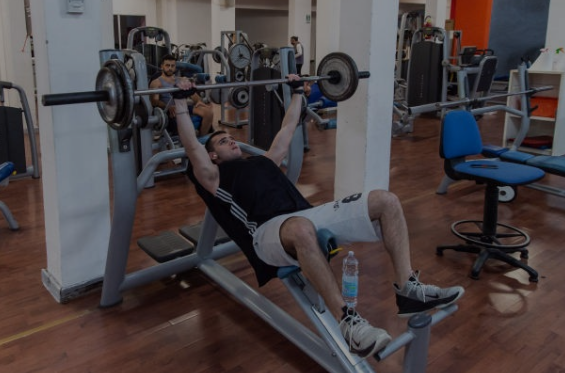
During squats, rows, and overhead presses, a shifting hem can be more distracting than the exercise itself. A breathable lifting top works well when it’s cut, and it also holds the garment in place. Look for dependable shoulder coverage and a hem that stays put as you change positions, especially during circuits with little rest.
Lightweight tops can make a different contribution by keeping excess material away from the torso without compromising coverage. If you are comparing men’s athletic tanks, test armhole depth and garment length during a full overhead reach. For heavy sets, choose the fit that remains secure; for general lifting, a lighter cut may feel less cumbersome.
Moisture Control During HIIT
A hard interval followed by a short recovery can leave sweat collecting faster than it evaporates. Breathable activewear allows water vapor to pass outward, but liquid sweat also needs a fabric that transports moisture across its surface. Those are separate properties, so check for moisture-wicking construction when repeated sprints or circuits leave your shirt saturated.
Some lightweight fabrics dry quickly because they contain less material, although fiber type and knit density influence the result. That makes a thin, quick-drying shirt a reasonable choice for shorter intervals or stop-and-start workouts. During prolonged, sweat-heavy HIIT, however, prioritize tested sweat transfer and drying behavior over a label that says ‘lightweight.’
Stretch Freedom During Yoga
Deep lunges, twists, and forward folds ask clothing to extend in several directions. In a heated studio, a breathable top can make the setting feel more comfortable, but the fabric still needs enough give to follow each pose. Breathability refers to ventilation, not stretch, so the two qualities should be assessed separately.
For slower yoga and Pilates sessions, lightweight material can feel unobtrusive as you move between poses. When examining women’s training tops, check four-way stretch and whether the fabric springs back after extension. A ventilated, flexible design suits heated classes; a light, elastic one may be preferable for gentle floor routines where freedom of movement is the main concern.
Weather Protection During Outdoor Training
An outdoor workout may begin in cool shade and finish in direct sunlight. When the weather turns warm, breathable fabrics can let excess heat escape, but open constructions may also let cold wind in. For steady exercise in summer conditions, ventilation deserves attention; for gusty mornings, a wind-resistant outer layer may be necessary.
Lightweight pieces earn their place outdoors by fitting easily under a removable jacket and packing down when the day warms up. While shopping for new gym wear, think in layers rather than judging a shirt in isolation. Choose breathable fabric for exposed, hot conditions and a lightweight base when you expect to add or remove protection along the route.
Skin Friction During Endurance
Long-distance running and rowing repeat the same arm motion hundreds of times, so even a small seam ridge can become irritating. Breathable activewear is useful in warm endurance sessions, but preventing rubbing depends more directly on smooth stitching and a reliable fit. Check areas where a sleeve, strap, or side seam repeatedly touches the skin.
Lightweight clothing may reduce excess folds, but very thin material can still chafe if it shifts or has rough seams. When comparing the best workout tops, move your arms through your sport’s typical range of motion and inspect the inner finish. For endurance, choose a breathable option when heat is the challenge or a low-bulk design when fabric bunching is the issue; in either case, seam quality comes first.
Find Your Fit, Own Your Workout
The best workout clothing isn’t necessarily the lightest or the most breathable. It’s the option that supports your training without becoming a distraction. Breathable activewear makes sense when ventilation matters most, while lightweight construction offers comfort when reduced bulk, flexible layering, or unrestricted movement takes priority.
Before purchasing your next workout outfit, consider where you train, how intensely you exercise, and which features of clothing typically bother you. Check fabric composition, fit, stretch, and construction instead of relying on product labels alone. Sometimes, the most comfortable choice combines both qualities in one garment.
FAQs
Can lightweight activewear also be breathable?
Yes. Lightweight fabrics with open-knit construction can provide excellent ventilation, although thinness alone doesn’t guarantee effective airflow.
Which fabric works better for humid workouts?
Breathable, moisture-wicking polyester or nylon blends can help manage sweat, while lightweight construction may improve comfort in humid conditions.
How can you compare workout fabrics before buying?
Check fabric composition, knit structure, stretch, seam placement, and moisture-wicking features rather than judging performance by thickness alone.