





Getting a good night’s sleep is essential for feeling refreshed, staying focused, and maintaining a healthy daily routine. However, factors such as room temperature, an uncomfortable mattress, noise, and inconsistent sleep schedules can make restful sleep difficult. Smart sleep technology offers modern solutions that help people create a more comfortable sleeping environment and better understand their sleep habits.
From temperature-controlled mattress systems to sleep tracking devices, these technologies are changing the way people approach nighttime comfort. By combining useful features with personalized settings, smart sleep products can help make bedtime more convenient and comfortable.
In this guide, we will explore how smart sleep technology works, its potential benefits, and how to choose the right solutions for your bedroom.
1. What Is Smart Sleep Technology?
Smart sleep technology refers to devices and systems designed to support sleep comfort, track sleep-related information, or help users manage their nighttime environment.
These products may include smart mattresses, temperature-controlled mattress covers, sleep trackers, connected alarms, and automated bedroom lighting. Some devices collect information about movement, heart rate, or sleep patterns, while others focus primarily on comfort.
The main goal is to make it easier to create a sleeping environment that matches your preferences.
Common examples include:
- Smart mattress systems: Offer features designed to personalize sleeping comfort.
- Sleep trackers: Estimate sleep duration and patterns using sensors.
- Temperature-control systems: Adjust the temperature of a mattress surface.
- Smart lighting: Helps users manage bedroom lighting before bedtime.
- Connected alarms: Provide customizable wake-up settings.
Not every product offers the same features, so it is important to compare specifications before making a purchase.
2. Temperature Control for a More Comfortable Night
Temperature is an important factor in sleep comfort. A bedroom that feels too warm or too cold can make it difficult for some people to settle down or remain comfortable throughout the night.
Temperature-controlled sleep systems allow users to adjust the warmth or cooling of their sleeping surface. Depending on the product, these systems may use water circulation, air circulation, or other temperature-management methods.
Potential benefits include:
- Personalizing the temperature of your sleeping surface.
- Reducing discomfort caused by feeling too warm.
- Adjusting settings to suit individual preferences.
- Creating different temperature settings for two sides of a bed, if supported.
Temperature-control technology does not guarantee better sleep for everyone, but it can be useful for people who regularly struggle with nighttime temperature discomfort.
You can also improve bedroom comfort by choosing breathable bedding, maintaining suitable room ventilation, and selecting a mattress appropriate for your needs.
3. Understand Your Sleep Patterns with Tracking Technology
Sleep tracking technology helps users learn more about their nighttime habits. Depending on the device, it may estimate total sleep time, time spent in different sleep stages, movement, and other measurements.
These insights can help you identify patterns, such as going to bed too late or experiencing an inconsistent sleep schedule.
For example, reviewing your sleep data over several weeks may help you notice whether a regular bedtime is associated with feeling more refreshed in the morning.
However, sleep trackers are not perfect. Their measurements are estimates and can differ from clinical sleep assessments. They should be used as general wellness tools rather than as a way to diagnose sleep disorders.
To get the most value from tracking technology, focus on long-term patterns instead of worrying about every nightly score.
4. Personalized Sleep Settings for Different Needs
People have different preferences when it comes to mattress firmness, sleeping temperature, lighting, and bedtime routines. Smart sleep technology can make it easier to customize some of these conditions.
Certain systems allow users to adjust temperature settings, save preferred configurations, or control different sides of a bed independently.
This can be particularly useful for couples who prefer different sleeping temperatures. Instead of compromising on one setting, each person may be able to create a more comfortable environment, depending on the system’s capabilities.
When choosing a product, consider which settings are genuinely useful to you. A simple temperature adjustment may be more valuable than a large number of features you rarely use.
Personalization works best when it supports your everyday routine without making bedtime complicated.
5. Create a Better Bedtime Routine with Smart Lighting
Lighting can influence the body’s natural sleep-wake cycle. Bright light in the evening, particularly light that is intense or rich in blue wavelengths, can interfere with the body’s preparation for sleep in some circumstances.
Smart lighting allows users to schedule lights to dim gradually in the evening or turn on gently in the morning.
You can use these features to build a more consistent routine by:
- Dimming bedroom lights before bedtime.
- Scheduling lights to switch off automatically.
- Using softer lighting during your nighttime routine.
- Setting a gradual lighting schedule for the morning.
Smart lighting is only one part of a healthy sleep environment. Maintaining a regular bedtime and reducing stimulating activities before sleep can also help support a consistent routine.
6. How Smart Sleep Technology Can Support Couples
Sharing a bed can sometimes create comfort challenges when two people have different temperature preferences or daily schedules.
Some advanced sleep systems provide independent controls for each side of the mattress. This allows each person to adjust supported settings without changing the other person’s preferences.
Before purchasing a system for two people, check whether it offers separate temperature zones, individual controls, and compatible mattress dimensions.
It is also worth considering noise levels, ease of operation, maintenance, and whether both users are comfortable with the device’s tracking features.
The best solution is one that improves comfort for both people without introducing unnecessary complexity into the bedroom.
7. Explore Smart Mattress Systems and Their Features
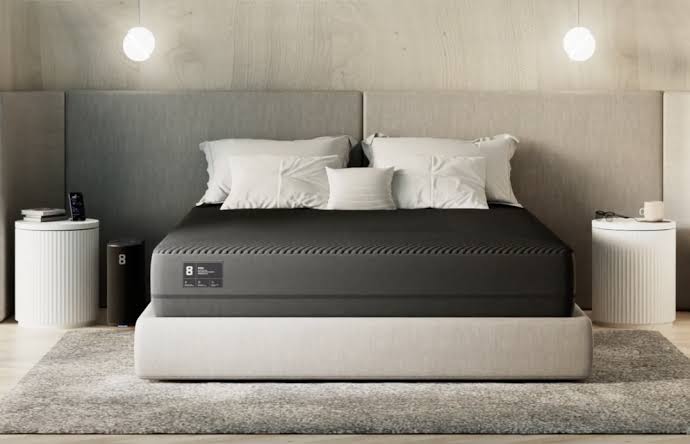
Smart mattress systems combine traditional sleeping surfaces with technology designed to support personalized comfort or collect sleep-related data.
Depending on the model, features may include temperature control, sleep tracking, app-based settings, and separate controls for different sides of the bed.
When researching these systems, compare the following factors:
- Temperature adjustment: Check the available range and control options.
- Sleep tracking: Understand which measurements are collected and how they are presented.
- Compatibility: Confirm that the system works with your mattress and bed frame.
- Setup requirements: Consider installation, power, connectivity, and maintenance.
- App functionality: Review how settings and data are managed.
- Price and warranty: Compare the total cost and available support.
Some products may require subscriptions or additional accessories for particular features. Review the terms carefully so you understand the ongoing costs before buying.
8. Consider Privacy When Using Connected Sleep Devices
Smart sleep devices may collect personal information, including sleep-related measurements, device usage, or other sensor data. Understanding how that information is handled is an important part of choosing a product.
Before purchasing, review the manufacturer’s privacy policy and look for details about data collection, storage, sharing, and deletion.
Consider these questions:
- What information does the device collect?
- Is an account required to use its main features?
- Can you control data sharing?
- How long is information stored?
- Can you delete your data if you stop using the product?
Choose a product with privacy settings that suit your comfort level. If you prefer not to share sleep data, look for devices that offer useful functions with limited data collection.
9. How to Choose the Right Smart Sleep Product
The right smart sleep product depends on your comfort preferences, budget, and reasons for exploring sleep technology.
If temperature is your main concern, a temperature-controlled mattress system may be worth researching. If you want to understand your sleep schedule, a sleep tracker may be a more affordable starting point. If your bedroom feels too bright at night, smart lighting may provide a simple improvement.
When comparing products from brands such as Eight Sleep, review the available features, product requirements, pricing, subscription terms, warranty, and customer feedback.
Avoid assuming that a more expensive or technologically advanced product will automatically deliver better sleep. Consider your current sleep environment and identify the specific problem you want to solve.
Starting with one useful change can help you determine whether additional technology is necessary.
10. Simple Ways to Improve Sleep Without Expensive Technology
Smart sleep products can offer convenience, but many important sleep habits do not require expensive equipment.
You can improve your bedroom environment and bedtime routine with a few practical steps:
- Maintain a consistent sleep and wake-up schedule.
- Keep your bedroom dark, quiet, and comfortably cool.
- Choose a mattress and pillow that suit your comfort needs.
- Reduce bright light exposure close to bedtime.
- Limit caffeine late in the day if it affects your sleep.
- Develop a relaxing routine before going to bed.
- Avoid checking sleep scores repeatedly if doing so makes you anxious.
If you regularly experience severe sleep difficulties, loud snoring with breathing interruptions, or excessive daytime sleepiness, consider speaking with a qualified healthcare professional. A consumer sleep tracker cannot replace appropriate medical evaluation.
Combining healthy habits with carefully selected technology may provide a more practical approach than relying on devices alone.
Conclusion
Smart sleep technology offers a range of tools for creating a more personalized and comfortable sleeping environment. Temperature-controlled mattress systems, sleep trackers, connected lighting, and customizable settings can help users explore ways to improve their nighttime routine.
However, technology is not a guaranteed solution to every sleep problem. The best approach is to identify your specific needs, compare products carefully, and focus on features that provide meaningful everyday benefits.
By combining suitable sleep technology with consistent habits and a comfortable bedroom, you can create an environment that supports more restful nights and better mornings.