







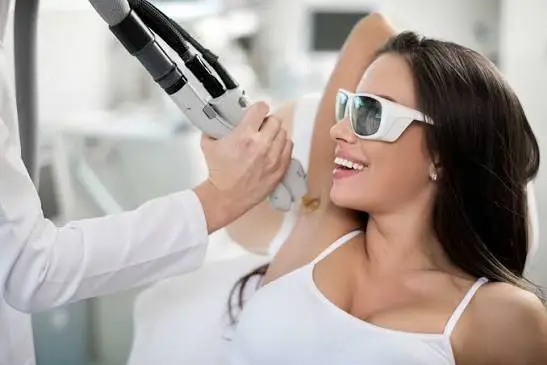
Laser hair removal is a popular treatment for people who want to reduce unwanted hair and enjoy smoother-looking skin. Different individuals have different skin tones, hair colours, and hair textures, which means a personalised approach is important when planning treatment. Laser Hair Removal Abu Dhabi focuses on using suitable laser technology and adjusting treatment settings according to individual skin characteristics and hair growth patterns.
Understanding how laser hair removal is tailored to skin tone can help individuals make informed decisions about their treatment. Modern laser technologies are designed to address different skin and hair combinations, allowing treatment plans to be adjusted according to individual requirements. From selecting an appropriate laser wavelength to determining suitable energy settings, several factors contribute to a personalised treatment experience.
Why Does Skin Tone Matter in Laser Hair Removal?
Skin tone is an important consideration when choosing laser hair removal technology. Laser treatments work by directing concentrated light towards the pigment, known as melanin, within hair follicles. The light energy is absorbed by the pigment and converted into heat, which helps target the structures responsible for hair growth.
However, melanin is also naturally present in the skin. This means that the contrast between skin pigmentation and hair pigmentation can influence how the laser energy is absorbed.
Individuals with lighter skin and darker hair often have a noticeable contrast between their skin and hair colour. This can make it easier for certain laser systems to identify the hair pigment. People with deeper skin tones may require different laser wavelengths and carefully adjusted settings to target hair follicles appropriately.
How Is Laser Technology Selected for Different Skin Tones?
Different laser technologies are designed to work with particular skin and hair characteristics. Selecting an appropriate system is an important part of creating a personalised treatment plan.
Alexandrite lasers are commonly associated with lighter skin tones because they target melanin effectively. Diode lasers offer flexibility for several skin and hair combinations, depending on the equipment and settings used. Nd lasers use a longer wavelength that penetrates deeper into the skin and is often considered for individuals with darker skin tones.
The selection process considers skin pigmentation, hair thickness, hair colour, and the treatment area. Choosing the appropriate technology helps make the treatment more targeted and suitable for individual characteristics.
How Are Laser Settings Adjusted According to Skin Tone?
Laser settings play an important role in personalising hair removal treatments. Energy levels, pulse duration, and other technical parameters may be adjusted according to the individual’s skin tone and hair characteristics.
For lighter skin tones, certain laser systems can use settings that effectively target darker hair pigment. For deeper skin tones, the treatment approach may involve longer wavelengths and carefully selected energy levels.
The objective is to deliver appropriate energy to the hair follicles while considering the surrounding skin pigmentation. Treatment settings are not identical for everyone because individual skin and hair characteristics can vary considerably.
Can Laser Hair Removal Abu Dhabi Treat Different Skin Types?
Modern laser hair removal technology offers options for individuals with a wide range of skin tones. However, suitability depends on the specific laser system, hair pigmentation, and individual skin characteristics.
People with fair, medium, olive, brown, and deeper skin tones may have different treatment requirements. A personalised assessment helps determine which technology and settings are appropriate.
Laser Hair Removal Abu Dhabi can be planned around these differences, allowing treatment parameters to reflect individual needs rather than following a standard approach for every person.
Does Hair Colour Influence Treatment Selection?
Hair colour is another important factor in laser hair removal. The treatment primarily targets melanin within the hair follicle, meaning hair pigmentation influences how effectively the laser energy can be absorbed.
Dark brown and black hair generally contain more pigment, making them suitable targets for many laser systems. Blonde, grey, white, and very light red hair may contain less of the pigment required for effective laser absorption.
Hair thickness also influences treatment planning. Coarse hair may respond differently from fine hair because the amount and distribution of pigment can vary.
Understanding both skin tone and hair colour helps determine realistic treatment expectations.
How Is the Treatment Adapted for Sensitive Areas?
Different body areas have different skin characteristics, hair density, and levels of sensitivity. Facial areas, underarms, legs, arms, and bikini areas may therefore require different treatment settings.
Facial skin can have different pigmentation and hair growth patterns compared with the skin on the legs or arms. Similarly, underarm and bikini areas may contain thicker hair follicles that require an appropriately selected treatment approach.
The laser settings and treatment technique can be adjusted according to the characteristics of each area. This individualised approach helps ensure that the treatment plan considers both skin tone and the nature of the unwanted hair.
Why Is an Individual Skin Assessment Important?
An individual assessment helps establish which laser technology is appropriate for a particular skin and hair combination.
During the assessment, factors such as natural skin tone, tanning history, hair colour, hair thickness, and the intended treatment area may be considered. These details help determine suitable treatment settings and the expected response.
Skin pigmentation can also vary across different areas of the body. Someone may have a lighter skin tone on the arms and a deeper tone around the underarms or bikini area.
Considering these variations helps create a more appropriate treatment plan for different body regions.
How Many Sessions May Be Needed for Different Skin Tones?
Laser hair removal generally requires multiple sessions because hair grows in different stages. The laser is most effective when the hair is in an appropriate active growth phase.
Not all follicles are active simultaneously, which is why several appointments are usually needed to target hair during different growth cycles.
The number of sessions may depend on hair thickness, treatment area, hormonal influences, skin characteristics, and individual hair growth patterns. Skin tone alone does not determine the total number of appointments.
A personalised schedule helps account for these differences and supports consistent treatment planning.
What Makes Personalised Laser Hair Removal Important?
Personalisation helps ensure that the treatment approach reflects the individual’s natural characteristics. Using identical settings for every person may not account for differences in pigmentation, hair density, or treatment areas.
A tailored approach considers the relationship between skin melanin and hair pigment. It also takes into account the laser wavelength, energy delivery, and individual treatment goals.
This makes skin assessment and technology selection important parts of the overall experience. Understanding these factors can help individuals develop realistic expectations about hair reduction and the treatment process.
Conclusion
Laser hair removal requires careful consideration of skin tone, hair colour, and individual treatment requirements. Different laser technologies and adjustable settings make it possible to personalise the treatment approach for various skin types.
Laser Hair Removal Abu Dhabi offers an approach focused on selecting suitable technology, evaluating skin pigmentation, and considering individual hair growth patterns. Understanding these factors helps individuals make informed decisions and develop realistic expectations about achieving smoother-looking skin through professional hair reduction treatments.
Frequently Asked Questions
Is laser hair removal suitable for different skin tones?
Yes, modern laser technologies offer options for different skin tones. The appropriate technology and settings depend on individual pigmentation, hair colour, and treatment requirements.
Why does skin tone matter during laser hair removal?
Skin tone matters because the laser interacts with melanin in both the hair and surrounding skin. Understanding pigmentation helps determine suitable laser wavelengths and treatment settings.
Which laser technology is used for darker skin tones?
Nd laser technology is commonly considered for darker skin tones because its longer wavelength allows deeper penetration and is less strongly absorbed by surface melanin.
Does hair colour affect laser hair removal results?
Yes, hair colour influences treatment response because laser technology targets pigment within hair follicles. Darker hair generally responds more effectively than very light, grey, or white hair.
Can laser settings be customised for each individual?
Yes, treatment settings can be adjusted according to skin tone, hair thickness, pigmentation, and the area being treated.
How many sessions are generally required?
Multiple sessions are generally needed because hair grows in different stages. The treatment schedule depends on individual hair growth patterns and the selected treatment area.
Can different body areas require different laser settings?
Yes, facial skin, underarms, legs, arms, and bikini areas can have different skin and hair characteristics. Treatment settings may be adjusted accordingly.
Is a skin assessment important before laser hair removal?
Yes, an individual assessment helps evaluate skin pigmentation, hair characteristics, and treatment suitability so that an appropriate laser technology and treatment plan can be selected.