







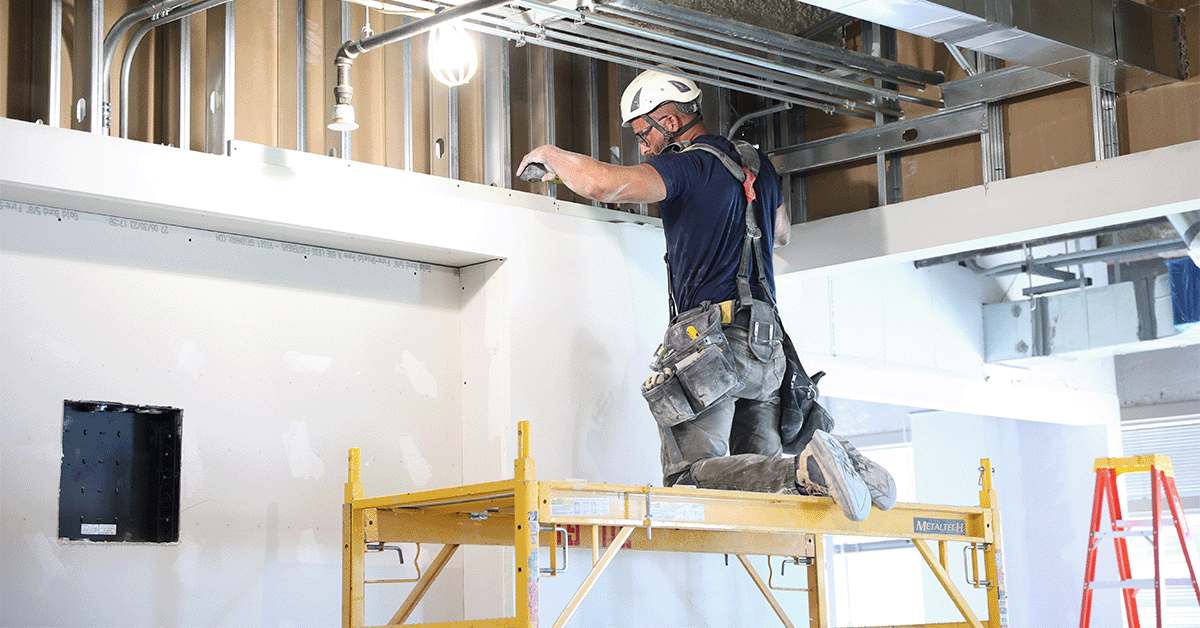
A well-designed commercial space does more than create a positive first impression. It supports daily operations, improves employee comfort, and helps businesses provide a welcoming environment for customers and visitors. Whether you are renovating an office, preparing a retail store for opening, or upgrading a commercial property, the condition of your walls and ceilings plays an important role in the finished result.
Choosing experienced Commercial Drywall Contractors Minneapolis businesses can rely on is an important step toward achieving a professional interior. Proper drywall installation, smooth finishing, and careful project planning help create durable surfaces that are ready for painting and everyday use. Century Drywall & Painting helps property owners and businesses explore drywall and painting solutions for commercial interior projects.
Why Commercial Drywall Matters for Business Properties
Drywall is widely used in commercial interiors because it creates clean wall and ceiling surfaces that can be finished to suit different architectural styles. From offices and retail spaces to other business environments, properly installed drywall contributes to an organized appearance and provides a foundation for additional interior finishes. The right installation approach also helps ensure that walls are suitable for the intended use of the space.
Commercial projects often involve more planning than a simple residential room renovation. Businesses may need to coordinate work around operating hours, tenant requirements, inspections, and other trades. Addressing these considerations early can help reduce disruptions, support a more predictable schedule, and produce a finished space that meets the project’s practical and visual goals.
How to Choose the Right Commercial Drywall Contractor
Selecting a drywall contractor involves more than comparing prices. Business owners should consider relevant project experience, communication, workmanship, scheduling, and the contractor’s ability to understand the needs of a commercial property. A contractor who explains the process clearly can help you understand what the project involves and identify potential challenges before work begins.
Before making a decision, request a detailed estimate that explains the expected scope of work, materials, finishing requirements, and any exclusions. You should also ask about project timelines, site preparation, cleanup, and coordination with painters or other trades. Comparing proposals on the basis of similar work specifications makes it easier to evaluate value rather than choosing solely on the lowest quoted price.
When comparing contractors, consider these important factors:
- Relevant experience: Ask about previous commercial drywall projects similar to yours.
- Detailed estimates: Check what labor, materials, finishing, and preparation are included.
- Project scheduling: Discuss milestones, deadlines, and any restrictions on working hours.
- Quality of finishing: Clarify the expected smoothness and appearance of completed surfaces.
- Communication: Choose a contractor who responds clearly and explains project requirements.
Understanding the Commercial Drywall Installation Process
A successful drywall project usually begins with an assessment of the site and the work required. This may include reviewing measurements, checking framing, identifying openings for doors and utilities, and confirming the appropriate materials. Proper preparation is essential because uneven framing, inaccurate measurements, or overlooked building requirements can create complications later in the project.
After preparation, drywall panels are installed and the joints are finished with suitable joint compound and tape. The surfaces may require several coats, drying time, sanding, and inspection before they are ready for primer and paint. The exact process depends on the size of the project, the required finish, site conditions, and whether additional work must be coordinated with other contractors.
Common Challenges in Commercial Drywall Projects
Commercial interiors can present challenges that require careful planning. Large wall areas, high ceilings, complex layouts, frequent foot traffic, and the presence of electrical or plumbing systems can all affect how drywall work is completed. Existing buildings may also contain damaged surfaces, uneven framing, or previous repairs that need to be addressed before new materials are installed.
Minneapolis weather can also influence construction scheduling, particularly when materials need to be delivered or stored under suitable conditions. Interior temperature and humidity should be managed according to product recommendations to support proper drying and finishing. Discussing these details with your contractor helps establish realistic expectations and reduces the risk of avoidable delays or surface defects.
The Importance of Professional Drywall Finishing
Drywall installation is only part of creating a polished commercial interior. Finishing determines how smooth and consistent the walls look once they are painted, especially under bright lighting or in spaces with large windows. Poorly finished joints, visible screw marks, ridges, or uneven surfaces may become more noticeable after paint is applied, affecting the overall appearance of the room.
The required finish level should match the space’s design and intended use. Some commercial areas need a standard finish, while feature walls or interiors with demanding lighting conditions may require more detailed surface preparation. Discussing expectations before work starts helps the contractor determine the appropriate finishing approach and gives the painting stage a stronger foundation.
Planning Your Commercial Drywall and Painting Project
Drywall and painting work are closely connected, so coordinating these stages can help create a more consistent final result. Before the project begins, identify the areas that need installation, repair, or replacement, and decide how the completed space should look. Consider paint colors, lighting, room use, and the durability requirements of different surfaces when planning the overall interior.
A clear project plan can also help businesses manage budgets and minimize disruption. Establish the order of work, confirm access arrangements, and discuss how dust, materials, and waste will be managed. If the building must remain operational during construction, ask whether the work can be divided into phases that allow essential business activities to continue where practical.
Use this checklist when preparing for a commercial project:
- Define the project scope, including walls, ceilings, repairs, and painting.
- Establish a realistic budget and discuss possible additional costs.
- Confirm the schedule and any restrictions on site access.
- Coordinate drywall installation with electrical, plumbing, and other trades.
- Select suitable finishes and paint products for the intended environment.
- Agree on cleanup expectations and a final walkthrough before completion.
Why Work With Century Drywall & Painting?
Choosing a contractor for your commercial interior project should begin with understanding your property’s needs and the results you want to achieve. Century Drywall & Painting provides a starting point for businesses seeking drywall and painting services. When discussing your project, explain the property’s size, the type of work required, your preferred schedule, and any special finishing expectations.
Clear communication helps establish the scope of work and makes it easier to evaluate the right approach for your space. Before moving forward, request information about service availability, project estimates, materials, and scheduling. You can visit the Century Drywall & Painting website to learn more about the company and contact the business regarding your commercial drywall or painting requirements.
Conclusion
Commercial drywall is an essential part of creating attractive, functional, and professional business interiors. From accurate installation and careful finishing to coordinated painting and effective scheduling, every stage contributes to the final result. Planning ahead and understanding your project’s requirements can help you make informed decisions, manage expectations, and avoid unnecessary complications.
When researching Commercial Drywall Contractors Minneapolis, compare relevant experience, detailed estimates, finishing standards, communication, and project timelines. Century Drywall & Painting is a business to consider when exploring drywall and painting services for your commercial property. With a clear plan and the right preparation, you can move toward an interior that supports your business needs and presents a professional appearance.
FAQs
1. What do commercial drywall contractors do?
Commercial drywall contractors install, repair, and finish drywall in business properties such as offices, retail spaces, and other commercial interiors. Depending on the project, their work may include framing preparation, panel installation, joint finishing, and surface preparation for painting.
2. How long does a commercial drywall project take?
The timeline depends on the project’s size, layout, material requirements, finishing level, and site conditions. Drying time, inspections, and coordination with other trades can also affect the schedule.
3. What should I ask before hiring a drywall contractor?
Ask about relevant experience, the proposed scope of work, materials, finishing standards, project timelines, cleanup, and pricing. Request a written estimate that clearly explains what is included and excluded.
4. Why is drywall finishing important before painting?
Proper finishing helps create smooth, consistent surfaces and reduces the visibility of joints, screw marks, and other imperfections. Good surface preparation also supports a more professional-looking paint finish.
5. Can drywall and painting be planned as one commercial project?
Yes. Coordinating drywall installation, finishing, priming, and painting can simplify scheduling and help create a consistent result. Confirm which services are included in the contractor’s proposal before work begins.