



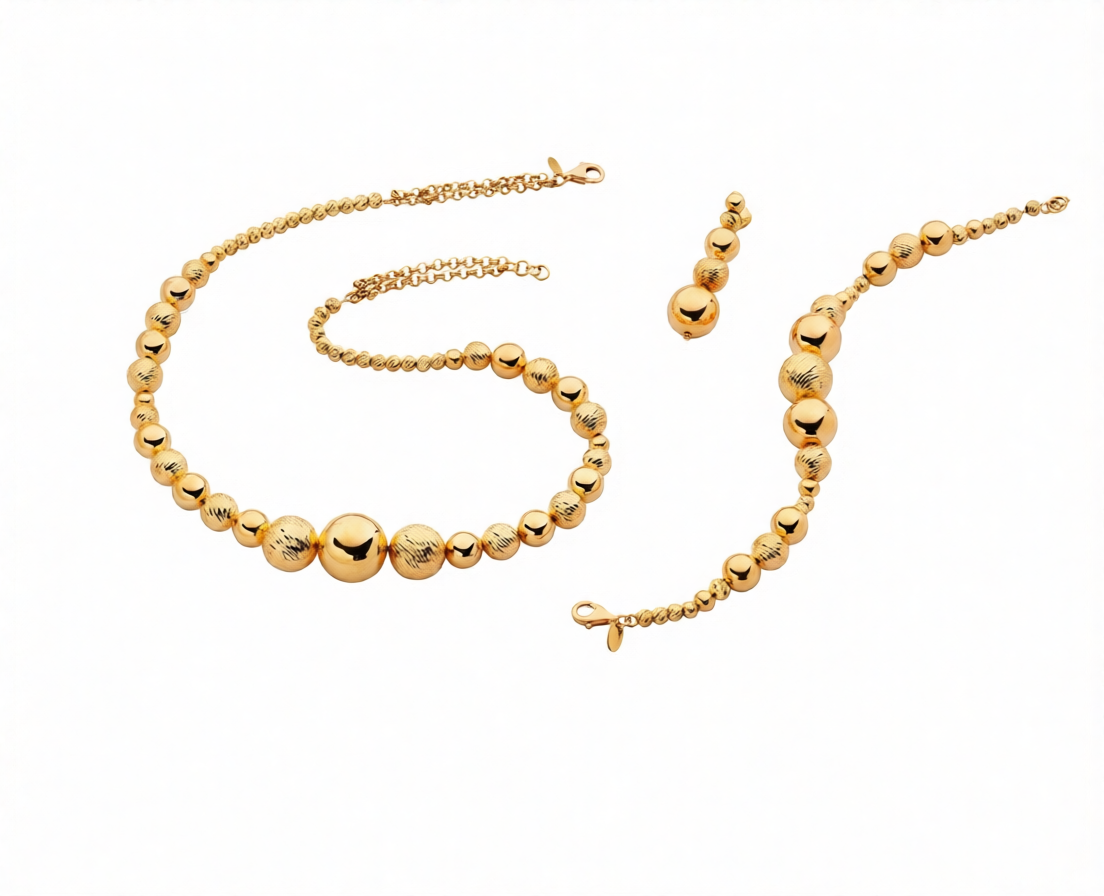
A gold necklace is a timeless jewelry piece that can complement everyday outfits, formal clothing, and special occasions. From simple chains to elegant pendants, there are many styles to consider when choosing a necklace that matches your taste. Gold Necklaces are available in different purities, colors, lengths, and designs, so understanding these differences can help you make a better purchase. Whether you want a necklace for personal use or as a thoughtful gift, knowing what to look for can help you find a piece that offers the right balance of beauty, quality, and value.
What Makes Gold Necklaces a Popular Choice?
Gold has remained a popular jewelry material for generations because of its appearance, versatility, and lasting appeal. A gold necklace can be worn alone for a simple look or paired with other jewelry for a more layered style.
Another advantage is the variety of designs available. Some people prefer delicate chains that suit everyday outfits, while others choose bold links, statement pendants, or necklaces decorated with gemstones.
Gold jewelry also comes in different colors and purity levels, giving buyers plenty of options. By considering your lifestyle and personal preferences, you can choose a necklace that fits comfortably into your jewelry collection.
What Should You Know Before Buying Gold Necklaces?
Before purchasing a necklace, it is helpful to understand the main factors that affect its appearance, durability, comfort, and price.
1. Understand Gold Purity
Gold purity indicates how much pure gold a piece contains. Because pure gold is relatively soft, it is commonly mixed with other metals to improve its strength and suitability for jewelry.
The karat rating helps identify the gold content.
- 14K gold: Contains 58.3% pure gold and is often chosen for its balance of durability, appearance, and price.
- 18K gold: Contains 75% pure gold and offers a higher gold content with a rich appearance.
- 22K gold: Contains approximately 91.7% pure gold and is common in traditional jewelry, although its softness may make it less suitable for some delicate chain designs.
For everyday use, 14K gold can be a practical option because it is generally more resistant to wear than higher-purity gold. If you prefer a higher gold content, 18K may be a better choice.
The best option depends on how frequently you plan to wear the necklace and the design you prefer.
2. Choose the Right Gold Color
Gold necklaces are available in several colors, each offering a different appearance.
Yellow gold has a classic, warm tone that works well with traditional and contemporary jewelry styles. It can be worn alone or paired with other yellow-gold pieces.
White gold has a lighter, silvery appearance that complements modern jewelry designs. Many white-gold pieces have a rhodium coating that may need refreshing over time.
Rose gold features a soft pink tone created by combining gold with copper and other alloy metals. It offers a distinctive look and pairs well with both neutral and warm colors.
When choosing a gold color, consider your existing jewelry collection, clothing preferences, and the overall look you want to achieve.
3. Select the Right Necklace Length
Necklace length influences how the piece sits on your neckline and how it works with different outfits.
Common necklace lengths include:
- 14–16 inches: Usually sits around the neck or near the collarbone, depending on the wearer.
- 18 inches: Often falls around the collarbone and is a versatile everyday option.
- 20–24 inches: Typically sits lower on the chest, making it suitable for pendants and layered styles.
- Longer necklaces: Can create an elongated appearance and work well with high-neck tops, dresses, and layered outfits.
These positions vary with neck size, body proportions, and chain design. If possible, measure a necklace you already own to see how its length suits you.
For a first purchase, an 18-inch chain is often a useful starting point, especially if you want a versatile piece for regular wear.
4. Consider the Chain Style
The chain design affects both the appearance and practicality of a necklace. Different styles offer different levels of flexibility, texture, and visual weight.
Cable chains feature simple, connected links and work well for everyday wear or lightweight pendants.
Box chains use square-shaped links to create a neat, structured appearance. They can offer a modern alternative to traditional chain designs.
Rope chains feature twisted links that resemble a rope. Their textured surface creates a noticeable look, whether worn alone or with a pendant.
Figaro chains combine links of different sizes to create a distinctive pattern. They are a popular option for people who prefer a chain with more visual character.
Singapore chains feature twisted, interlocking links that produce a reflective finish and an elegant appearance.
When selecting a chain, consider its intended use, weight, flexibility, and compatibility with any pendant you plan to add.
5. Check the Clasp and Overall Construction
A necklace should not only look attractive but also be secure and comfortable to wear.
Inspect the clasp to ensure it opens and closes properly. Lobster clasps are commonly used because they offer a secure closure, while spring-ring clasps are often found on lighter chains.
Also examine the links, soldered connections, and pendant attachments. Delicate chains may require more careful handling, while thicker designs can be better suited to certain everyday activities.
If you plan to wear the necklace frequently, choose a construction that fits your lifestyle and ask the seller about care and repair options.
How Do You Choose Between Solid Gold and Gold-Plated Necklaces?
Understanding the difference between solid gold and gold-plated jewelry is important when comparing prices and long-term value.
Solid gold jewelry is made from a gold alloy throughout the piece. It does not have a thin gold layer that can wear away to reveal a different metal underneath. Its durability depends partly on its purity, design, and construction.
Gold-plated jewelry has a base metal covered with a layer of gold. It can offer an attractive gold appearance at a lower initial cost, but the surface layer may gradually wear away with regular use.
Gold-filled jewelry is another category in which a comparatively thicker layer of gold is mechanically bonded to a base metal. Its construction differs from ordinary gold plating.
Check the product description carefully before purchasing. If long-term ownership and gold content are priorities, verify the material and any available purity markings rather than relying on appearance alone.
How Much Should You Spend on a Gold Necklace?
The price of a necklace depends on several factors, including gold purity, weight, design, craftsmanship, and any gemstones or decorative details.
A simple chain generally has a different price structure from an elaborate necklace with a detailed pendant. The amount of gold used can also significantly affect the final cost.
Before buying, compare the following details:
- Gold purity and stated metal content
- Necklace weight and chain thickness
- Craftsmanship and design complexity
- Additional gemstones or decorative elements
- Retailer reputation, warranty, and return policy
Ask whether the price includes any additional charges and review the seller’s terms before completing the purchase.
Rather than choosing solely by price, look for a necklace that matches your budget, intended use, and expectations for quality.
How Can You Style Gold Necklaces?
Gold necklaces can complement many outfits, from casual clothing to formal attire. Choosing the right design and length can help you create a balanced look.
For Everyday Wear
A delicate gold chain or a small pendant can add a subtle finishing touch to a T-shirt, blouse, or casual dress. A simple design is also easy to combine with other accessories.
For Formal Occasions
For evening events or formal clothing, consider a necklace with a distinctive pendant, a more substantial chain, or carefully selected gemstones. The design should complement the neckline of your outfit without overwhelming it.
For Layered Looks
Layering involves wearing two or more necklaces of different lengths. For example, you could pair a short chain with a medium-length pendant necklace and a longer chain.
To keep the arrangement balanced, vary the lengths and consider mixing simple chains with one more noticeable piece. You can also combine different textures while keeping the overall style consistent.
How Should You Care for a Gold Necklace?
Proper care can help maintain a necklace’s appearance and reduce unnecessary wear.
Clean suitable gold jewelry gently with lukewarm water, a small amount of mild soap, and a soft cloth. Rinse carefully and dry it thoroughly before storing it.
Avoid exposing the necklace to harsh chemicals, including chlorine and certain cleaning products. Remove it before activities that may pull, bend, or damage delicate links.
Store each piece separately to reduce scratches and tangling. If your necklace includes pearls, gemstones, coatings, or delicate components, follow care instructions specific to those materials.
For valuable or damaged jewelry, professional cleaning and inspection may be appropriate.
Frequently Asked Questions
Is 14K or 18K gold better for a necklace?
Both can be good choices. 14K gold generally offers greater hardness and durability, while 18K gold contains more pure gold. Your decision should depend on the design, intended use, and preferred gold content.
Which gold necklace length is best for everyday wear?
An 18-inch necklace is a versatile option for many people because it often sits near the collarbone. However, the best length depends on your neck size, body proportions, and preferred style.
Are solid gold necklaces worth buying?
Solid gold necklaces can be a good choice for people who want jewelry made from a consistent gold alloy throughout the piece. Value depends on the gold content, weight, craftsmanship, purchase price, and your personal preferences.
Can you wear a gold necklace every day?
Many gold necklaces can be worn regularly, but durability depends on the purity, chain thickness, clasp, and construction. Remove delicate pieces during strenuous activities and follow appropriate care instructions.
How can you tell if a gold necklace is genuine?
Check the purity markings and product documentation, buy from a reputable seller, and request details about the metal content. Hallmarks can be useful, but they are not conclusive proof on their own. Professional testing can help verify a piece when necessary.
Final Thoughts
Buying a gold necklace involves more than selecting a design you like. Gold purity, color, chain style, length, construction, and price all influence whether a piece is suitable for your needs.
By comparing these details and choosing a reputable seller, you can find a necklace that complements your personal style and fits your budget. Whether you prefer a delicate everyday chain, a pendant necklace, or a bold statement design, the right choice is one that offers the appearance, comfort, and quality you want.