





Organising a successful event involves more than selecting a venue, arranging entertainment, and welcoming guests. Whether it is a wedding, corporate gathering, music festival, or community celebration, organisers must also consider how to protect attendees, staff, performers, and property. Working with a professional security provider such as ARC Canada can help event organisers develop a practical approach to safety while maintaining a welcoming atmosphere.
A well-planned security operation allows organisers to focus on the event itself instead of constantly worrying about potential disruptions. From managing entrances to monitoring crowd movement, trained security personnel play an important role in creating an organised environment.
1. Event Security Starts Before Guests Arrive
Effective event security begins during the planning stage rather than when the first attendee enters the venue.
Every gathering has different requirements. A small private wedding may need controlled guest access and parking assistance, while a large outdoor festival may require multiple security positions, crowd monitoring, and clearly defined emergency procedures.
Before an event begins, organisers should consider:
- Expected attendance and peak arrival times.
- Venue layout and available entrances.
- Restricted areas and backstage access.
- Alcohol service and age verification requirements.
- Emergency exits and evacuation routes.
- Parking arrangements and surrounding property.
Understanding these factors helps organisers identify potential risks and determine the type of security coverage required.
2. Professional Guards Help Manage Crowds Effectively
Crowd management is one of the most important responsibilities at busy events.
Long entry queues, crowded walkways, and blocked access points can create frustration and increase safety concerns. Without proper organisation, even a well-planned event can become difficult to manage during its busiest periods.
Professional event security guards can monitor crowd movement, guide attendees, manage queues, and help maintain access to important areas.
Why Crowd Monitoring Matters
Crowd monitoring helps security teams recognise developing issues before they become serious.
For example, if too many people gather near a stage entrance or food service area, guards can help redirect movement and prevent unnecessary congestion.
Maintaining clear walkways and keeping emergency exits accessible also supports safer movement throughout the venue.
3. Controlled Entry Creates a Better Guest Experience
The entrance is often the first point where attendees interact with event staff. A disorganised entry process can create delays and negatively affect the overall experience.
Security personnel can support ticket verification, guest list checks, wristband distribution, and identification procedures where required.
A structured entry system helps organisers manage attendance while reducing the likelihood of unauthorised access.
For events with VIP guests, performers, or private sections, designated access points can provide an additional layer of organisation.
The goal is not to make guests feel uncomfortable. Instead, security procedures should be professional, consistent, and appropriate for the type of event.
4. Professional Security Helps Prevent Conflicts
Large gatherings bring together people with different expectations, backgrounds, and behaviours. Occasionally, disagreements or disruptive situations can develop.
Alcohol consumption, misunderstandings, overcrowding, and long waiting times may contribute to tensions between attendees.
Trained security personnel can observe changing behaviour, communicate with event management, and use appropriate de-escalation techniques when necessary.
For organisers planning concerts, festivals, weddings, and corporate functions, professional event security services can provide support with entrance management, crowd control, VIP areas, and incident response.
Early communication and a calm approach can help prevent minor disagreements from disrupting the wider event.
5. Protect Performers, Staff, and Restricted Areas
Guest safety is important, but event organisers must also consider the people working behind the scenes.
Performers, catering teams, technical staff, suppliers, and event coordinators may need access to areas that should remain restricted to the general public.
Backstage entrances, equipment storage rooms, control booths, and VIP sections can require additional monitoring.
Security teams can help by:
- Monitoring restricted access points.
- Checking staff and authorised personnel credentials.
- Protecting equipment and valuable property.
- Supporting safe movement between designated areas.
- Reporting suspicious activity to event management.
These measures help reduce confusion and support smoother event operations.
6. Clear Communication Improves Security Coordination
Security personnel cannot work effectively without clear communication.
Before an event begins, team members should understand their assigned positions, responsibilities, reporting procedures, and emergency contacts.
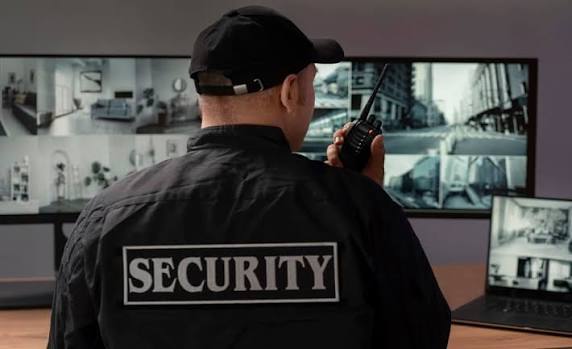
Two-way radios can help guards communicate across different areas of a venue without leaving their assigned positions.
For example, an entrance officer may notify a supervisor about a growing queue, while another team member can help redirect attendees or open an additional access point if the event plan allows it.
Clear communication also helps security personnel coordinate with venue managers, medical teams, and emergency services when necessary.
7. Security Supports a More Positive Event Atmosphere
Professional event security should be visible when necessary but should not dominate the guest experience.
Attendees generally want to enjoy an event without feeling constantly monitored. Approachable guards who provide directions, answer questions, and handle concerns professionally can contribute to a more comfortable environment.
The way security personnel interact with guests matters just as much as their ability to respond to incidents.
A friendly greeting at the entrance, helpful directions, and calm communication can make security feel like a natural part of good event management.
Conclusion
Professional event security is an important part of organising safe and successful gatherings. From managing entry points and monitoring crowds to protecting restricted areas and responding to unexpected situations, trained personnel help create a more organised environment for everyone involved.
Event organisers should consider security requirements early, choose coverage that matches the venue and attendance, and establish clear communication procedures before the event begins.
With proper preparation, security becomes more than a protective measure. It becomes part of the planning that allows guests, staff, and performers to enjoy a smoother and more positive event experience.
Frequently Asked Questions
1. Why is professional event security important?
Professional event security helps manage crowds, control access, protect attendees and property, and respond to situations that may disrupt an event.
2. How many security guards does an event need?
The number depends on attendance, venue layout, entrances, alcohol service, event duration, and the overall risk assessment.
3. When should event organisers book security services?
Organisers should arrange security as early as possible so the provider has enough time to review the venue, assess requirements, and prepare an appropriate staffing plan.