






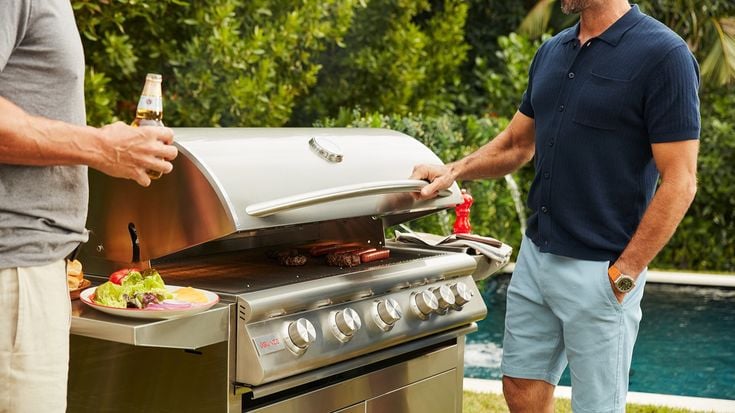
An outdoor kitchen is a fantastic way to transform your backyard into a functional, stylish, and welcoming space. Whether you enjoy weekend barbecues, family dinners, or entertaining friends, an outdoor cooking area can make every gathering more enjoyable. With modern designs, durable materials, and practical cooking equipment, homeowners can create an outdoor kitchen that combines convenience with beautiful aesthetics.
In this guide, we will explore the latest outdoor kitchen trends and share practical ideas to help you design the perfect backyard cooking space.
1. Create a Functional Outdoor Kitchen Layout
A well-planned layout is the foundation of a successful outdoor kitchen. Before purchasing appliances or furniture, consider how you will use the space and how much room you have available.
A basic outdoor kitchen may include a grill, preparation counter, storage cabinets, and a serving area. Larger spaces can accommodate a sink, refrigerator, dining table, and additional cooking appliances.
Tips for planning your layout:
- Position the grill in a well-ventilated area away from combustible materials.
- Place preparation surfaces near the cooking equipment.
- Keep enough space for guests to move around comfortably.
- Include convenient storage for utensils, cookware, and grilling accessories.
- Separate the main cooking zone from the dining and relaxation areas.
A practical layout improves efficiency and helps create a comfortable environment for cooking and entertaining.
2. Invest in a High-Quality BBQ Grill
The grill is often the centerpiece of an outdoor kitchen. Choosing the right model depends on your cooking preferences, available space, budget, and maintenance requirements.
Gas grills are popular because they offer convenient temperature control and quick startup. Charcoal grills appeal to people who enjoy traditional grilling flavors, while pellet grills provide temperature-controlled cooking for a variety of dishes.
When selecting a grill, consider cooking capacity, burner performance, construction materials, cleaning requirements, and available accessories.
If you frequently host large gatherings, a grill with a larger cooking surface may be useful. For smaller patios, a compact model can provide excellent functionality without occupying too much space.
The best grill is one that fits your lifestyle and makes outdoor cooking enjoyable.
3. Choose Durable and Weather-Resistant Materials
Outdoor kitchens must withstand changing weather conditions, including sunlight, rain, humidity, and temperature fluctuations. Choosing appropriate materials can help protect your investment and reduce maintenance.
Stainless steel is a popular option for outdoor kitchen appliances and cabinetry because it offers a modern appearance and is available in grades designed for different environments. Natural stone and suitable outdoor-rated countertops can also provide durability and visual appeal.
Other material options include concrete, porcelain surfaces, and weather-resistant cabinetry.
When selecting materials, consider the local climate, exposure to the elements, cleaning requirements, and the manufacturer’s recommendations. Protective covers and suitable storage can help extend the life of outdoor equipment.
Combining durable materials with complementary colors creates a cohesive and attractive design.
4. Add a Multi-Functional Outdoor Kitchen Island
Outdoor kitchen islands are becoming an important feature of modern backyard designs. They provide additional workspace, storage, and a convenient place for guests to gather while food is being prepared.
Depending on the available space, an island can include a built-in grill, countertop, cabinets, and bar-style seating. Some designs also incorporate a beverage refrigerator or dedicated preparation area.
For smaller backyards, a compact island with storage underneath can maximize functionality without making the space feel crowded.
Choose a countertop material suitable for outdoor use and ensure that the island design allows proper ventilation and safe appliance installation.
A thoughtfully designed island can become the central feature of your outdoor kitchen.
5. Incorporate Comfortable Outdoor Dining Areas
An outdoor kitchen becomes more inviting when it includes a comfortable dining area. Instead of serving food only indoors, you can create a dedicated space where family and friends can enjoy meals together.
Consider adding a dining table, weather-resistant chairs, and outdoor cushions made from suitable fabrics. For informal gatherings, bar stools around a kitchen island can provide additional seating.
Keep the dining area close enough to the cooking station for convenient serving, but allow sufficient space for safe movement around hot appliances.
You can also introduce an outdoor rug designed for exterior use, decorative planters, and coordinated table accessories to make the area feel like an extension of your home.
6. Bring Smart Technology into Outdoor Cooking
Technology is influencing the way people prepare food outdoors. Modern cooking equipment may include digital temperature displays, built-in thermometers, connected monitoring systems, and programmable cooking controls.
These features can help users monitor cooking temperatures and manage longer cooking sessions more conveniently.
Smart lighting and outdoor-rated entertainment systems can also improve the overall experience. For example, adjustable lighting allows you to prepare meals after sunset while creating a comfortable atmosphere for evening gatherings.
Before installing electronic equipment outdoors, make sure it is specifically rated for the intended environment and installed according to the manufacturer’s safety instructions.
Technology should simplify your cooking routine rather than make the outdoor kitchen unnecessarily complicated.
7. Design an Outdoor Kitchen with Proper Lighting
Lighting is an important part of outdoor kitchen planning, especially if you cook or entertain in the evening.
A combination of task lighting and ambient lighting can make the space both practical and attractive. Task lighting illuminates preparation counters and cooking areas, while softer lighting creates a welcoming atmosphere around seating and dining spaces.
Consider outdoor-rated fixtures above work surfaces, along pathways, and near dining areas. Avoid placing decorative lights where they could interfere with safe food preparation or distract the person operating the grill.
Choose fixtures designed for the exposure conditions of each location, and use qualified professionals for electrical installation where needed.
With a thoughtful lighting plan, your backyard kitchen can remain functional long after the sun goes down.
8. Maximize Storage and Organization
An organized outdoor kitchen makes cooking easier and keeps the area looking tidy. Without adequate storage, grilling tools, seasonings, plates, and cleaning supplies can quickly clutter the countertops.
Built-in cabinets, weather-resistant drawers, shelves, and dedicated utensil holders can help keep essential items within reach.
Store accessories according to how often you use them. Frequently needed tools should be close to the grill, while less commonly used equipment can be kept in a separate storage area.
Protect items from moisture and direct exposure when required. Not every utensil, seasoning, or cooking accessory is suitable for permanent outdoor storage.
Good organization helps you prepare meals more efficiently and spend less time searching for supplies.
9. Create a Stylish Backyard Atmosphere
A modern outdoor kitchen should complement the overall design of your home and garden. Matching colors, textures, furniture, and decorative elements can make the entire backyard feel more cohesive.
Popular design directions include minimalist layouts, natural stone finishes, warm wood accents, neutral colors, and contemporary metal details.
Plants can soften hard surfaces and introduce greenery, while pergolas or other suitable shade structures can provide visual interest and comfort. If you add a roof or enclosure, make sure the design supports proper ventilation and complies with applicable safety requirements for cooking appliances.
Choose decorations that can withstand outdoor conditions, and avoid placing flammable materials close to grills or other heat sources.
The goal is to create a space that feels attractive while remaining practical for everyday use.
10. Choose the Right Outdoor Cooking Equipment
Building an outdoor kitchen involves more than selecting a grill. The right combination of equipment depends on your cooking habits, available space, and budget.
Consider these common options:
- Gas or charcoal grill: For traditional outdoor grilling.
- Smoker: For slow-cooked foods and barbecue-style dishes.
- Pizza oven: For homemade pizza and other high-heat cooking.
- Side burner: For sauces, side dishes, and additional cooking tasks.
- Outdoor refrigerator: For convenient access to ingredients and beverages.
- Grilling accessories: Such as tongs, thermometers, grill brushes, and suitable cookware.
You do not need to purchase every appliance at once. Start with the equipment you will use most often and expand your setup as your needs change.
When researching products, compare dimensions, installation requirements, fuel type, warranty coverage, and care instructions. Resources from retailers such as BBQGuys can help you explore different categories of outdoor cooking equipment and accessories.
Careful planning helps you invest in equipment that fits your cooking style instead of spending money on features you rarely use.
11. Plan Your Budget Before Starting
An outdoor kitchen can range from a simple grill station to a fully equipped cooking and entertainment area. Establishing a budget before construction helps you prioritize essential features and avoid unnecessary expenses.
Begin by listing the items you need, such as a grill, countertop, storage, seating, and lighting. Then consider installation costs, utility connections, site preparation, weather protection, and ongoing maintenance.
If your budget is limited, start with a high-quality grill and a durable preparation surface. You can add cabinets, appliances, and decorative features later.
Remember to account for professional installation when gas, electrical, plumbing, or structural work is required. Local building codes and permit requirements may also affect the project.
A phased approach allows you to create a useful outdoor kitchen now while leaving room for future improvements.
12. Maintain Your Outdoor Kitchen for Long-Term Use
Regular maintenance helps keep your outdoor kitchen clean, safe, and ready for your next gathering. Different appliances and materials require different care routines, so always follow the manufacturer’s instructions.
Useful maintenance practices include:
- Clean grill grates and remove grease according to the appliance instructions.
- Inspect gas connections and hoses for signs of damage.
- Use suitable covers when equipment is not in use.
- Clean countertops with products recommended for their materials.
- Check cabinets, fasteners, and exposed surfaces periodically.
- Store accessories properly to protect them from moisture and dirt.
Before using your grill at the beginning of a new season, inspect it for wear and follow the manufacturer’s safety checks.
Consistent care can help preserve the appearance and functionality of your outdoor kitchen for years.
Conclusion
Outdoor kitchen trends make it easier than ever to transform a backyard into a stylish and functional cooking space. From high-quality grills and durable materials to smart technology, comfortable seating, and organized storage, the right features can improve both everyday meals and special gatherings.
The key is to design around your space, budget, and cooking habits. Start with essential equipment, choose weather-appropriate materials, and add features that make outdoor cooking more convenient.
With thoughtful planning and regular maintenance, your outdoor kitchen can become a favorite place to cook, relax, and spend time with family and friends.