






Australians buy and discard clothing at a remarkable pace, and the volume of unwanted fabric reaching landfill grows every year. Cheap, fast-moving fashion, worn-out linen, and offcuts from manufacturers all add to a stream that is difficult to manage. Natural fibres such as cotton and wool break down slowly in landfill and release methane, while synthetic fibres can persist for decades. Because of this, textile recycling in Australia has moved from a niche idea to a growing priority for councils, businesses, and households. Recovering fibres reduces waste, conserves resources, and creates new materials from items once considered rubbish. This article explains the scale of the problem, how fabrics are processed, the technology involved, and the steps that make recycling more effective.
The Scale of the Textile Waste Problem
Millions of tonnes of clothing and household fabric are discarded across the country each year, and only a small share is recovered. Charity shops resell some garments, but a large portion donated is too worn, stained, or unfashionable to sell. Mixed fibre blends add another barrier, since combinations such as polyester and cotton are difficult to separate. Industrial sources contribute as well, including hospitality linen, uniforms, mattresses, and manufacturing offcuts. Growing awareness of this problem has pushed textile recycling in Australia toward better collection systems, product stewardship ideas, and community take-back programs. Understanding where waste originates helps planners decide which materials are worth targeting first.
How Fabric Is Sorted and Processed
Recovery starts with sorting. Workers or automated systems separate items by fibre type, colour, and condition. Wearable garments are diverted for reuse, while the rest moves to material recovery. Hard items such as zips, buttons, and labels are removed because they damage equipment and contaminate output. The fabric is then shredded into smaller pieces, which can be turned into insulation, padding, rags, or industrial wipes. Some processes go further and break material back into loose fibre for spinning into new yarn. Chemical methods can dissolve certain fibres, separating polyester from cotton, although they remain costly. Each pathway has different quality outcomes, which affects what the recovered material can be used for.
Many planners now look at broader recycling solutions that combine shredding, separation, and material handling so that fabric, plastics, and other waste streams can be managed more efficiently on one site.
Technology Behind Large-Scale Recovery
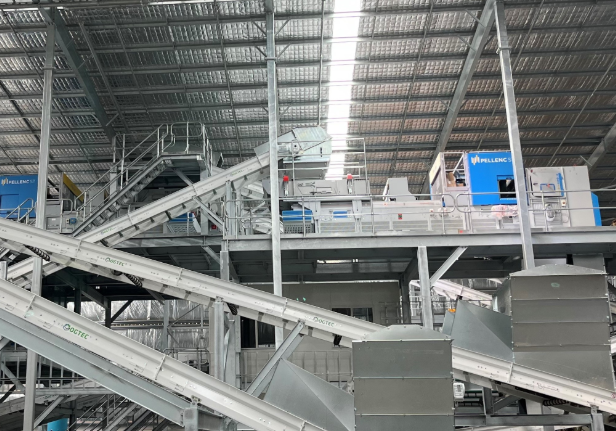
Shredding and fibre opening are the core mechanical steps, and the equipment needs to handle tough, tangled material without jamming. A purpose-built textile waste recycling machine typically uses heavy rotors, cutting blades, and screens to reduce bulky fabric to a consistent size. Conveyors, metal detectors, and magnets remove contaminants before and after shredding, protecting the blades and improving product purity. Dust extraction is also important, since fibres create airborne particles that can irritate workers and build up in motors. Throughput, energy use, and cutting design are all worth comparing when plants plan an upgrade, and operators often trial different screen sizes to suit the final product. Reliable maintenance routines keep these systems running between shifts.
Practical Steps for Businesses and Households
Households can start by sorting unwanted items into three groups: wearable, repairable, and unusable. Donate the first, mend the second, and drop the third into a textile collection point where available. Washing and drying items before donation prevents mould, which can ruin an entire bin. Businesses can audit their own waste, separate uniforms and linen at source, and arrange regular pickups. Reducing the volume that needs treatment is equally important, so choosing durable fabrics, repairing items, and buying fewer new garments all help. Wider textile recycling in Australia depends on these small, consistent habits as much as on large processing plants.
Conclusion
Meaningful progress comes when collection, sorting, and processing work together as one chain. Councils, manufacturers, and consumers each hold a piece of the puzzle, and better data on volumes and fibre types helps everyone plan. Continued investment in infrastructure and public education will lift recovery rates over time. Companies such as OGTEC are often mentioned in discussions of equipment options, which makes research easier for operators. With steady effort, textile recycling can keep valuable fibre in use and out of landfill.