




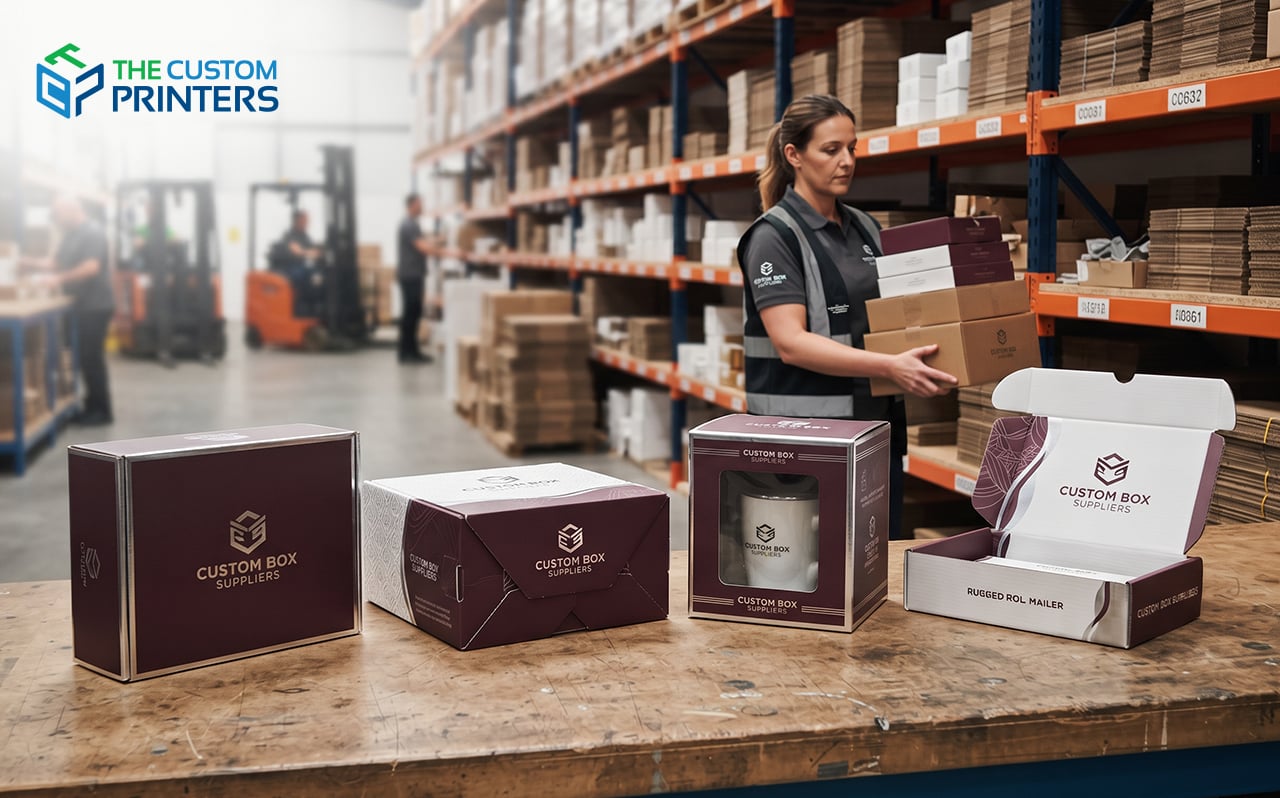
Ordering cartons from a supplier in another state or another country raises questions about time, distance, and communication. When you compare a Custom Boxes Company USA with overseas options, transit time and sample speed often matter more than the headline price. A few simple checks show how a supplier will really perform. Use them before you pay a deposit.
Map the Delivery Distance First
Write down where your stock will be stored and where your customers live. A seller shipping from one warehouse to every state has different needs from a shop that restocks once a month.
Ask each supplier for typical transit times to your address, not a general range. Check whether the quote includes delivery to a warehouse dock or only to a depot, since a missing leg can add cost and days.
Count Sample Rounds in Days, Not Weeks
Every sample round costs time. If one round takes ten days and you expect three rounds, your launch date moves by a month before production even starts.
Ask how long a sample takes to produce and how long it takes to reach you. Compare that with your calendar and add a buffer for changes. Faster samples mean more chances to fix problems early.
Time Zones and Reply Habits
A supplier several time zones away may answer in the evening or the next morning. That is manageable if both sides agree on it and frustrating if nobody does.
Send a simple test question and note how quickly and clearly it is answered. Ask who your contact will be and whether changes are confirmed in writing after each call.
Freight, Pallets, and Delivery Windows
Ask how cartons are packed for travel, how many fit on a pallet, and what the delivery appointment process looks like. Some warehouses refuse deliveries without a booked slot.
When the first delivery arrives, pull ten cartons from different layers and compare them with your approved sample. Measure and weigh a few, rub the print with a dry cloth, then a slightly damp one, and report any difference quickly.
Local Rules and Labels
Requirements for labels, recycling marks, and material claims differ by state and by product type. Ask what your supplier can document, and check the current requirements for every market you sell in. This is general information, not legal advice.
Four Details to Confirm Before You Request a Quote
Gather these so every supplier quotes the same job:
- The inner length, width, and depth of the finished item, including any insert
- The loaded weight of one filled carton
- The delivery address type and whether a dock or lift gate is available
- Your first order quantity, deadline, and reorder rhythm
Working With a Printer That Makes Samples the Starting Point
Distance feels smaller when you can hold a tested carton. At The Custom Printers, you send in your product, request samples, and run your own checks on fit, print, and strength. You review the results and adjust the size, insert, or finish before anything goes into production, so changes stay quick and inexpensive. That sample-led routine makes it easier to judge a Custom Boxes Company USA on evidence instead of promises.
A reliable supplier is clear about timing, steady in communication, and open about how samples become pallets. Map your delivery needs, count sample days, and inspect each shipment against your reference. When you are ready to compare options, The Custom Printers can help you work through the details with your own product in hand.
Luxury Cosmetic Packaging That Arrives Scuff-Free
A premium carton can look flawless at the factory and still reach the customer with scuffed corners and a dented lid. The damage usually happens in storage and transit, where nobody is watching. Planning Luxury Cosmetic Packaging around that journey protects the finish you paid for. Here is how to check each stage before you order.
Where Finish Damage Really Happens
Most marks appear when cartons rub against each other. Soft-touch coating shows pale streaks, foil can dull along edges, and gloss picks up fine scratches.
Pack five finished cartons into a spare outer box, send it across town by courier, and open it on arrival. Note which surfaces took the most wear, and photograph them.
Separate Each Carton Inside the Outer Box
Printed cartons that touch face to face can transfer marks. Ask about tissue sheets, paper sleeves, or card dividers between each unit.
Compare two versions of the outer box: one with dividers and one without. Check the same corners and flat panels on both, and keep the version where the finish looks untouched.
Corners and Edges Take the Impact
Rigid boxes fail at the corners first. Press each corner with a fingertip and look for softness, lifting paper or a visible gap in the wrap.
Drop a boxed sample from table height onto a hard floor, once on a corner and once on a flat side. Open it and look for dents in the lid or cracks along the folds.
Storage Before Launch
Finished cartons often wait weeks in a storeroom before the product is ready. Heat can soften glue, and damp air can make wrapped paper bubble.
Leave a few samples in your real storage spot for two weeks. Check the seams, the lid fit, and the finish against a sealed reference carton kept in a drawer.
Keep a Reference Sample
Once you approve a sample, record the board thickness, the dimensions, the finish, and the insert style. Photograph the front, the edges and the inside.
Ask the supplier to hold an approved copy too. A shared reference gives you something concrete to compare against when a delivery arrives.
Labels and Claims
Rules for ingredient lists, claims and labeling differ by region, so check the current requirements for each market you sell in. This is general information, not legal advice.
Four Details to Confirm Before You Request a Quote
Have these ready so the quote reflects your real product:
- The height, width, and weight of the filled item, including any cap or pump
- The finishes you want, such as foil, embossing, or soft-touch coating
- The outer carton style you plan to ship in, with any dividers
- Your first order quantity and the date you need stock on hand
Working With a Printer That Ships Test Cartons Before Production
A premium finish has to be judged after a real journey, not only on a desk. At The Custom Printers, you send in your bottles, jars, or tubes, request samples, and test them through your own storage and shipping routine. You review the fit, the finish, and the condition on arrival before anything goes into production, so adjustments stay small and affordable. That sample-led routine makes choosing luxury cosmetic packaging far less of a gamble for growing beauty brands.
A refined carton earns trust only if it arrives looking the way it was approved. Test the journey, protect the corners, and keep photos of every sample round. When you are ready to compare options, The Custom Printers can help you work through each detail with your own products in hand.